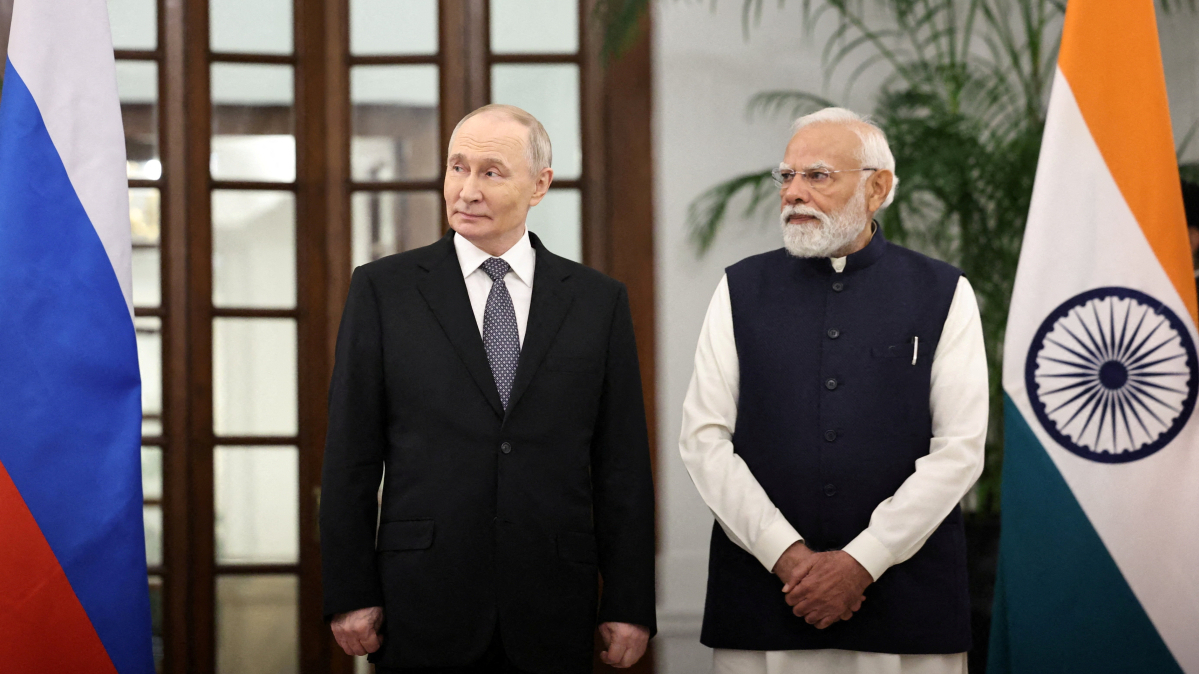
Two months after Indian negotiators worked in January to secure relief from punitive U.S. tariffs on the country’s exports and New Delhi moved to cut back its purchases of Russian crude oil, India and Russia are stepping up their energy ties once again, according to Reuters.
According to the news agency citing two sources familiar with the matter, both sides have agreed to prepare for the resumption of direct Russian liquefied natural gas (LNG) sales to India for the first time since the start of the Ukraine war. One of the sources said that if India chooses to proceed, despite the risk of breaching Western sanctions, negotiations could be wrapped up within weeks.
The two countries reached a “verbal agreement” to pursue LNG negotiations during a 19 March meeting in Delhi between Russian Deputy Energy Minister Pavel Sorokin and India’s Petroleum and Natural Gas Minister Hardeep Singh Puri, the sources said.
During the same meeting, the two sides also agreed to expand crude oil trade. The report said that three people familiar with the deliberations said that Russian oil could rise sharply from January levels to account for at least 40% of India’s total imports within about a month, potentially doubling its current share.
The previously unreported discussions come against the backdrop of soaring global energy prices triggered by the U.S.-Israeli attack on Iran.
India had emerged as a key buyer of discounted Russian crude following Moscow’s invasion of Ukraine, a relationship that became a sticking point with the Trump administration. Last year alone, India, the world’s third-largest oil importer and consumer, bought nearly $44 billion worth of crude from Russia, helping sustain the Kremlin’s wartime economy.
India has instructed its energy importers to prepare for a resumption of Russian LNG purchases, one of the sources said. New Delhi has also approached Washington to explore the possibility of a sanctions waiver, according to that source and another person familiar with the request.
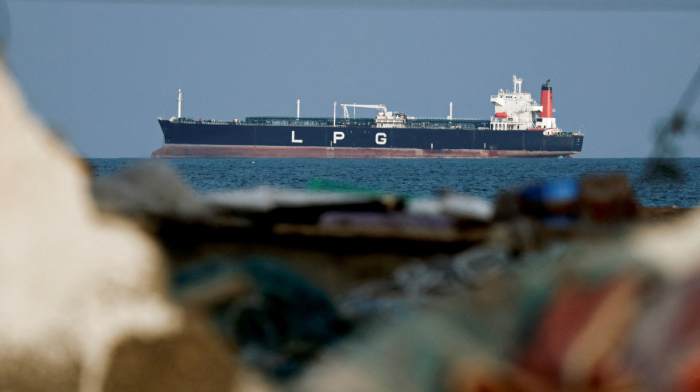
India’s external affairs and petroleum ministries did not respond to requests for comment on the potential LNG deal. However, Foreign Ministry Spokesperson Randhir Jaiswal said last week that India is in talks with multiple countries to secure energy supplies, including LNG. Indian officials have also confirmed continued purchases of Russian liquefied petroleum gas (LPG), which is mainly used for cooking and is not subject to sanctions.
Russia’s energy ministry declined to comment on any discussions with India, while the U.S. Treasury Department did not address questions about possible sanctions relief.
The White House and Ukraine’s embassy in Delhi also did not respond to requests for comment.
“India chose the course that best served its national interests, anchored in a long-standing and trusted partnership with Russia,” said Ajai Malhotra, a former Indian ambassador to Moscow.
Delhi should now “demand exemptions or accommodations as a normal part of negotiation between strategic partners,” he added, referring to Washington.
India's compounding pressures
India has long been courted by Washington as a strategic counterweight to China. But they have been hit twice in less than a year by decisions largely originating in the United States.
After years of benefiting from discounted Russian crude, India sharply reduced imports in August following Trump’s decision to impose tariffs of up to 50% on Indian goods, among the steepest levied on any country. The U.S. Supreme Court has since ruled that the tariffs were enacted unlawfully.
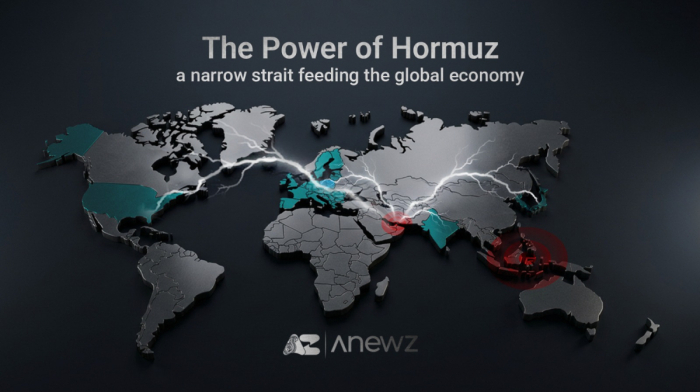
The situation shifted dramatically again after the U.S. and Israel launched attacks on Iran on 28 February. Tehran retaliated by targeting shipping in the Strait of Hormuz, effectively disrupting a vital corridor through which roughly half of India’s crude oil and LNG supplies pass.
The fallout has been immediate. Long queues have formed outside petrol stations in parts of India, while some restaurants have run short of cooking gas supplies.
As a result, demand has surged across Asia for Russian energy exports, which can bypass the Gulf when shipped to regional buyers.
Indian state-owned refiners began placing additional orders for Russian crude even before Washington announced a temporary waiver on 5 March, allowing limited purchases of sanctioned cargo. As global oil prices continued to climb, the U.S. moved to further ease restrictions.
Within India, some policymakers have privately expressed regret over the earlier reduction in Russian imports. A government document seen by Reuters noted that “India had reduced purchases of discounted Russian crude, which would have buffered the situation to an extent.”
The 20 March briefing to the cabinet secretariat, warned that a prolonged disruption in Middle Eastern oil flows could trigger a cascade of economic challenges, “leading to higher inflation, a weaker currency and rising foreign debt.”
It is projected that export growth could slow by between 2% and 4%, while wholesale inflation could rise by 0.3% to 0.7%.
Renewed partnership
Russia, which has maintained close relations with India since the Cold War, is now seeking to capitalise on the moment.
Any new LNG deal is likely to come on less favourable terms for India compared with the 20-year supply agreement signed in 2012 between India’s GAIL and Russia’s Gazprom, one source said. “It is now a seller’s market,” the person added.
Beyond hydrocarbons, cooperation could expand into infrastructure. Executives from Russian state power grid operator Rosseti, who attended an industry summit in Delhi this month, proposed collaborating with Indian counterparts on electricity transmission projects, particularly in mountainous and remote regions, one source said.
If realised, such cooperation would mark Russia’s entry into India’s power transmission sector.
Moscow is also looking to strengthen transport links. Timofei Titarenko, an executive at St. Petersburg’s Pulkovo Airport, said he has been visiting Indian airports to explore the possibility of increasing direct flights between the two countries.
Economic ties are also deepening in financial terms. Speaking at a conference on Indo-Russian relations this week, Russia’s Foreign Minister Sergei Lavrov said that 96% of bilateral trade is now conducted in rupees and roubles.
“The time-tested Russian-Indian friendship serves as an example of how interstate relations should and can be built based on equality, mutual trust and respect, and consideration of each other's interests,” he said.
At a separate conference in Mumbai in March, a senior executive at the Indian unit of Russian lender Sberbank said rupee-rouble transactions of up to $1 billion can now be completed within a day, more than twice as fast as just a few years ago.
Delicate balancing Act
India’s renewed turn to Russian energy highlights a difficult trade-off between securing affordable fuel and maintaining ties with the United States. While Washington sees Delhi as a key strategic partner, India has defended its continued engagement with Moscow as essential to protecting its economy.
With disruptions in the Strait of Hormuz exposing supply risks, Russian energy offers both logistical and price advantages. However, India is expected to keep seeking U.S. waivers, reflecting its broader strategy of balancing relationships while prioritising energy security.

















What is your opinion on this topic?
Leave the first comment