Former rapper turned politician Balendra Shah, was sworn in as Nepal’s prime minister on Friday, becoming the youngest leader in decades and the first Madhesi - from the southern plains bordering India - to hold the country’s top office.
Shah, 35, rose to power after his three-year-old Rastriya Swatantra Party (RSP) secured a sweeping victory in the 5 March parliamentary election, winning 182 out of 275 seats.
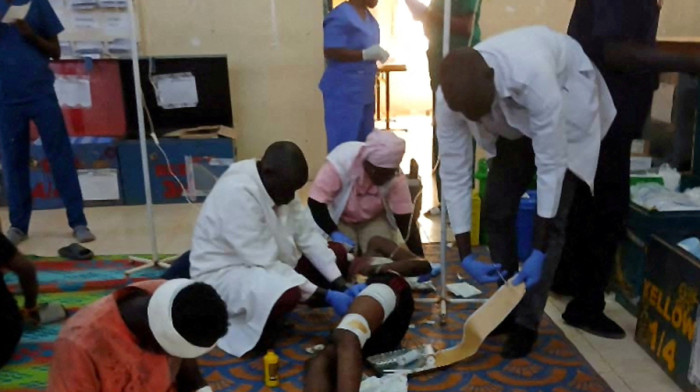
His landslide win follows youth-led anti-corruption protests that rocked the Himalayan nation last year in September, leaving 76 people dead, according to officials, and highlighted deep public frustration over unemployment and poor governance.
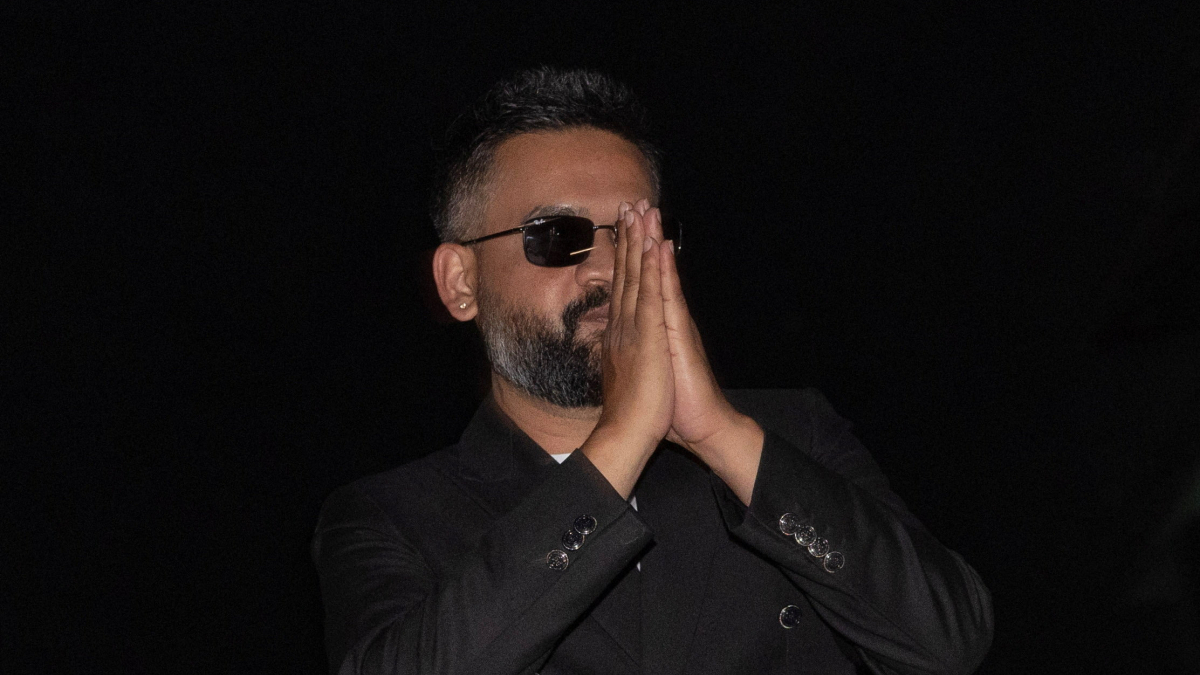
A former mayor of Kathmandu, Shah took the oath of office at the President’s House in a ceremony attended by senior officials and diplomats. Known for his unconventional style, he wore his signature black Nepali cloth cap, sunglasses, and a tailored jacket and trousers.
Shah now leads a country of around 30 million people that sits strategically between regional powers India and China, and faces mounting economic and political challenges. About a fifth of Nepal’s population lives in poverty, while an estimated 1,500 people leave the country each day in search of work abroad.
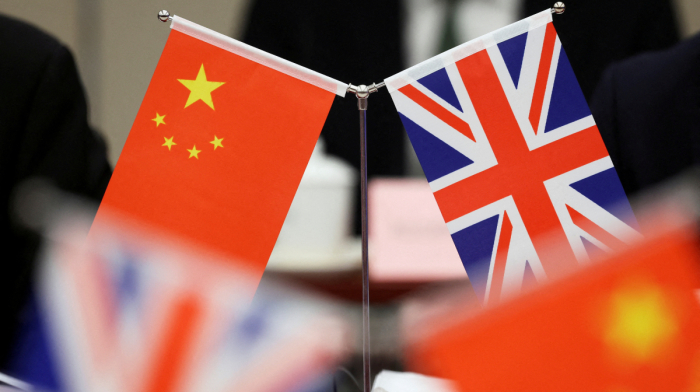
China was among the first countries to respond to Shah’s appointment, offering its congratulations and pledging support. A spokesperson for the Chinese foreign ministry said Beijing would back Nepal in safeguarding its independence, sovereignty, and territorial integrity, underlining the importance of ties between the two neighbours.
Political analysts say Shah faces immediate pressure to deliver results. “The first test of the new government lies in transparent and prompt delivery of services to people, who expect early signs of good governance from Sunday itself,” said analyst Puranjan Acharya.
One of Shah’s early challenges will be addressing the aftermath of last year’s protests. A government panel has recommended prosecuting those responsible for the violent crackdown, including former Prime Minister K.P. Sharma Oli, a move closely watched by victims’ families and civil society groups.
Nepal has long struggled with political instability, with 32 governments since 1990 failing to complete a full five-year term. Shah’s decisive mandate marks a clear break from traditional parties. The Nepali Congress secured just 38 seats in the election, while Oli’s Communist Party of Nepal (Unified Marxist-Leninist) won 25.
With a strong popular mandate and backing from a younger generation eager for change, Shah now faces the task of stabilising governance, boosting economic opportunities, and restoring public trust in politics. His leadership is widely seen as a test of whether a new generation can deliver lasting reform in a country long hindered by corruption and political uncertainty.










What is your opinion on this topic?
Leave the first comment