Palestinians enter Egypt from Gaza for medical treatment
A second group of Palestinians receiving medical treatment arrived in Egypt from Gaza via the Rafah border crossing on Tuesday (3 February)....
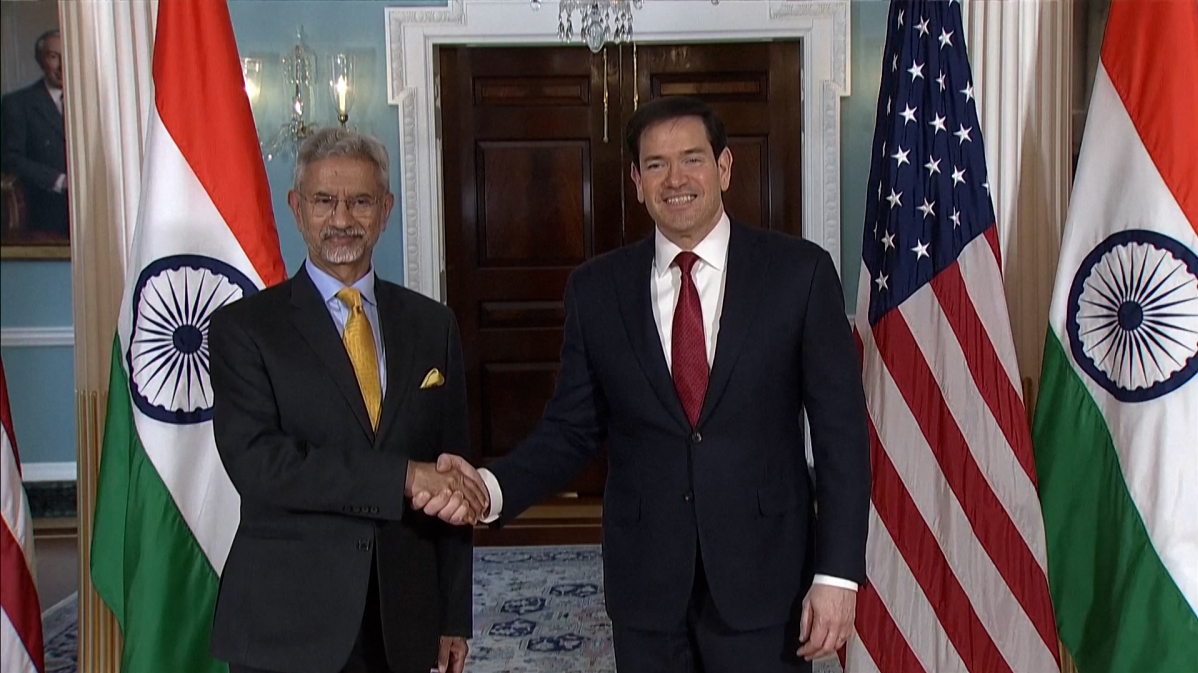
U.S. Secretary of State Marco Rubio met on Tuesday (February 3) with Indian Foreign Minister Subrahmanyam Jaishankar one day after the U.S. and India signed a trade deal.
The meeting followed an announcement by U.S. President Donald Trump that the agreement would reduce tariffs to 18% from 50% in exchange for India halting Russian oil purchases and easing trade barriers.
Trump said the deal also increased Indian imports of U.S. energy, coal, technology and agricultural products, describing it as the first stage of a broader agreement to be negotiated later.
According to the U.S. State Department, Rubio and Jaishankar discussed formalising cooperation on the exploration, mining and processing of critical minerals.
The talks were held ahead of the inaugural Critical Minerals Ministerial, which Rubio is set to host at the State Department on Wednesday (4 February).
Delegations from more than 50 countries are expected to attend, with the aim of strengthening and diversifying global critical minerals supply chains.
During the meeting, both officials welcomed the trade agreement reached between Trump and Indian Prime Minister Narendra Modi.
They underscored the importance of working together to unlock new economic opportunities and advance shared energy security goals, according to the State Department.
Rubio and Jaishankar also reaffirmed their commitment to expanding cooperation through the Quad grouping — comprising the United States, Japan, Australia and India, and noted that a stable and prosperous Indo-Pacific region remains central to their shared interests.

Talks with the U.S. should be pursued to secure national interests as long as "threats and unreasonable expectations" are avoided, President Masoud Pezeshkian posted on X on Tuesday (3 February).
Cuba’s Deputy Foreign Minister Carlos Fernández de Cossío has denied that Havana and Washington have entered formal negotiations, countering recent assertions by U.S. President Donald Trump, while saying the island is open to dialogue under certain conditions.
Mexico said it will stop sending oil to Cuba as U.S. President Donald Trump ramped up pressure on the Caribbean nation.
Iranian media outlets have backtracked on claims President Masoud Pezeshkian ordered a return to nuclear talks with the United States, fuelling fresh uncertainty over the state of diplomacy between the two rivals.
Web Summit Qatar 2026 opened in Doha on Sunday, drawing tens of thousands of founders, investors, policymakers and technology leaders to what organisers describe as one of the region’s largest digital economy gatherings.
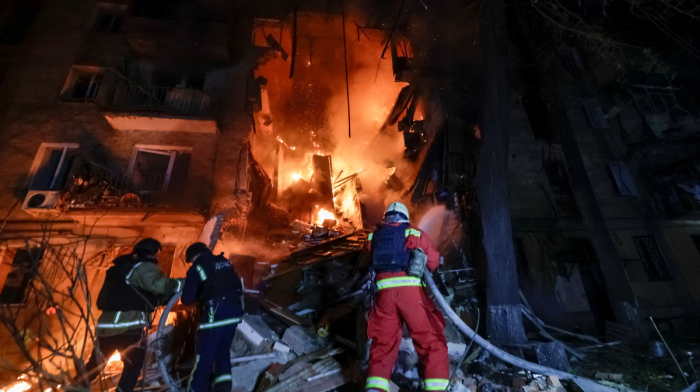
British Prime Minister Keir Starmer spoke to U.S. President Donald Trump on Tuesday and discussed the situation in Ukraine, including the overnight Russian attacks on the country, the UK government said.
U.S. President Donald Trump on Tuesday (3 February) signed a spending deal into law that ends a partial U.S. government shutdown and gives lawmakers time to negotiate potential limits on his immigration crackdown.
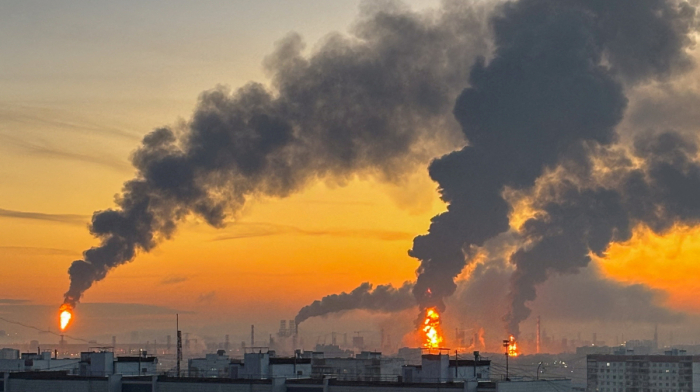
Ukrainian President Volodymyr Zelenskyy accused Russia on Tuesday (3 February) of exploiting a U.S.-backed energy truce to stockpile weapons and launch large-scale drone and missile attacks on Ukraine ahead of peace talks.
Spain and Greece have moved toward banning teenagers from social media as European governments reassess the risks digital platforms pose to children.
NATO Secretary General Mark Rutte on Tuesday inspected a thermal power plant in Kyiv that was damaged during overnight Russian attacks, as Ukraine accused Moscow of exploiting an energy truce to intensify its military campaign.
You can download the AnewZ application from Play Store and the App Store.
What is your opinion on this topic?
Leave the first comment