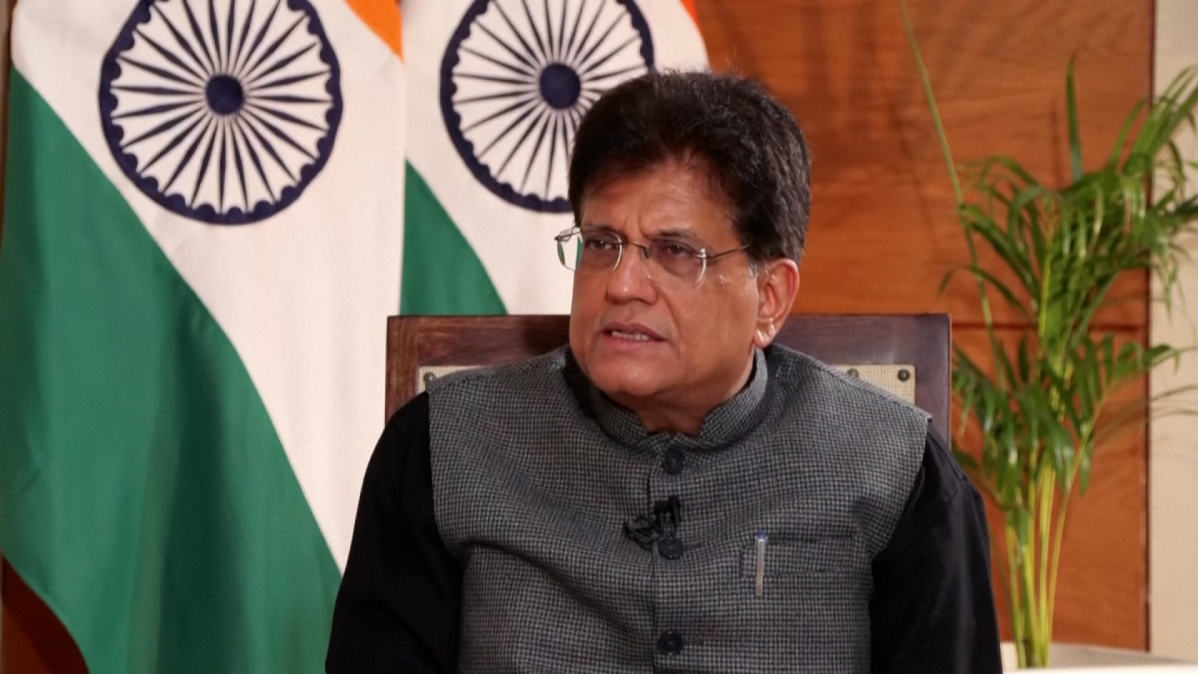
India’s trade minister said diversifying energy imports and expanding purchases of advanced technology from the United States would serve New Delhi’s strategic interests, as the two countries move closer to finalising a long-awaited trade agreement.
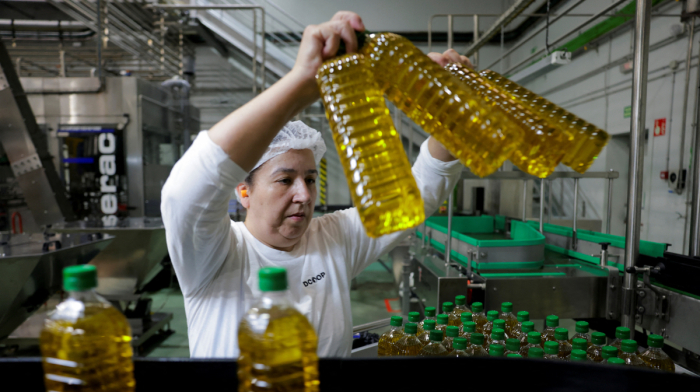
Speaking on Sunday, Indian Trade Minister Piyush Goyal said buying crude oil, liquefied natural gas (LNG) and liquefied petroleum gas (LPG) from the United States helps India reduce dependence on limited suppliers, while stressing that sourcing decisions are made independently by energy companies.
Goyal said trade agreements do not dictate who buys what, but instead aim to ensure smoother trade flows and preferential access.
India and the United States took a step toward a trade pact on Friday after releasing an interim framework designed to lower tariffs, reshape energy ties and deepen economic cooperation, as both countries seek to realign global supply chains.
The joint statement did not explicitly reference Russian oil. However, U.S. President Donald Trump rescinded a 25% tariff on Indian goods that had been imposed over New Delhi’s purchases of Russian crude, saying India had committed to stopping direct or indirect imports from Russia. India has not formally announced any decision to halt such imports.
India emerged as the largest buyer of discounted Russian seaborne crude following Russia’s invasion of Ukraine in 2022.
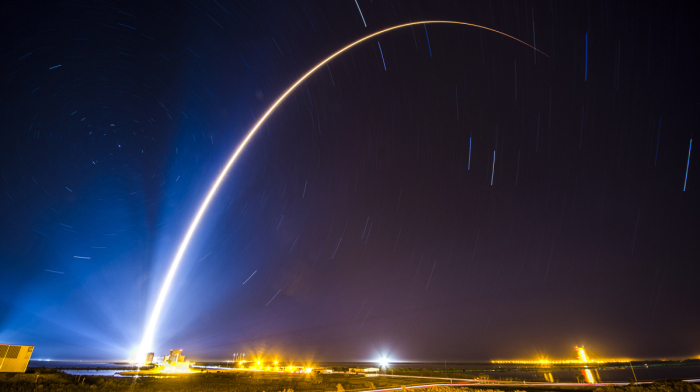
Goyal also highlighted India’s growing demand for U.S. technology products, saying the country expects to require between $80 billion and $100 billion in civil aviation-related goods alone, alongside rapidly rising energy consumption.
He said India’s push into data centres, artificial intelligence (AI) and quantum computing would require massive volumes of information and communication technology products. India currently imports around $300 billion worth of such products annually, a figure expected to rise sharply.
Over the next five years, India estimates it will need up to $2 trillion worth of technology-related imports, with the United States well positioned to supply high-quality products at competitive prices, Goyal said.
Under the interim framework, India has agreed to purchase $500 billion worth of U.S. goods over five years, including advanced technology products such as graphics processing units used in AI applications and equipment for data centres.



















What is your opinion on this topic?
Leave the first comment