live Iran reopens Hormuz Strait, demands end to U.S. naval blockade- Saturday 18 April
Iran temporarily reopened the Strait of Hormuz on Friday (17 April) following a ceasefire agreement in Lebanon, ra...
Iran has rejected a U.S. proposal to end the war, insisting any ceasefire will occur only on its own terms and timeline, according to a senior political-security official speaking to state-run Press TV on Wednesday.
The official said Tehran had dismissed the U.S. initiative, stressing that an end to what it described as an “imposed war” would depend solely on conditions set by the Islamic Republic.
Iran has instead presented its own framework for ending the conflict, outlining five key conditions. These include a complete halt to what it called “aggression and assassinations.”
Tehran also demanded the establishment of concrete mechanisms to prevent the war from being reimposed, alongside clearly defined and guaranteed payments of damages and reparations.
Further conditions include ending hostilities across all fronts and among all “resistance groups” operating throughout the region.
The official additionally emphasised the need for international recognition and guarantees of Iran’s sovereign right to exercise authority over the Strait of Hormuz.
The U.S. had earlier submitted a 15-point plan aimed at resolving the conflict, according to a report published on Tuesday.
The New York Times, citing two officials briefed on the diplomacy, said the proposal was delivered via Pakistan and outlined steps addressing Iran’s nuclear and ballistic missile programmes, as well as maritime security in the Strait of Hormuz.
The U.S. and Israel have been carrying out airstrikes on Iran since 28 February, reportedly killing more than 1,340 people, including then Supreme Leader Ayatollah Ali Khamenei.
Iran has responded with drone and missile strikes targeting Israel, as well as Jordan, Iraq and Gulf states hosting U.S. military assets, causing casualties, damaging infrastructure and disrupting global markets and aviation.

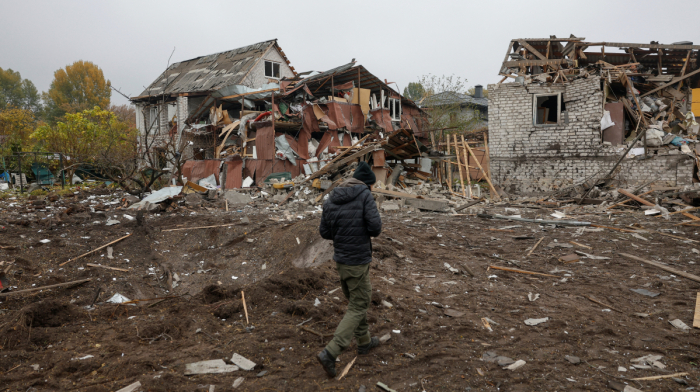
The past 24 hours of the Russia-Ukraine war have seen a drastic escalation in both aerial bombardment and frontline losses.
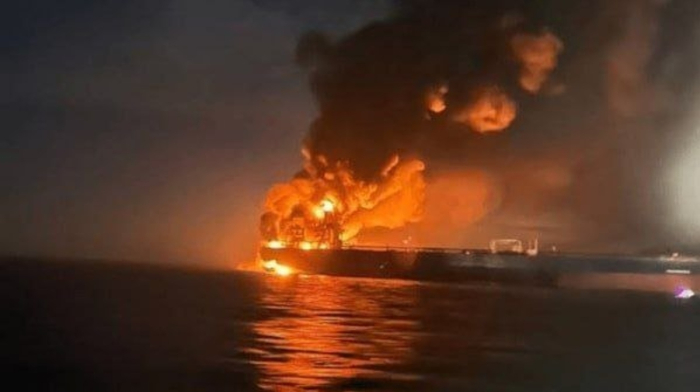
Iran reopened the Strait of Hormuz to commercial shipping on Friday (17 April) for the first time since the U.S. and Israel killed Iran's ex-Supreme Leader in air strikes, triggering the Middle East conflict, at the end of February. A U.S. blockade on Iranian ports, however, remains in force.
Russia published addresses of manufacturers allegedly producing drones or components for Ukraine on Wednesday (15 April), warning European countries against plans to step up UAV supplies to Kyiv.
Netflix shares fell sharply on Friday after the streaming group issued a weaker-than-expected outlook and said chairman and co-founder Reed Hastings will step down from the board.
U.S. President Donald Trump says Israeli and Lebanese leaders have agreed to a 10-day ceasefire that includes Hezbollah, raising cautious hopes of a pause in hostilities after weeks of escalating tensions.
Syrian President Ahmed al-Sharaa has said his country could provide a “safe corridor” and “alternative route” for regional energy shipments, as supply disruptions continue to affect the wider Middle East.
An average of at least 47 women and girls were killed each day during the war in Gaza, according to new figures released by UN Women.
China is seeking to strengthen and upgrade its cooperation with Turkmenistan, focusing on what officials describe as “high-quality development” across a range of sectors.
Kazakhstan plans to boost trade with Afghanistan from $500 million to $3 billion, backed by infrastructure and transit projects designed to strengthen regional connectivity and improve access to global markets.
A low-profile diplomatic visit to Tbilisi may prove more consequential than it first appears, as representatives of France, Germany and Poland meet figures across Georgia’s political spectrum, signalling that Brussels is watching closely ahead of a key EU foreign ministers’ meeting.
You can download the AnewZ application from Play Store and the App Store.
What is your opinion on this topic?
Leave the first comment