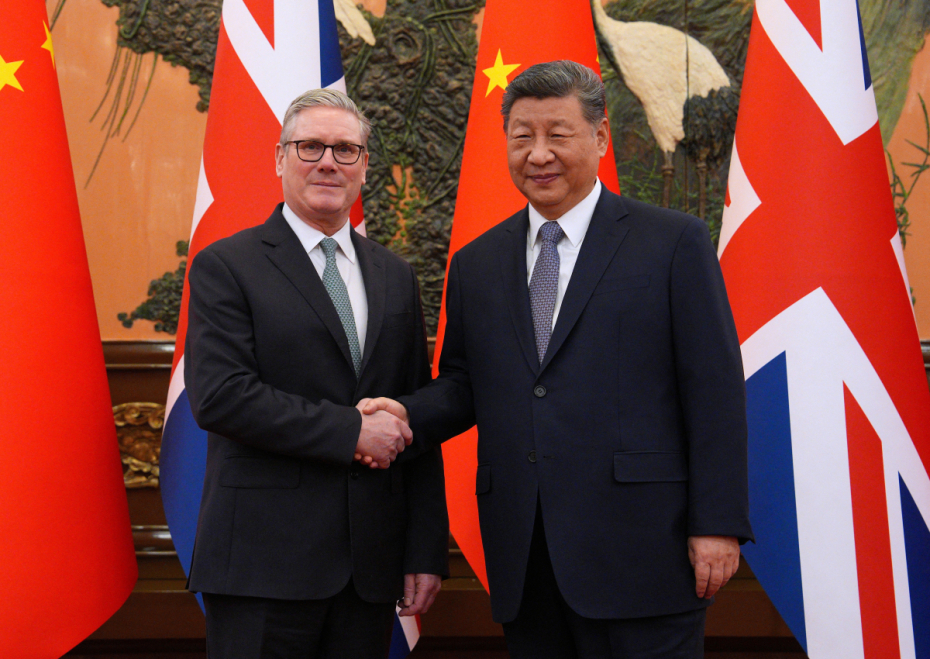
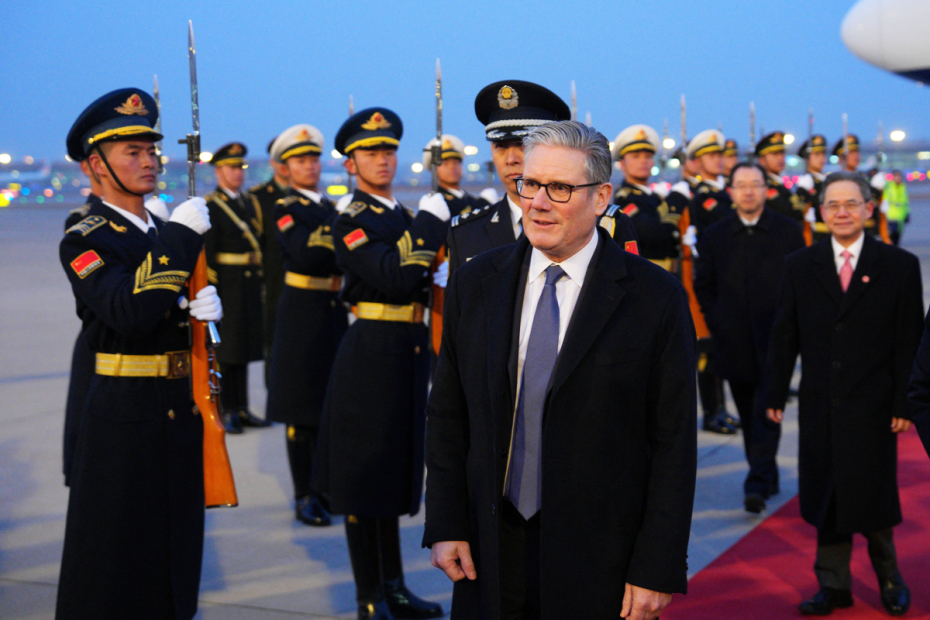
China agreed to relax rules to allow some visa-free travel for British citizens on Thursday (29 January) during a visit by UK Prime Minister Keir Starmer to Beijing. It's part of a partnership deal which Westminster hopes will help expand its service sector.
British citizens will be allowed to visit China without a visa if they are travelling for under 30 days, Starmer said following his talks with President Xi Jinping, in what he cast as a win for business.
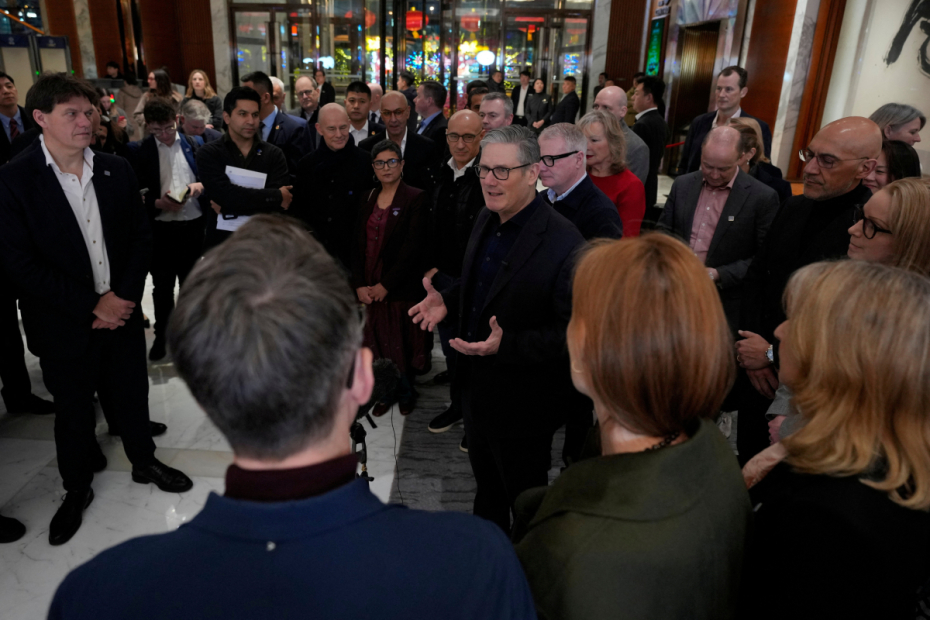
Companies had been "crying out for ways to grow their footprints in China", a statement from Starmer said, adding that visa-free travel would help facilitate expansion in that market, boosting jobs at home.
Injecting growth into Britain's relatively sluggish economy is one of the main aims of his four-day trip.
New partnership and business focus
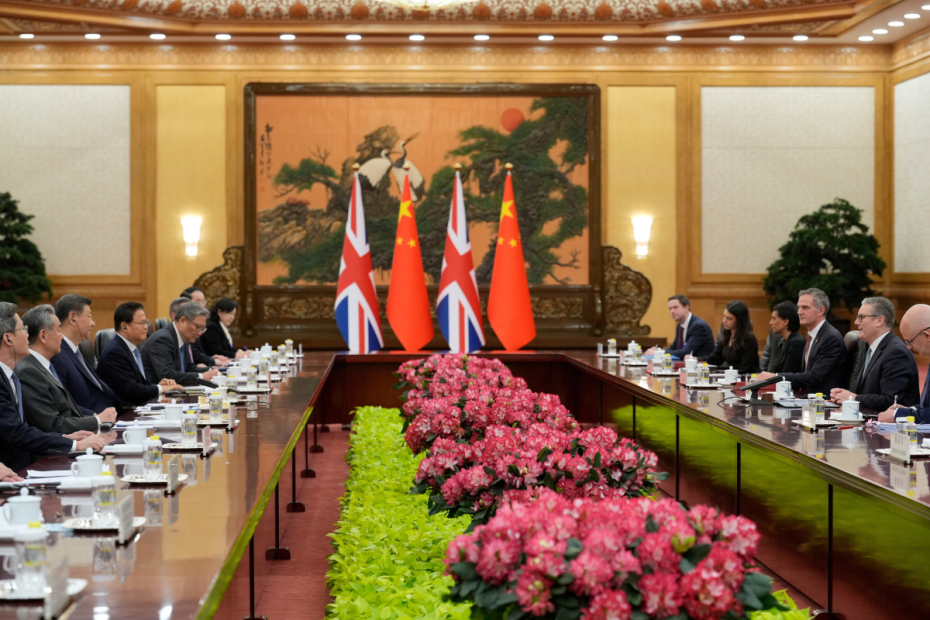
As part of what the UK called a “new partnership,” the two countries also agreed to conduct a feasibility study that could pave the way for a bilateral services agreement, aimed at easing market access for British firms.
Starmer pointed to a $15 billion investment by AstraZeneca in its Chinese operations as an example of the economic benefits closer ties could bring to both countries.
However, he said the renewed engagement would also allow for “frank dialogue” where differences arise.
“China is a vital player on the global stage and it is vital that we build a more sophisticated relationship,” Starmer told Xi at the start of their meeting.
Xi said ties between the two countries had gone through “twists and turns” that did not serve either side’s interests and that China was ready to develop a long-term partnership.
Strategic backdrop and global uncertainty
Starmer is the latest Western leader to visit China as countries hedge against the unpredictability of U.S. President Donald Trump. The talks also covered security issues, Russia’s war in Ukraine and human rights.
Starmer’s visit comes amid Trump’s on-off threats of trade tariffs and remarks about Greenland, which have unsettled long-standing U.S. allies.
He follows in the footsteps of Canadian Prime Minister Mark Carney, who this month signed an economic deal with Beijing to tear down trade barriers, drawing Trump's ire.
Security, migration and sensitive issues
Starmer said Britain and China would work together to tackle gangs involved in migrant smuggling, including efforts to reduce the use of Chinese-made engines in small boats used to cross the English Channel.
British and Chinese officials will share intelligence to identify supply routes and work with manufacturers to prevent legitimate businesses from being exploited by organised crime, Downing Street said.
Starmer also said he raised the case of jailed British citizen and former Hong Kong media tycoon Jimmy Lai in what he described as a “respectful discussion” with Xi.
Balancing engagement with caution
Relations between Britain and China had deteriorated under previous Conservative governments, with London restricting some Chinese investment over national security concerns and criticising Beijing’s actions in Hong Kong.
Starmer said his government is pursuing a more pragmatic approach. “I made the promise 18 months ago when we were elected into government that I would make Britain face outwards again,” he said.
At the same time, TikTok remains banned from British government devices, the removal of Huawei equipment from UK 5G networks is scheduled to take place by 2027, and the purchase of new Huawei kit has been restricted, amid cited security risks.
Espionage concerns and political scrutiny remain, even as Britain recently approved plans for a new Chinese embassy in London.
















What is your opinion on this topic?
Leave the first comment