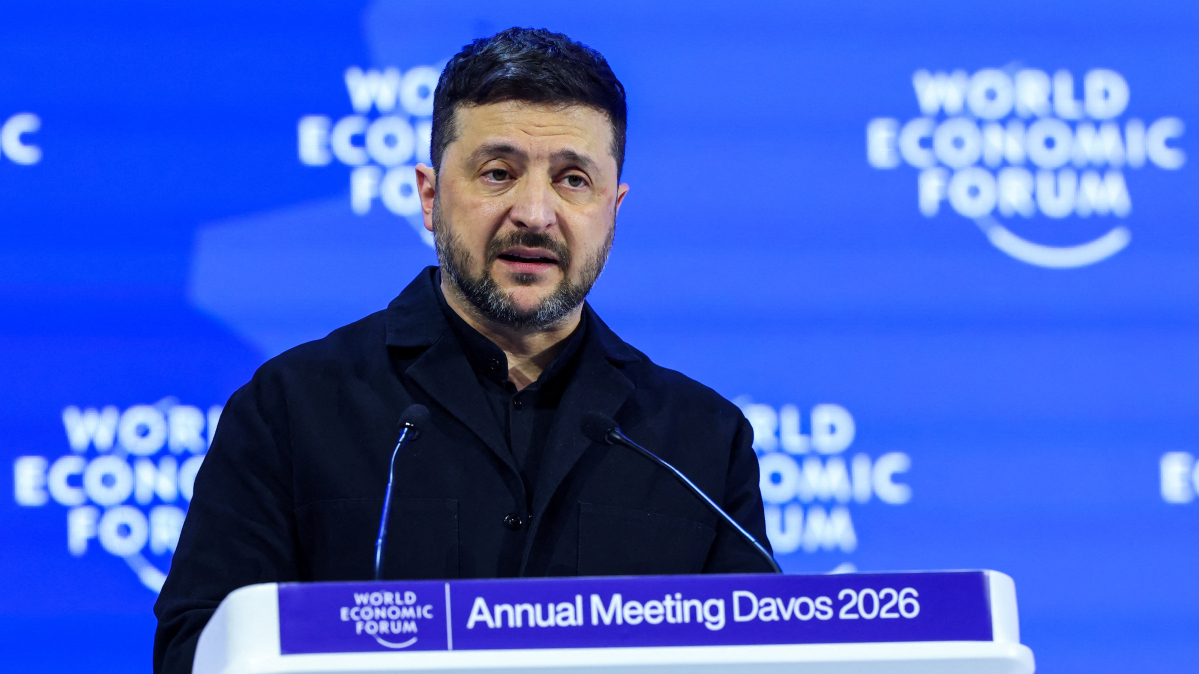
“Right now NATO exists thanks to the belief that the U.S. will act, that it will not stand aside and will help. But what if it doesn’t?” Ukrainian President Volodymyr Zelenskyy asked the World Economic Forum in Davos, Switzerland on Thursday (22 January).
Zelenskyy also condemned the rate of progress on establishing a special tribunal for Russian aggression “against the Ukrainian people.”
He noted that “many meetings have taken place but still Europe hasn’t reached even the point of having a home for the tribunal, with staff and actual work happening inside,” and asked, “What’s missing, time or political will?”
President Zelenskyy highlighted the arrest and detainment of former Venezuela's President Nicolás Maduro, contrasting it to the approach towards Russia's President Vladimir Putin.
“President Trump led an operation in Venezuela, and Maduro was arrested. There were different opinions about it, but the fact remains: Maduro is on trial in New York. Sorry, but Putin is not on trial. This is the fourth year of the biggest war in Europe since World War II, and the man who started it is not only free, he is still fighting for his frozen money in Europe.”
On efforts to end the conflict with Russia, Zelenskyy said formal plans are almost complete.
“Ukraine is working with full honesty and determination, and that brings results, and Russia must become ready, too, to finish this war, to stop this aggression,” the Ukrainian President stated.
He added that a two-day trilateral meeting between U.S., Ukrainian and Russian officials will begin in the United Arab Emirates (UAE) on Friday (23 January).
The Ukrainian president called for united European armed forces, capable of defending the continent independently, saying, “Europe relies only on that belief that if danger comes, NATO will act, but no one has really seen the alliance in action.”
He described Europe as a “beautiful but fragmented” collection of “small and middle” powers, criticising the bloc for “looking lost.”
Once more highlighting the response to the war in Ukraine, he compared it to Europe’s recent response to Greenland, “Everyone turned attention to Greenland, and it’s clear most leaders simply are not sure what to do about it. And it seems like everyone is just waiting for America to cool down on this topic, hoping it will pass away. But what if it will not, what then?”
Zelenskyy emphasised that Europe must act decisively: “We have told our European partners multiple times — act now … but Europe still remains in ‘Greenland mode’ — maybe someday, someone will do something.”
He echoed U.S. President Donald Trump’s warnings about the Arctic, saying, “You either declare that European bases will protect the region from Russia and China and establish those bases, or you risk not being taken seriously. Because 40 soldiers will not protect anything.”
The Ukrainian leader also highlighted the threat posed by Russian naval activity in the region, stating Ukraine could assist in countering it.
“They can sink near Greenland, just as they do near Crimea. We can take actions and we know how to fight there, if we were asked, and if Ukraine were in NATO — but we are not.”
He reiterated the country’s readiness to provide expertise and weapons.
Witkoff's comments
Ahead of the meeting between Ukrainian President Volodymyr Zelenskyy and U.S. President Donald Trump in Davos, U.S. special envoy to Ukraine, Steve Witkoff, told a breakfast session that Trump envisions a tariff-free zone in eastern Ukraine as part of a post-war prosperity deal.
“As a result, a post-war Ukraine could gain tariff-free access to the U.S. market,” Witkoff said, “I think that would be game-changing. I actually am optimistic.”
However, progress remains limited on key sticking points.
Moscow continues to demand that Kyiv cede parts of the eastern Donbas region, a proposal Ukraine has refused to consider.
The Kremlin has also objected to security guarantees involving Western troop deployments in Ukraine, which Zelenskyy has insisted on to deter future Russian aggression and reassure skeptical domestic audiences.
Zelenskyy has also raised concerns over a proposed three-way control arrangement of the Zaporizhzhia Nuclear Power Plant between the U.S., Russia, and Ukraine, rejecting a plan that he says would compromise Ukrainian sovereignty over the site.
Meeting with Trump
U.S. President Donald Trump and Ukrainian President Volodymyr Zelenskyy described their hour-long meeting on Thursday as positive.
“I had a very good meeting with President Zelenskyy. Everybody wants to have the war end,” Trump said following the discussion.
He expressed optimism about peace prospects, saying, “We have peace in the Middle East … and I believe another one's coming pretty soon.”
He confirmed that a meeting with Russian President Vladimir Putin and U.S. envoys Steve Witkoff and Jared Kushner is scheduled, though the timing remains flexible.
When asked what message he wished to convey to Moscow after the Davos talks, Trump stated simply, “This war must end.”
President Zelenskyy described the session as “good,” adding it was “productive and substantive.”
He detailed ongoing coordination between the two sides.
"We discussed the work of our teams, and practically every day there are meetings or communication. The documents are now even better prepared. We also spoke today about air defense for Ukraine."
"Our previous meeting with President Trump helped strengthen the protection of our skies, and I hope that this time we will reinforce it further as well. I thanked him for the previous package of air defense missiles and asked for an additional one,” Zelenskyy said on the social media platform X.
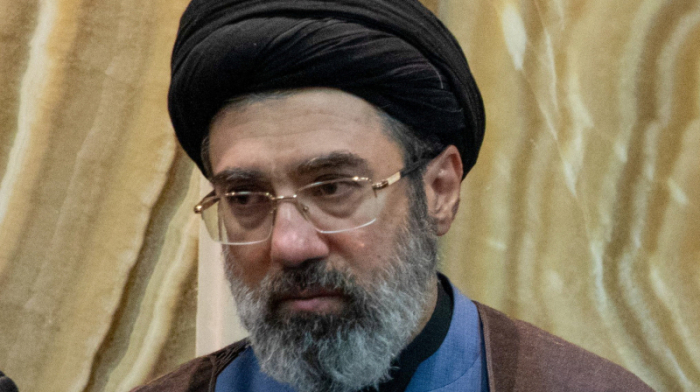
Iranian Supreme Leader Ayatollah Khamenei has ordered Iran's armed forces to respond to any threat immediately and without geographical limits in statements posted to social media platforms on Saturday (31 October).
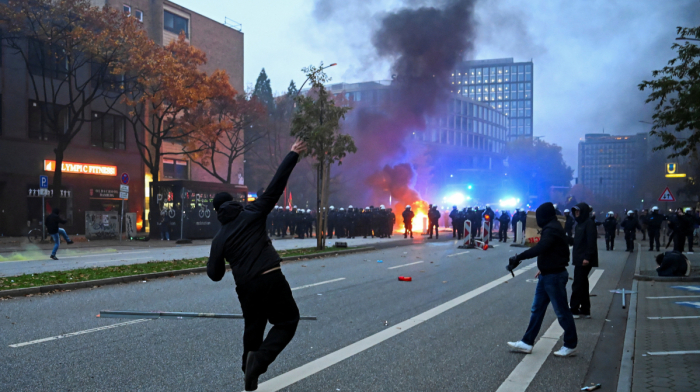
Gen Z protests swept 34 German cities on Saturday (31 October) over education and living costs. Violence erupted in Frankfurt, where shops were looted and police reported Molotov cocktail attacks.
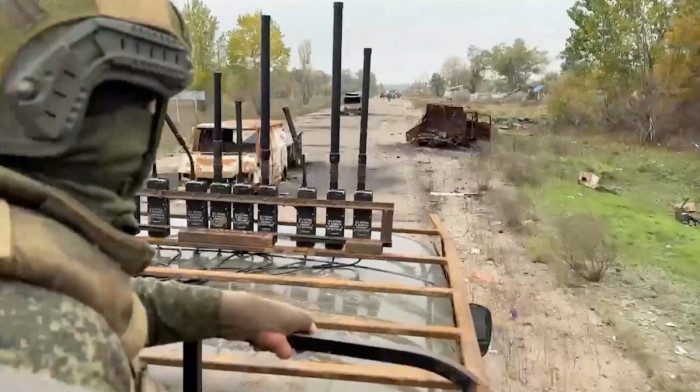
A six-day humanitarian ceasefire in the Russian-held Ukrainian town of Oleshky ended on Sunday, 1 November, after facilitating aid deliveries and civilian evacuations.
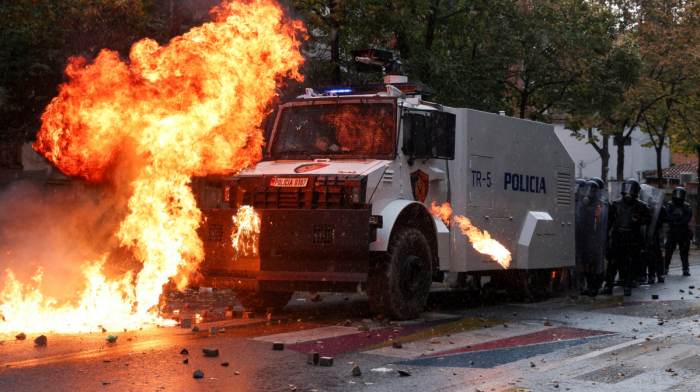
ThousandsprotestedinAlbania'scapital,Tirana,onSaturday (31 October),demandingPrimeMinisterEdiRama'sresignationover perceived corruptionallegationsanddissatisfactionwith the government over a lack of jobs and poor education standards.
Saudi Aramco's acquisition of a 49 per cent stake in artificial intelligence (AI) company HUMAIN is putting a spotlight on a wider investment question: why are some of the world's biggest energy companies moving deeper into AI, and what do they expect to gain?
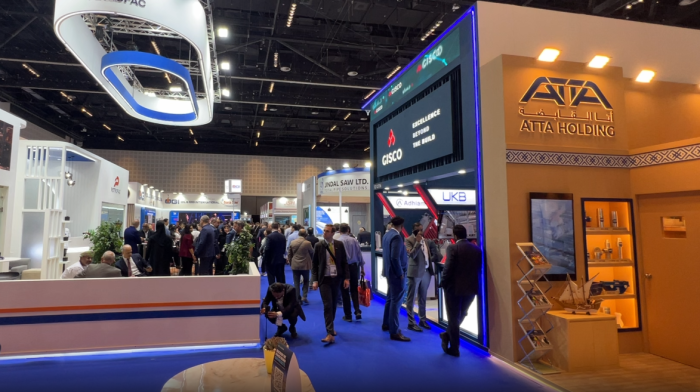
ADIPEC 2026, the world's largest energy event, opened in the UAE capital on Monday, bringing governments and energy companies together at a time of heavy pressure on global supply.
The U.S. administration has reportedly proposed restarting Russian gas supplies to Europe through Ukraine as part of efforts to secure an energy ceasefire ahead of winter.
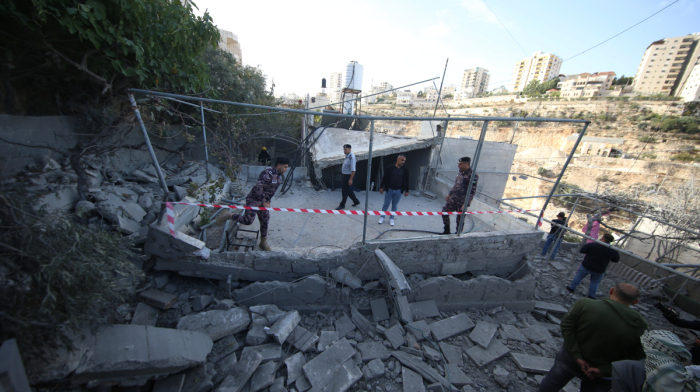
Israeli forces have withdrawn from the entire city of Hebron in the southern West Bank after a 10-day military operation that displaced thousands of Palestinians and left homes demolished, infrastructure damaged and businesses disrupted, according to the city's governor.
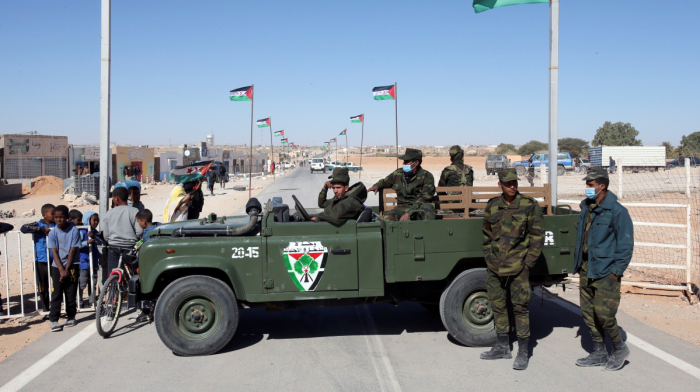
The United Nations is ending its 35-year peacekeeping mission in Western Sahara after the Security Council failed to agree on renewing its mandate, UN Secretary-General António Guterres announced on Sunday.
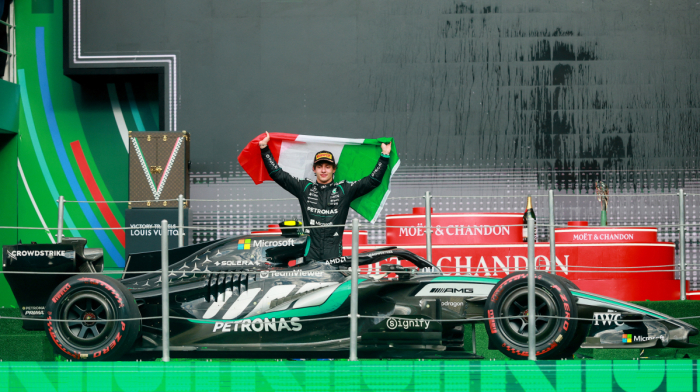
Kimi Antonelli became Formula One's youngest world champion at 20 years and 68 days old on Sunday when he finished third for Mercedes in a red-flagged and restarted Mexico City Grand Prix won by Red Bull's Max Verstappen.
Download the AnewZ app
You can download the AnewZ application from Play Store and the App Store.








What is your opinion on this topic?
Leave the first comment