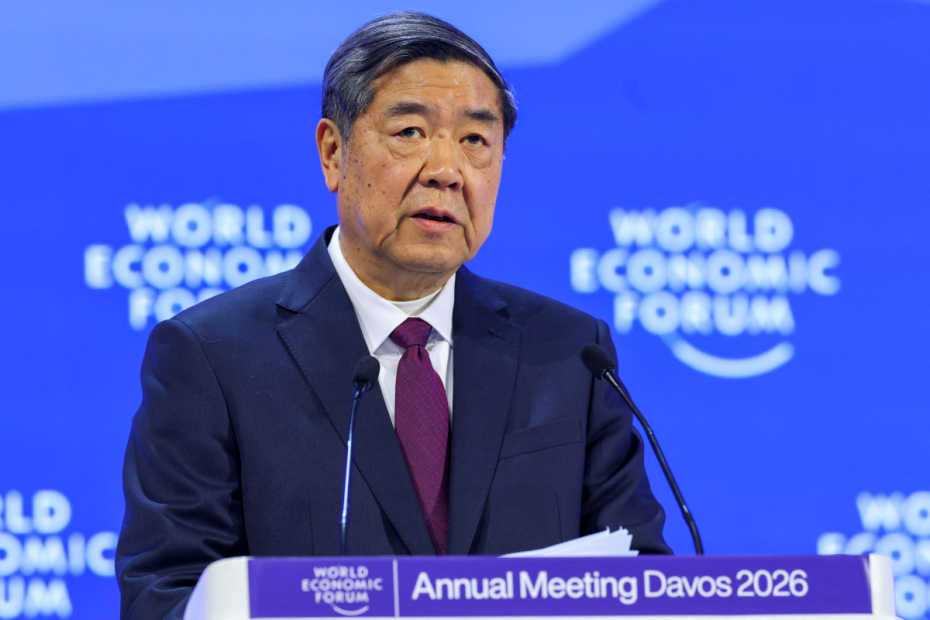
There was a common theme in speeches at the World Economic Forum on Tuesday (20 January). China’s Vice-Premier, He Lifeng, warned that "tariffs and trade wars have no winners," while France's Emmanuel Macron, labelled "endless accumulation of new tariffs" from the U.S. "fundamentally unacceptable."
During his speech, He Lifeng emphasised the importance of international cooperation, noting that “while economic globalisation is not perfect,” countries “can not completely reject it and retreat to self isolation.”
He also outlined China’s domestic economic priorities, stating that boosting internal demand is central to 2026 plans to encourage consumption while preserving production capacity.
“China will open its door wider to the world,” He said, highlighting intentions to expand opportunities in the services sector.
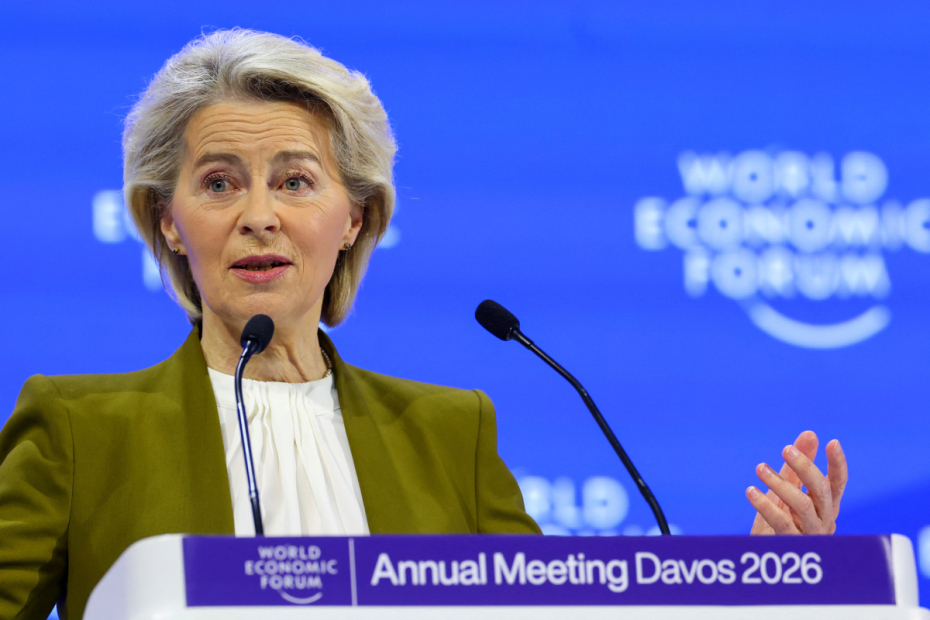
European Commission President Ursula Von der Leyen stressed that "Europe will always choose the world, and the world is ready to choose Europe," as the European Union navigates historic geopolitical challenges and uncertainty over its economic path.
The bloc recently finalised a landmark trade deal with Mercosur’s South American members while facing strains in the traditional trans-Atlantic alliance. Von der Leyen highlighted the numerous trade agreements the EU is pursuing beyond the Mercosur deal.
Ursula von der Leyen also pushed back against U.S. President Donald Trump’s announcement that, starting in February, a 10% import tax would apply to goods from eight European countries supporting NATO ally Denmark, as Greenland is a semiautonomous territory of Denmark.
“The European Union and the United States have agreed to a trade deal last July,” von der Leyen said at Davos.
“And in politics as in business – a deal is a deal. And when friends shake hands, it must mean something,” she stated.
Von der Leyen added, “We consider the people of the United States not just our allies, but our friends. And plunging us into a downward spiral would only aid the very adversaries we are both so committed to keeping out of the strategic landscape.”
She emphasised that the EU’s response “will be unflinching, united and proportional.”
French President Emmanuel Macron called for greater stability and adherence to international law, warning of “a shift towards a world without rules, where international law is trampled underfoot and where the only law that seems to matter is that of the strongest.”
“We do believe that we need more growth, we need more stability in this world, but we do prefer respect to bullies. We do prefer science to (conspiracies) and we do prefer rule of law to brutality,” he stated.
Macron also highlighted the importance of foreign investment, noting that “Europe needs more Chinese investment in key European sectors,” while cautioning against the use of tariffs on allies.
The French President stressed that "it doesn't make sense to threaten allies with tariffs".
"The crazy thing is we can be put in a situation where we have to use the anti-coercion instrument towards the U.S.” he said.
In an interview on the sidelines of the summit, U.S. Treasury Secretary Scott Bessent urged European nations not to retaliate against the United States. He compared the reaction to the 25% tariff threatened by President Donald Trump on European countries to “hysteria.”
“I would say this is the same kind of hysteria that we heard on 2 April. There was a panic,” he stated.
Bessent advised caution, saying: “What I am urging everyone here to do is sit back, take a deep breath, and let things play out. The worst thing countries can do is escalate against the United States.”
Canadian Prime Minister Mark Carney stated, during his appearance at the World Economic Forum, that Canada firmly opposes any U.S. tariffs linked to President Trump’s bid to assert control over Greenland.
"Canada strongly opposes tariffs over Greenland and calls for focused talks to achieve our shared objectives of security and prosperity in the Arctic," he stated.
On the sidelines of the event, Belgian Prime Minister Bart De Wever told reporters that Europe should make it clear to U.S. President Donald Trump that “enough is enough,” adding that “The more indulgent you are towards him, the more brazen he becomes.”
He emphasised the importance of strengthening the EU single market and enhancing competitiveness.
Summit scope
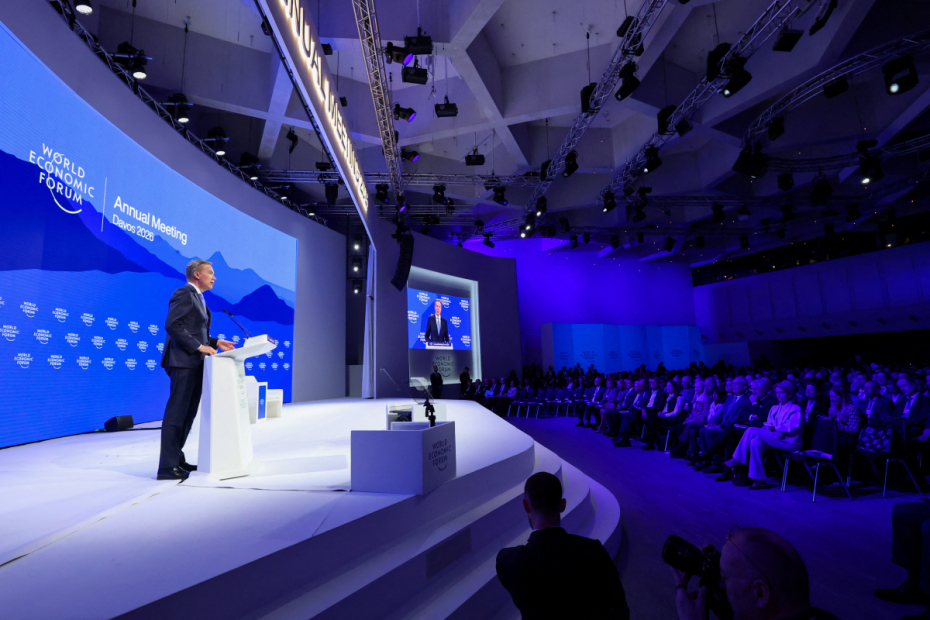
Børge Brende, President and CEO of the World Economic Forum, opened the day's events by reflecting on the evolving global landscape.
Unlike last year, when concerns centered on a decade of sluggish growth, the world is now experienci, monitoredng steady economic expansion, accompanied by increasing trade, Brende said.
Technology is playing a key role in this upswing, “If we get it right, the new technologies can be the new driver of growth for decades to come,” he noted.
This year the summit in Davos brings together nearly 3,000 participants from more than 130 countries, including about 400 top political leaders and close to 65 heads of state and government.
The gathering, one of the highest‑level in the WEF’s history, reflects growing global uncertainty as leaders seek common ground on economic growth, technological innovation and geopolitical friction.
Attendees include leaders from Qatar and Morocco as well as numerous CEOs and business luminaries.
Eurasia in focus
A panel titled “Defining Eurasia's Economic Identity” is took place on Tuesday, exploring the shifting balance of influence and power in the Caucasus and Central Asia amid competing interests from East and West.
The discussion focused on emerging trade corridors, ambitious infrastructure projects, and heightened competition over resources, examining how the region can maximise opportunities and strengthen its role in these expanding routes.
Armenian President Vahagn Khachaturyan, Azerbaijani President Ilham Aliyev, Limak Holding Chairperson Ebru Özdemir, and Serbian President Aleksandar Vučić participated in the panel discussion.
World leaders are also set to debate broader geopolitical challenges, including the path to peace in Ukraine, rebuilding trust in Latin America and Africa’s role in the evolving world economy.
Key topics
Day 2 of the forum has seen debates on global economic strategy, technology governance and multilateral cooperation, against a backdrop of rising geopolitical tensions, such as disputes over Greenland and broader U.S.-EU relations, that have loomed over discussions.
Prominent voices from the corporate world are also addressing participants.
Microsoft CEO Satya Nadella spoke on responsible technological innovation, saying energy costs will play a decisive role in determining which nations lead the AI race.
He described a new global commodity in the form of “tokens” — the basic units of processing purchased by AI users to run tasks.
“The job of every economy and every firm in the economy is to translate these tokens into economic growth, then if you have a cheaper commodity, it’s better,” he added.
Palantir Technologies CEO and Co‑Founder Alex Karp is expected to share insights on the future of global business and data.
Sessions will focus on how to scale artificial intelligence responsibly, investing in the workforce, and whether electric vehicles can lead future mobility. Energy security, international cooperation in a fractious global environment, and economic growth within environmental limits are also major themes.
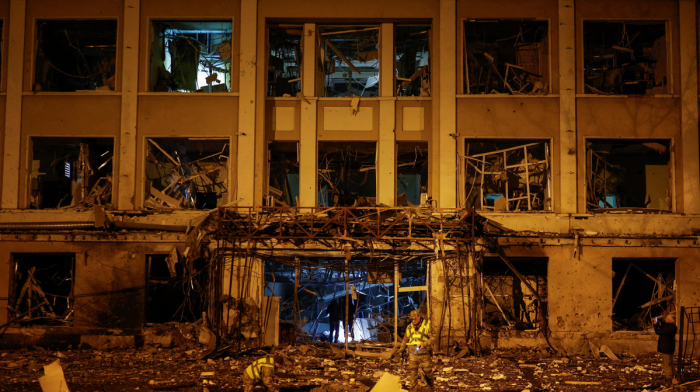
U.S. President Donald Trump has criticised Ukrainian President Volodymyr Zelenskyy for continuing to target Russia's energy infrastructure, while Russian strikes on Kyiv overnight killed at least one person and damaged a metro station.
The day after waiving sanctions and tariffs related to Russian exports, U.S. President Donald Trump said on Saturday he has yet to announce a final decision on the matter as Secretary of State Marco Rubio said officials want more time to evaluate the situation.
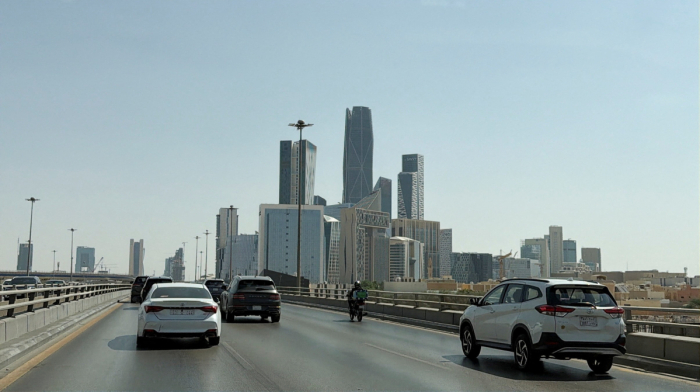
A Saudi AH-6i helicopter crashed in the Najran region of Saudi Arabia due to a technical malfunction, killing its two crew members, the Saudi-led coalition's spokesman Brigadier General Turki al-Maliki said in a statement on Sunday.
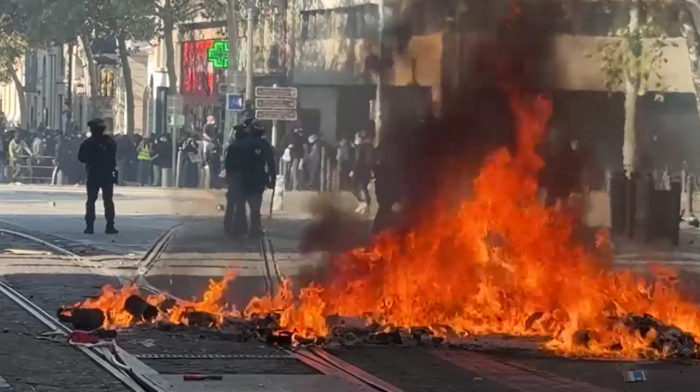
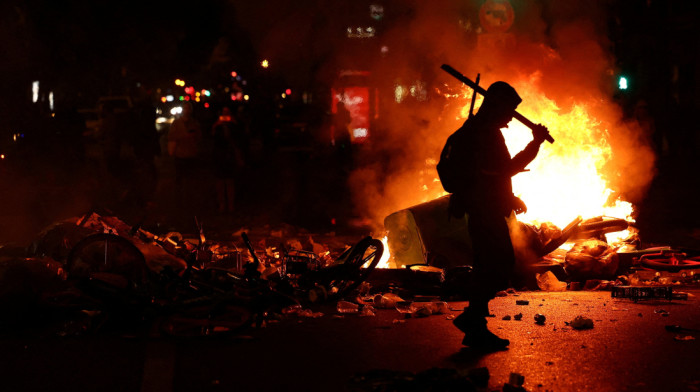
French President Emmanuel Macron has condemned the violence, looting and vandalism that erupted during cost-of-living protests across France. Prime Minister Sébastien Lecornu held crisis talks on Monday, calling for partial curfews and raising the possibility of a state of emergency.
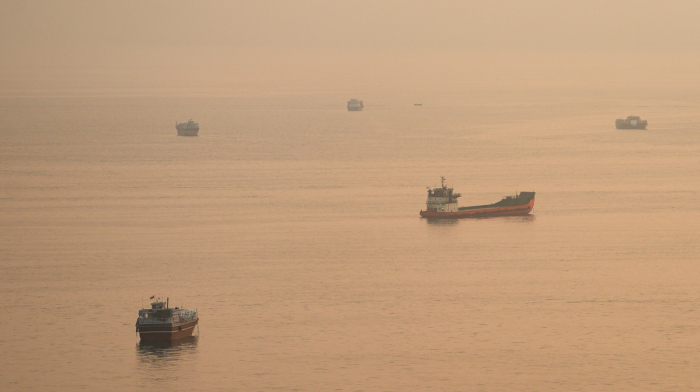
An oil tanker caught fire after striking a naval mine in the southern part of the Strait of Hormuz, Iran’s Islamic Revolutionary Guard Corps (IRGC) Navy said late Sunday.
Ukrainian President Volodymyr Zelenskyy is arriving in Oslo for talks on the Russia-Ukraine conflict, the Norwegian government has said. U.S. President Donald Trump's Special Envoy Steve Witkoff is also expected in the Norwegian capital this week for talks with Zelenskyy and European officials.
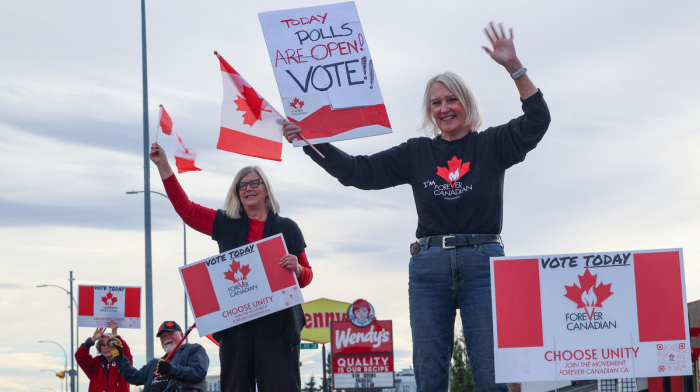
Canada’s oil-rich province of Alberta voted to remain part of the country in a non-binding referendum on Monday, 19 October, CBC News reports, delivering a much-needed victory for Prime Minister Mark Carney amid an ongoing trade war with the United States.
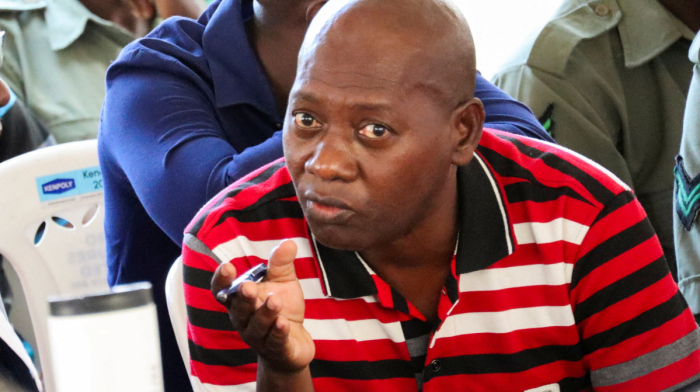
A Kenyan court has convicted cult leader Paul Mackenzie and 28 co-defendants of murder over the deaths of 191 people, including 190 children, in a case that shocked the world and exposed one of the deadliest cult-related tragedies in recent memory.
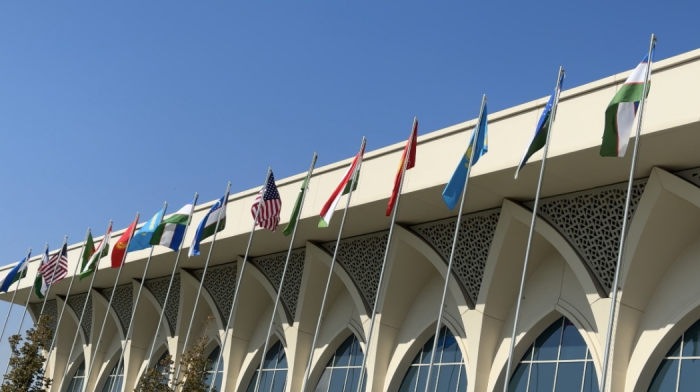
The U.S. and five Central Asian nations have held high-level talks in Samarkand, focusing on trade, investment and regional security as Washington seeks to strengthen its presence in the strategically important region.
French authorities imposed local curfews in parts of Paris, Lille and Nice on Monday after a weekend of riots and looting linked to nationwide anti-government protests, as the government faced mounting criticism over security failures.
Download the AnewZ app
You can download the AnewZ application from Play Store and the App Store.









What is your opinion on this topic?
Leave the first comment