live Qatar shoots down Iranian jets: All the latest news on the Iran strikes
The Middle East crisis intensifies after the deadly attack on the compound of the Supreme Leader of Iran Ali Khamenei on Saturday t...
Australia is poised to pass new laws to enable a national gun buyback and tighten background checks for gun licences in response to the country’s worst mass shooting in decades at a Jewish festival last month.
The bill passed the House of Representatives on Tuesday by a vote of 96 to 45, despite being opposed by conservative lawmakers. It will now go to the Senate where it is expected to pass with the support of the Greens party.
The 14 December attack at Bondi Beach that killed 15 people was carried out by individuals who had "hate in their hearts and guns in their hands," Home Affairs Minister Tony Burke said as he introduced the new laws.
"The tragic events at Bondi demand a comprehensive response from government," Burke said. "As a government, we must do everything we can to counter both the motivation and the method."
The new measures would establish the largest national gun buyback scheme since one implemented after a massacre in 1996 in Tasmania's Port Arthur where a lone gunman killed 35 people.
They would also introduce tougher background checks for firearm licences issued by Australia’s states by drawing on information held by the Australian Security Intelligence Organisation.
The government said on Sunday there were a record 4.1 million firearms in Australia last year, including more than 1.1 million in New South Wales, the country’s most populous state and the site of the Bondi attack.
"This bill reveals the contempt the government has for the million gun owners of Australia. The prime minister has failed to recognise that guns are tools of trade for so many Australians," said Shadow Attorney-General Andrew Wallace.
Parliament, which is sitting after Albanese recalled it early from its summer break to address issues following the Bondi attack, is also debating separate legislation that would lower the threshold for prosecuting hate speech offences.
The laws were originally proposed as a single bill, but opposition from both the coalition and the Greens forced the government to split the package and drop provisions from the hate speech laws that proposed introducing an offence against racial vilification.
Liberal party lawmakers have indicated they will support the government's hate speech laws, while the position of the Nationals, their coalition partner, remains unclear.

Follow the latest developments and global reaction after the U.S. and Israel launched “major combat operations” in Iran, prompting retaliation from Tehran.
Saudi Arabia’s state oil giant Saudi Aramco closed its Ras Tanura refinery on Monday following an Iranian drone strike, an industry source told Reuters as Tehran retaliated across the Gulf after a U.S.-Israeli attack on Iranian targets over the weekend.
The Kremlin is utilising the recent United States and Israeli military strikes on Iran to validate its ongoing war in Ukraine. Russian officials are pointing to the escalation in the Middle East as evidence that Western nations do not adhere to international rules.
The Middle East crisis intensifies after the deadly attack on the compound of the Supreme Leader of Iran Ali Khamenei on Saturday that killed him, other family members and senior figures. Iran has launched retaliatory strikes on U.S. targets in the region.
Ayatollah Alireza Arafi has moved into a pivotal constitutional role following the death of Supreme Leader Ayatollah Ali Khamenei, becoming the clerical member of Iran’s temporary leadership council under Article 111 of the Constitution of the Islamic Republic of Iran.
The U.S.-Iran crisis has entered its third day, with further strikes reported across the Middle East and the death toll rising. Oil prices have surged to levels last seen during the Covid-19 pandemic, raising fears of economic disruption and higher prices worldwide.
The UK said it's allowing the U.S. to use its bases for defensive strikes against Iran amid escalating missile attacks, after a suspected drone strike hit a British airbase in southern Cyprus, causing limited damage.
The Kremlin is utilising the recent United States and Israeli military strikes on Iran to validate its ongoing war in Ukraine. Russian officials are pointing to the escalation in the Middle East as evidence that Western nations do not adhere to international rules.
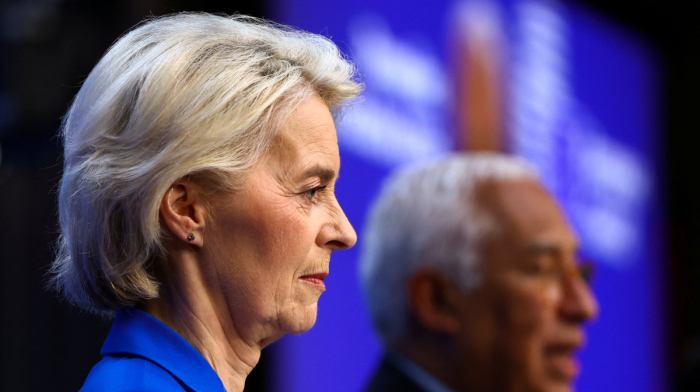
European Union stands with its member states in the face of any threat, EU Commission President Ursula von der Leyen said in response to the drone strike that hit Britain's Royal Air Force base of Akrotiri in southern Cyprus overnight.
Start your day informed with AnewZ Morning Brief. Here are the top news stories for the 27th of February, covering the latest developments you need to know.
You can download the AnewZ application from Play Store and the App Store.
What is your opinion on this topic?
Leave the first comment