Russia and Ukraine exchange deadly strikes as aerial attacks intensify
At least six people have been killed in Russian attacks across Ukraine, while Moscow has reported two deaths in Russian-controlled territory, as bo...
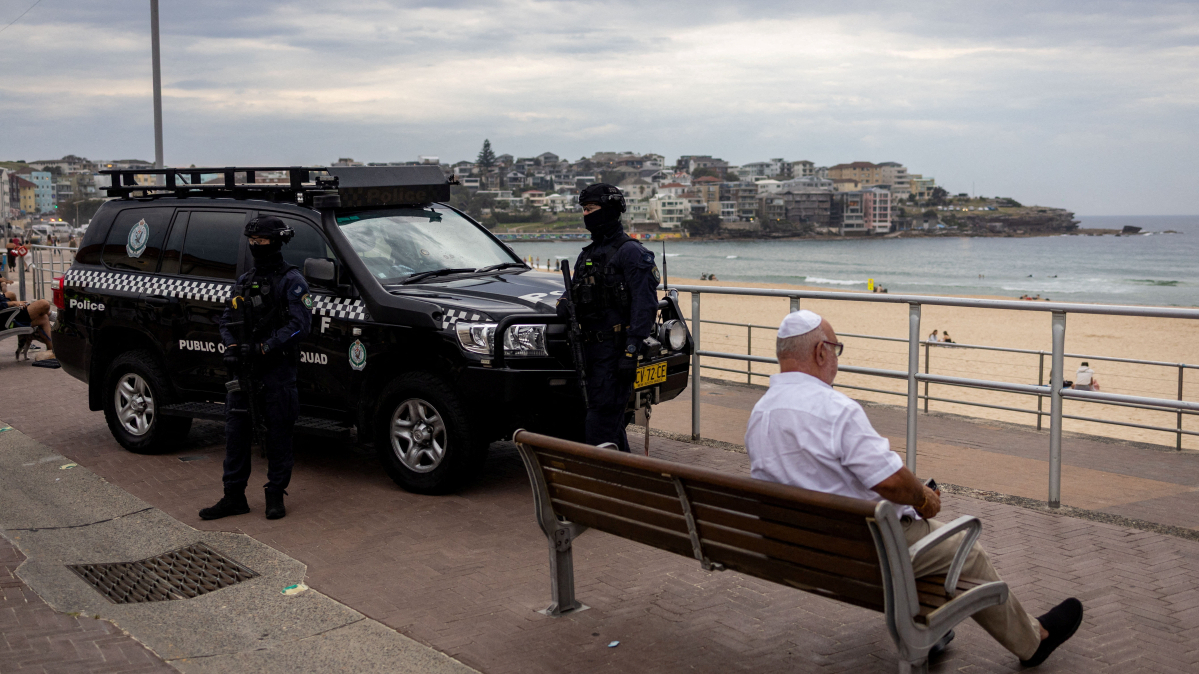
A man accused of carrying out Australia’s deadliest mass shooting in nearly three decades appeared briefly in a Sydney court on Monday (16 February), facing terrorism and murder charges over the 14 December attack on a Jewish Hanukkah celebration at Bondi Beach that left 15 people dead.
Naveed Akram, 24, appeared via video link from Goulburn Correctional Centre, a maximum-security prison south-west of Sydney, during a five-minute procedural hearing.
Prosecutors allege Akram and his father, Sajid Akram, opened fire on revellers on 14 December, killing 15 people and wounding dozens more. Sajid Akram, 50, was shot dead by police at the scene.
Naveed Akram faces 59 charges, including 15 counts of murder, 40 counts of wounding with intent to murder, terrorism offences and allegations of planting explosives.
However, the hearing focused largely on technical matters, including the extension of suppression orders protecting the identities of some victims.
Akram spoke only once, replying “yeah” when asked if he understood proceedings. He is due to return to court on 9 March.
Outside court, defence lawyer Ben Archbold said his client was being held in “very onerous conditions” and that it was too early to indicate how he would plead.
Police documents allege the father and son planned the attack over several months, undertaking firearms training in rural New South Wales and conducting a reconnaissance visit to Bondi Beach shortly before the killings.
Authorities said the pair had recorded a video railing against “Zionists” while seated before a flag associated with the Islamic State group.
The attack triggered national debate over anti-Semitism, intelligence oversight and gun control, after it emerged Akram had previously been flagged by Australia’s intelligence agency in 2019 but was assessed as posing no imminent threat.

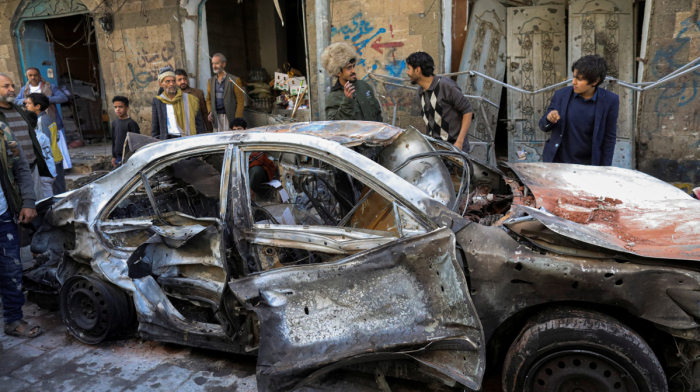
A drone strike on Yemen's Houthi-held capital Sanaa injured 15 people, Houthi news agency Saba reported on Saturday (28 November). The attack by Saudi forces damaged eight homes and three shops in the neighbourhood of Bir Abu Shamlah in Al-Tahrir district, Saba said.
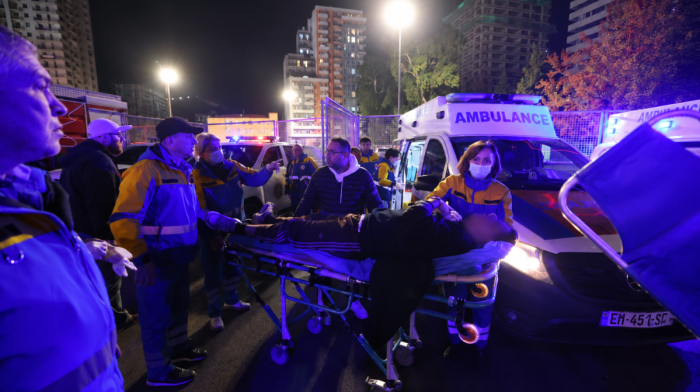
UEFA has launched an investigation into clashes between Beşiktaş J.K fans and Georgian police that briefly halted the Turkish side’s Europa League match against Israel’s Hapoel Be'er Sheva F.C on Thursday (26 November).
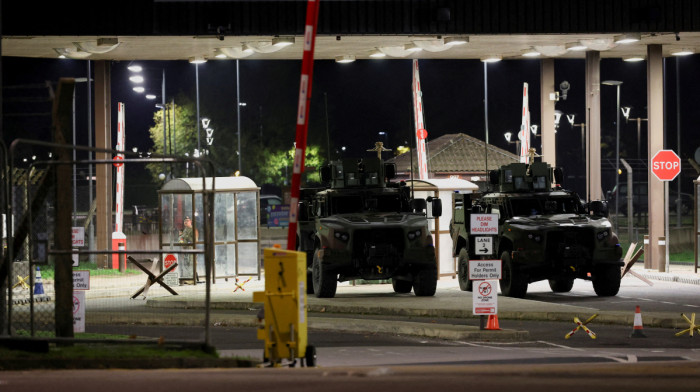
U.S. forces repelled half a dozen drones that swarmed a UK airbase earlier in November in an incident suspected to be linked to Iran, the Financial Times reported on Saturday 28 November, citing people familiar with the matter.
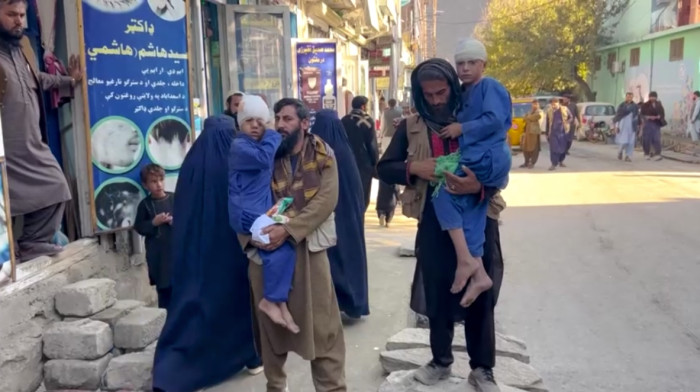
At least seven students have been killed and up to 99 others injured in an explosion near a middle school in Asadabad, the capital of Kunar Province in eastern Afghanistan, on Saturday morning 28 November, an Afghan government spokesperson said.
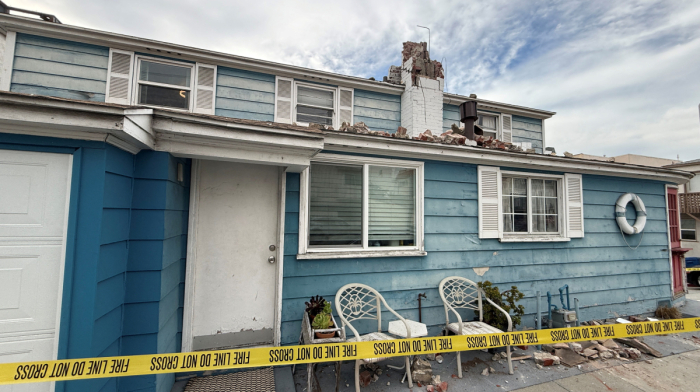
A magnitude 5.0 earthquake struck off the coast of Southern California on Saturday (28 November), triggering a series of aftershocks and emergency inspections across Los Angeles.
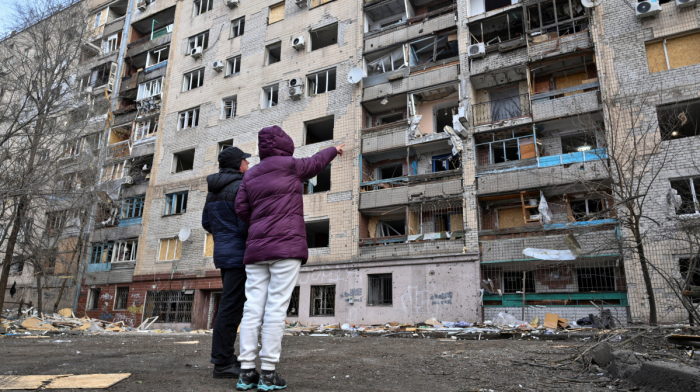
At least six people have been killed in Russian attacks across Ukraine, while Moscow has reported two deaths in Russian-controlled territory, as both sides intensified aerial strikes despite ongoing U.S.-mediated peace negotiations.
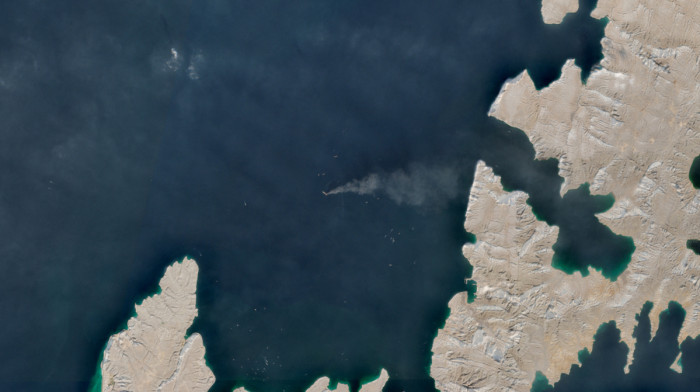
Two oil tankers struck naval mines and caught fire in the Strait of Hormuz on Sunday, 29 November, according to Iran's Islamic Revolutionary Guard Corps (IRGC) Navy, which accused the vessels of violating maritime restrictions.
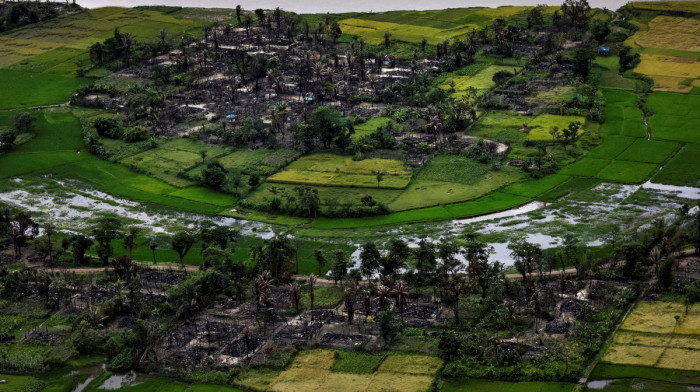
Myanmar military airstrikes and artillery bombardments killed at least 49 people and wounded more than 90 in separate attacks on rebel-held areas in Rakhine and Kayah states on Saturday (28 November), according to local residents and an aid worker.
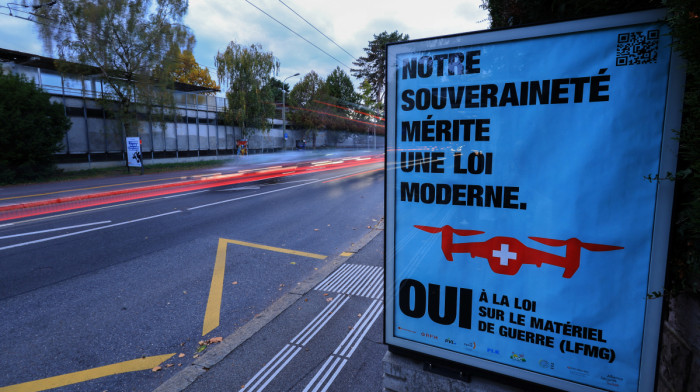
Swiss voters will head to the polls on Sunday to decide whether to ease restrictions on weapons exports, in a referendum that could have significant implications for the country’s traditional neutrality and the future of its defence industry.
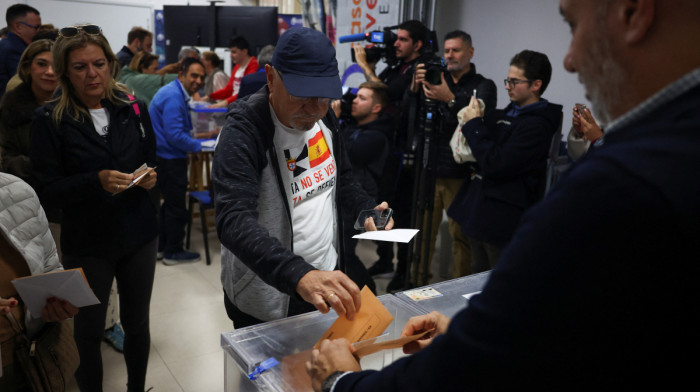
Spaniards began voting on Sunday, (29 November), in an early parliamentary election deciding whether to grant Socialist Prime Minister Pedro Sanchez another term or hand power to conservative opponents who may need far-right support to govern.
You can download the AnewZ application from Play Store and the App Store.
What is your opinion on this topic?
Leave the first comment