Police in Australia have charged a man who allegedly opened fire on a Jewish event on Sydney's Bondi Beach with 59 offences, including 15 counts of murder and one of committing a terrorist act.
They said this on Wednesday 17 December, following the country's deadliest mass shooting for nearly 30 years.
Sajid Akram, aged 50, was killed by police at the scene, while his 24-year-old son, Naveed, remains under police guard in a hospital after being shot by officers during the confrontation.
Investigators were preparing to formally charge Naveed Akram once his condition stabilised, with authorities planning to question him as soon as he is able to communicate, after his medication wore off.
Health authorities said 22 people were still in several Sydney hospitals.
The attack occurred on Sunday 14 December during a Jewish Hanukkah celebration at Bondi Beach in Sydney. It shocked the nation and raised serious concerns about the rising tide of antisemitism and violent extremism across the country.
The incident is believed to have been inspired by the Islamic State and has drawn significant attention to the underlying motivations behind the assault particularly as the father and son had recently travelled to the southern Philippines, a region known for its ongoing Islamist militancy.
This connection has intensified the debate about the spread of extremist ideologies and their influence on violent acts.
The incident has prompted both domestic and international responses, leading to renewed calls for stronger measures to combat extremism and ensure the safety of communities targeted by hate and violence.
Funerals for Jewish victims begin in Sydney
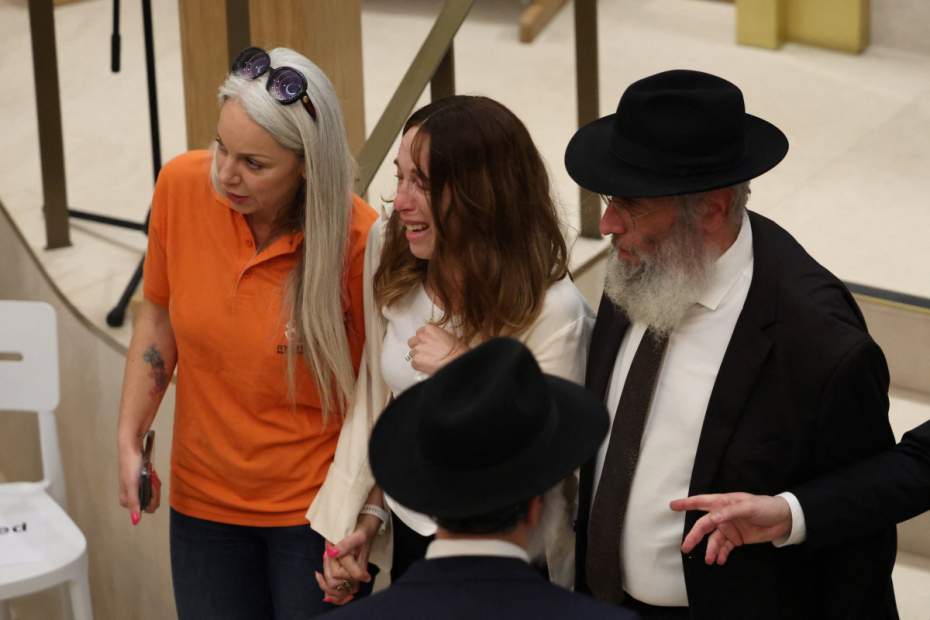
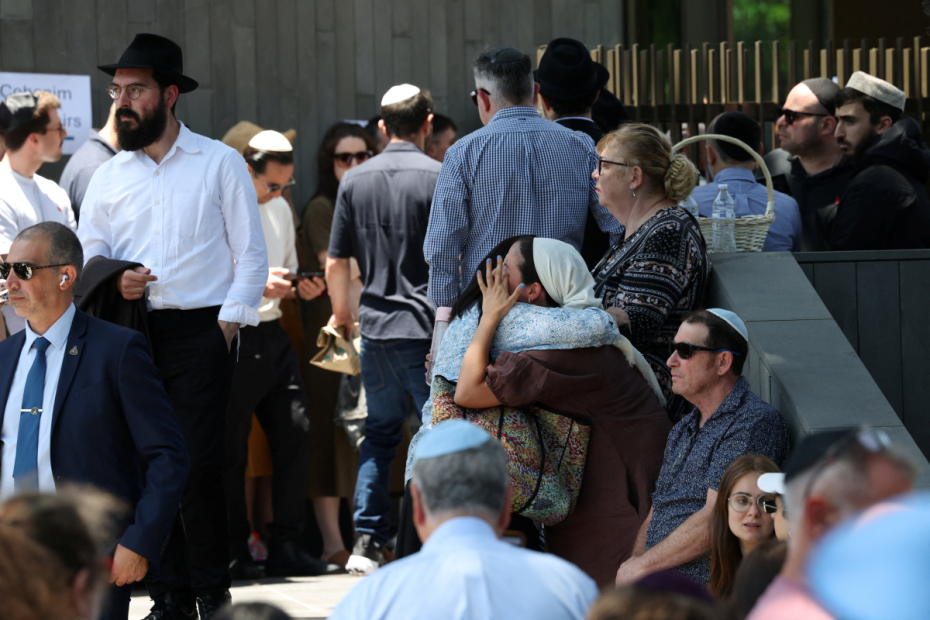
On Wednesday, the Jewish community in Sydney began burying the victims of the tragic attack, starting with Rabbi Eli Schlanger, an assistant rabbi at Chabad Bondi Synagogue.
Rabbi Schlanger, a father of five, was well known for his work within Sydney’s Jewish community, including visiting prisons and connecting with Jewish individuals in public housing.
His tragic death has deeply shaken the local Jewish community, which is grappling with the loss of a key figure in their religious and social lives.
The funerals continue as the Jewish community in Sydney honours the lives lost. The attack, carried out during a religious celebration, has highlighted concerns about the rise of antisemitism in Australia.
Prime Minister Albanese expressed his government’s commitment to eradicating such hate and working closely with the Jewish community to prevent further incidents.
"We will work with the Jewish community, we want to stamp out and eradicate antisemitism from our society," Albanese told reporters.
In the wake of the tragedy, there is a call for increased vigilance and educational efforts to combat antisemitism and extremism in the country.
Allegations of government failure to prevent attack
Albanese’s government faces increasing criticism over its handling of the rise of antisemitism in Australia. Critics argue that the government did not do enough to prevent hate speech and extremism during the two-year Israel-Gaza conflict, which exacerbated tensions within various communities in Australia.
Albanese, while condemning the attack, pledged to work with the Jewish community to eliminate antisemitism and ensure that such violence does not occur again.
Additionally, the government is under pressure to explain how the suspected perpetrators were able to legally acquire the weapons used in the attack.
Sajid Akram was able to purchase high-powered rifles and shotguns, which have raised questions about the country’s gun laws and the need for reforms.
The government has already promised sweeping changes to gun control policies, although the specifics of these reforms remain to be seen.
Ahmed al-Ahmed: Hero’s bravery amidst tragedy
Ahmed al-Ahmed, a 43-year-old man who tackled one of the shooters to disarm him, has been hailed as a hero for his quick thinking and bravery during the attack.
Despite suffering gunshot wounds in the process, al-Ahmed managed to prevent further violence, saving countless lives. His actions have been widely praised, with his uncle in Syria describing him as a source of immense pride.
"We learned through social media. I called his father and he told me that it was Ahmed. Ahmed is a hero, we're proud of him. Syria in general is proud of him," the uncle told Reuters.
The story of al-Ahmed’s heroism has sparked a wave of admiration and gratitude from the Australian public, highlighting the courage of ordinary citizens in extraordinary circumstances.
Al-Ahmed’s bravery, however, came at a cost. He is scheduled to undergo surgery to treat his injuries. The incident has further drawn attention to the personal sacrifices made by individuals in the face of violent extremism and has underscored the importance of community solidarity during times of crisis. Al-Ahmed's family, both in Australia and abroad, has expressed their admiration for his actions, reinforcing the sense of global pride in his heroism.
Holocaust survivor and 10-year-old among victims
The victims of the Sydney shooting were diverse, with the tragedy claiming the lives of people from various backgrounds.
Among the victims was a Holocaust survivor, a poignant reminder of the horrors of antisemitism and violence throughout history.
The shooting also claimed the lives of a husband and wife, who were reportedly among the first to approach the gunmen before they began firing.
Another victim, Matilda, a 10-year-old girl who was caught in the crossfire. Her father, a recent immigrant from Ukraine, shared an emotional message at a Bondi vigil, asking that his late daughter's legacy be remebered.
"We came here from Ukraine … and I thought that Matilda is the most Australian name that can ever exist. So just remember the name, remember her," local media reported him as saying.
The young girl’s death has left a profound mark on the community, with local residents and strangers alike expressing their grief and solidarity in the wake of the attack.
The loss of such innocent lives has underscored the deep emotional impact of the tragedy on the broader Australian society.
Healing and solidarity
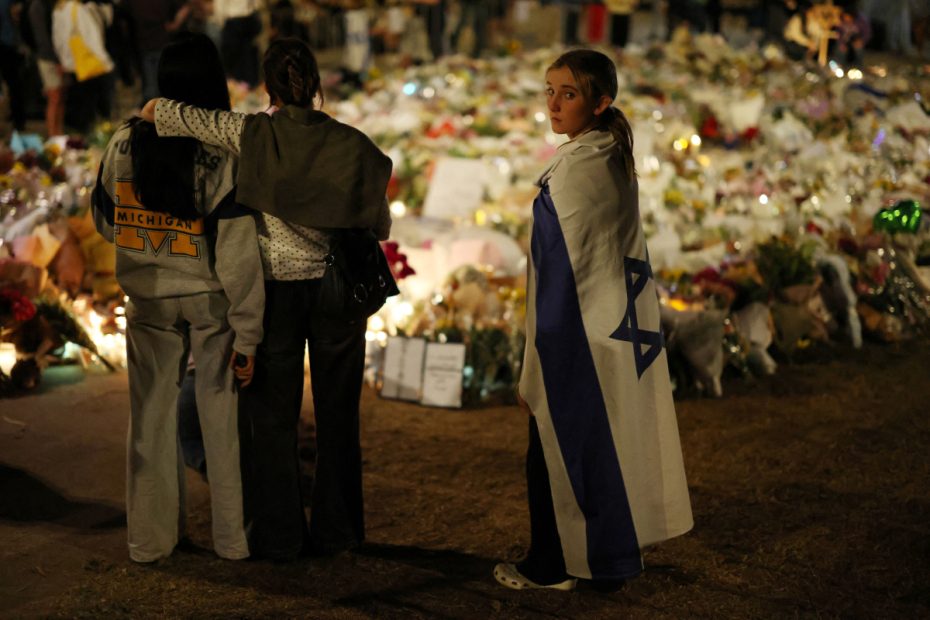
In the days following the shooting, the community in Bondi has come together in a show of solidarity. On Wednesday, swimmers at Sydney’s popular Bondi Beach held a minute’s silence to honour the victims of the attack.
"This week has obviously been very profound, and this morning, I definitely feel a sense of the community getting together, and a sense of everyone sitting together," Archie Kalaf, a 24-year-old Bondi man, told Reuters.
"Everyone's grieving, everyone's understanding and processing it in their own way," he said.
Local residents expressed a shared sense of mourning and a desire to heal together. Kalaf described the sense of unity in the community, adding that everyone was processing the tragedy in their own way but coming together in a collective moment of grief and understanding.
This outpouring of support from the community reflects the broader response across Australia, where people from all walks of life have come together to mourn the victims and stand against extremism and hate.











What is your opinion on this topic?
Leave the first comment