Australian Prime Minister Anthony Albanese said his government would not assist Australian families of suspected Islamic State (IS) militants return home from a Syrian camp.
“We have a very firm view that we won’t be providing assistance or repatriation,” he told ABC News. He said prosecutions remained possible if they return.
"And so as my mother would say, you make your bed, you lie in it. It’s unfortunate that children are impacted by this as well. But we are not providing any support. And if anyone does manage to find their way back to Australia, then they’ll face the full force of the law, if any laws have been broken,” he added in Melbourne.
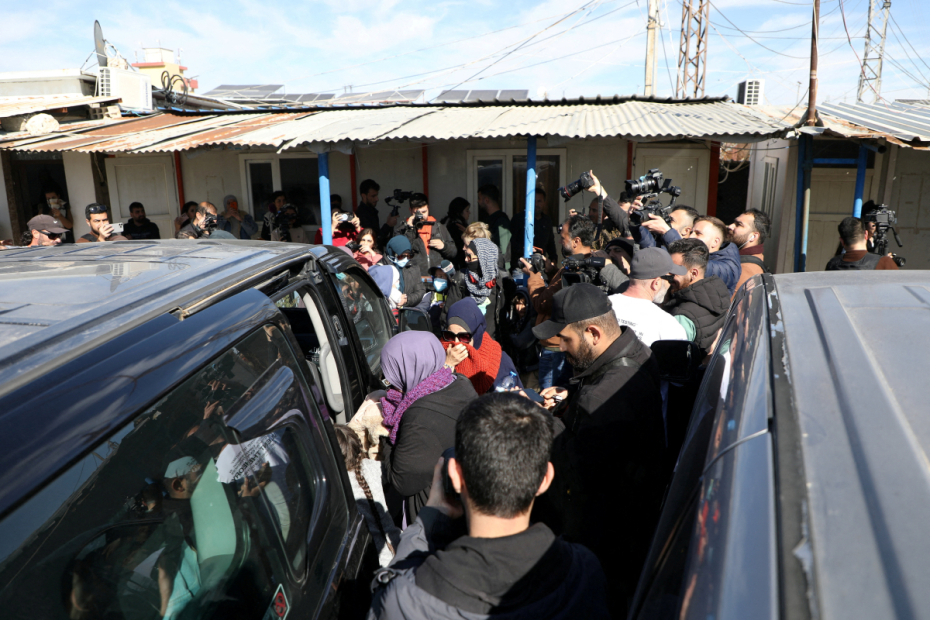
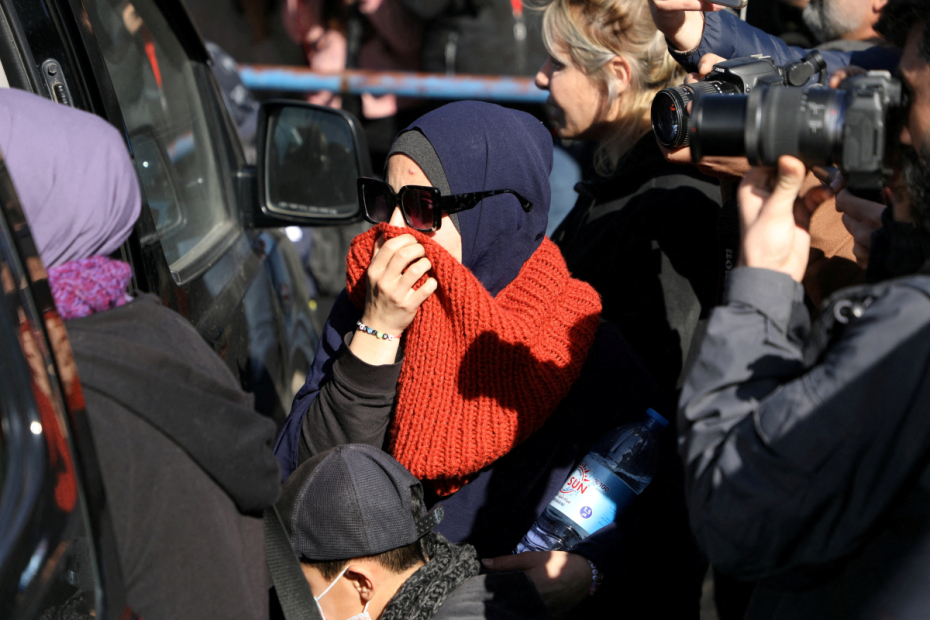
Thirty-four Australians released on Monday from a camp in northern Syria were returned to the detention centre due to “technical reasons,” two sources said.
"It's purely a procedural issue to be resolved today," a Syrian official said.
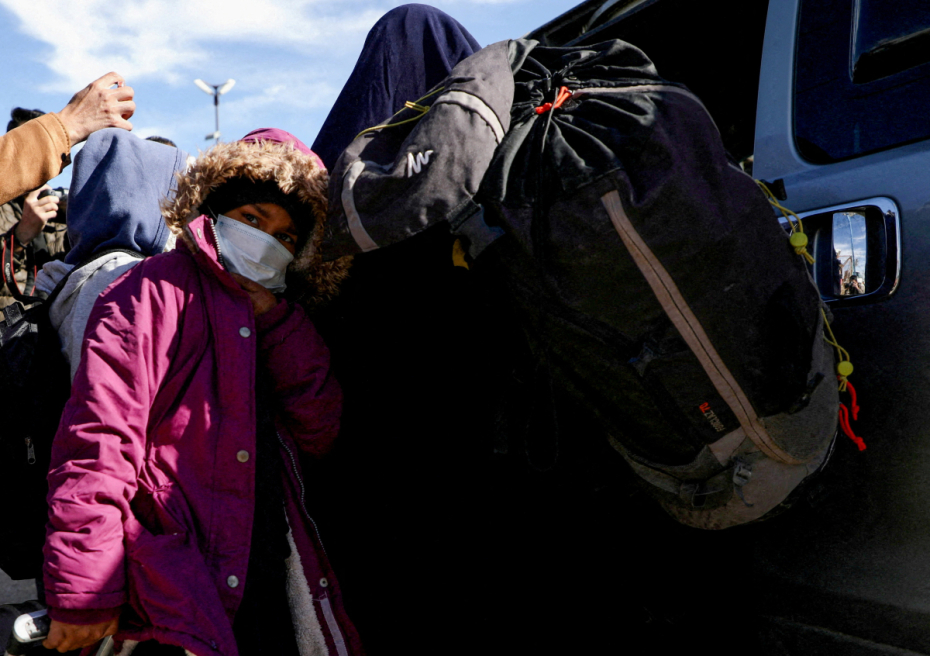
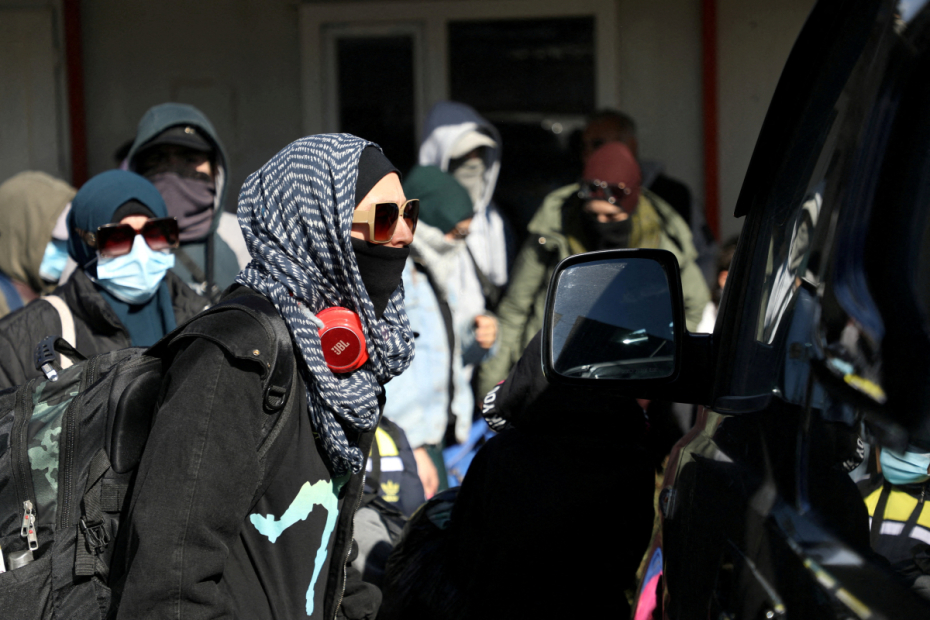
Hukmiya Mohamed, a co-director of Roj camp, told Reuters that they were put on small buses for Damascus ahead of their departure from the country with a military escort.
The group, referred to locally as “IS brides” though it includes children, is expected to travel to Damascus before eventually returning to Australia.
Their return prompted objections from ruling and opposition lawmakers.
Roj camp holds more than 2,000 people from 40 different nationalities, the majority of them women and children.
Thousands of people believed to be linked to Islamic State militants have been held at Roj and a second camp, al-Hol, since the jihadist group was driven from its final territorial foothold in Syria in 2019.
Government warns of legal consequences
A spokesperson for Home Affairs Minister Tony Burke said Australia’s security agencies were monitoring developments closely.
“People in this cohort need to know that if they have committed a crime and if they return to Australia, they will be met with the full force of the law,” the spokesperson said.
IS is listed as a terror organisation in Australia, with membership punishable by up to 25 years in prison. Authorities can also strip dual nationals of citizenship.
Right-wing surge and political reaction
The issue has become politically charged amid rising support for the right-wing, anti-immigration One Nation party led by Pauline Hanson. On Sky News, Hanson said, “They hate Westerners, and that’s what it’s all about. You say there’s great Muslims out there, well, I’m sorry, how can you tell me there are good Muslims?” Members of her party criticised the remarks.
A poll this week put One Nation’s support at a record 26%, above the combined backing for the centre-right coalition now in opposition.
Return under supervision
The United States has urged Australia to repatriate women and children from the Roj and al-Hol camps, warning that leaving them there “compounds risk to all of us”, the Guardian reported last December.
U.S. officials offered to move Australians out if they were issued travel documents, with Adm Brad Cooper saying the camps had become “incubators for radicalisation”.
Human Rights Watch described conditions in the camps as “inhuman, degrading, and life-threatening”, including disease outbreaks, frostbite, fires and limited heating fuel. Notes tendered to Senate estimates last December said the sites were increasingly militarised and that children had been warned they could be shot if they crossed the fences, prompting calls for supervised repatriation.
Liberal Party senator Sarah Henderson said Australians with sympathies towards IS should not be allowed to re-enter.
“If these are people who subscribed to ISIS ideology, who subscribe to this extremist ideology, then they should not be returning to Australia,” she told ABC.
Under both Australian law and international obligations, citizens retain the right to reenter the country.













What is your opinion on this topic?
Leave the first comment