Ukraine: Russian drones damage substation in Odesa region
A barrage of Russian drones targeted and damaged a critical power substation in Ukraine's southern Odesa re...
A SpaceX capsule carrying a four-member crew home from orbit in an emergency return to earth necessitated by an undisclosed serious medical condition afflicting one of the astronauts splashed down safely early on Thursday (15 January) in the Pacific Ocean off California.
The Crew Dragon capsule parachuted into calm seas off San Diego at about 12:45 a.m. EST (0845 GMT), capping a 10-hour-plus descent from the International Space Station and fiery re-entry through Earth's atmosphere, carried live by a joint NASA-SpaceX webcast.
A SpaceX capsule departed the International Space Station on Wednesday (14 January) carrying a four-member crew on an emergency return flight to Earth necessitated by an unspecified serious medical condition afflicting one of the astronauts aboard.
The capsule was carring two U.S. NASA astronauts, a Japanese crewmate and a Russian cosmonaut. It undocked from the space station and began its descent from orbit at about 5:20 p.m. EST (2220 GMT).
Live video from a NASA webcast of the departure showed the capsule separating from the ISS and drifting away from the orbiting laboratory as the two vehicles soared some 260 miles (418 km) over the Earth south of Australia.
The plan to bring all four members of Crew-11 home a few weeks ahead of schedule was announced 8 January, with NASA Administrator Jared Isaacman saying one of the astronauts faced a "serious medical condition" that required immediate medical attention on the ground.
NASA officials have not identified which of the four crew members was experiencing a medical issue or described its nature, citing privacy concerns.
The crew consists of U.S. astronauts Zena Cardman and Mike Fincke, Japanese astronaut Kimiya Yui and Russian cosmonaut Oleg Platonov. They arrived at the space station following a launch to orbit from Florida in August.

China and Russia vetoed a United Nations Security Council resolution on Tuesday aimed at coordinating defensive efforts to protect commercial shipping in the Strait of Hormuz, leaving no agreed international framework for securing the vital route.
Lebanon’s Hezbollah said it had stopped firing on northern Israel and Israeli forces on Wednesday as part of a two-week ceasefire in the Middle East brokered between the United States and Iran. However, a Hezbollah lawmaker warned that the pause could collapse if Tel Aviv does not adhere to it.
Pakistan’s Prime Minister Shehbaz Sharif said Iran and the United States, along with their allies, have agreed to an immediate two-week ceasefire covering all areas, but Israel says the deal excludes Lebanon. Tel Aviv says the U.S. is committed to achieving shared goals in upcoming negotiations.
Recent U.S. complaints about NATO allies and threats to quit the alliance are pushing European countries to seek alternative security arrangements, Spanish Foreign Minister Jose Manuel Albares said on Tuesday.
A train driver has died and several passengers have been injured after a high-speed train collided with an army lorry carrying military equipment at a level crossing in northern France on Tuesday morning (7 April), the local prefecture and railway operators said in separate statements.
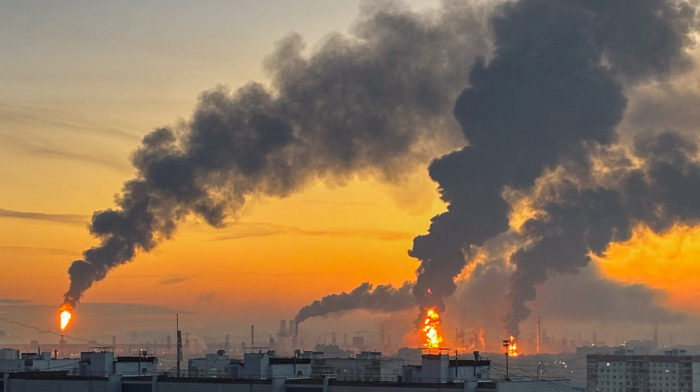
A barrage of Russian drones targeted and damaged a critical power substation in Ukraine's southern Odesa region on Wednesday, Ukrainian officials confirmed.
Start your day informed with the AnewZ Morning Brief. Here are the top stories for 9 April, covering the latest developments you need to know.
Greece will ban access to social media for children under 15 from 1 January 2027, Prime Minister Kyriakos Mitsotakis said on Wednesday, citing rising anxiety, sleep problems and the addictive design of online platforms.
Trade discussions between China and the U.S. are expected to remain virtual for now, with no major investment initiatives planned before a potential meeting between Xi Jinping and Donald Trump, according to U.S. Trade Representative Jamieson Greer.
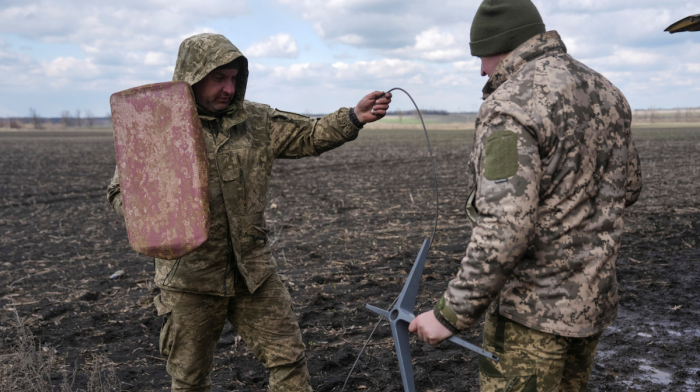
The Russian T-90M tank is worth an estimated $4.5 million and was designed to dominate the battlefield. Yet this steel giant has repeatedly been destroyed by something far smaller, faster and thousands of times cheaper: the drone.
You can download the AnewZ application from Play Store and the App Store.
What is your opinion on this topic?
Leave the first comment