Merz heads to China to boost dialogue on global challenges
German Chancellor Friedrich Merz is heading to Beijing on for his first official visit as chancellor, aiming to strengthen political and economic dial...
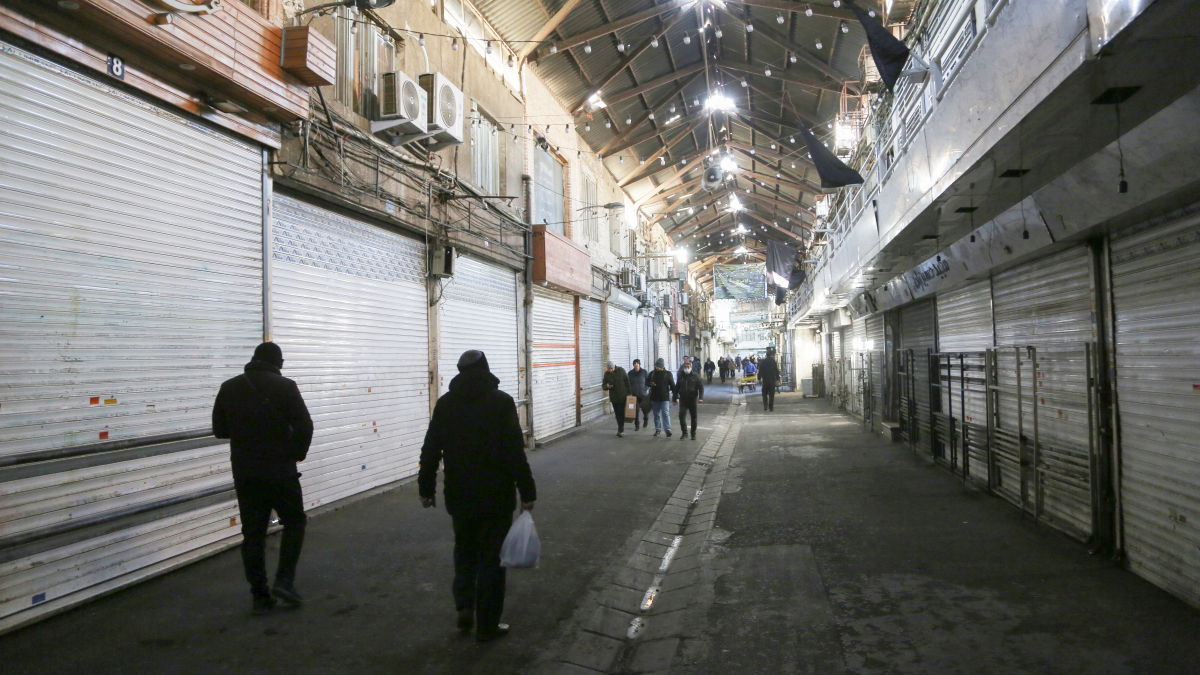
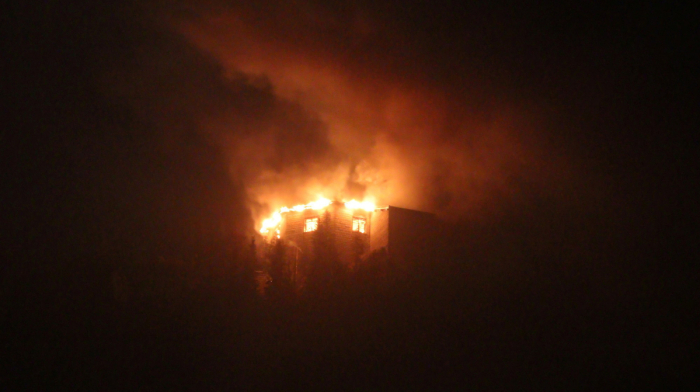
At least 16 people have been killed during a week of unrest in Iran, rights groups say, as demonstrations over soaring prices spread nationwide and trigger violent clashes with security forces.
Deaths and arrests have been reported throughout the week by state media and rights groups, though figures vary and cannot be independently verified. The latest unrest marks the biggest protests to hit the country in three years and comes amid deep economic strain and mounting international pressure.
Reuters reported that U.S. President Donald Trump warned Washington could come to protesters’ aid if violence escalated, prompting senior Iranian officials to threaten retaliation against U.S. forces in the region. Supreme Leader Ayatollah Ali Khamenei said Iran would not yield to its enemies, while adding that authorities were open to dialogue but that those he described as rioters should be confronted.
Rights groups offered differing tallies. The Kurdish group Hengaw said at least 17 people had been killed, while the activist network HRANA put the death toll at 16 and said 582 people had been arrested. Police chief Ahmad-Reza Radan said security forces had targeted protest organisers, including online activists, with dozens detained in Tehran over what authorities described as false posts aimed at stirring unrest. The state-affiliated Tasnim said administrators of online accounts urging protests had been arrested.
The most intense clashes have been reported in western Iran, with further confrontations in Tehran and the southern Baluchistan province. In Qom, a conservative clerical centre, local officials said two people were killed, including one who died when an explosive device he had made detonated prematurely.
Protests began among bazaar traders and shopkeepers before spreading to students and provincial cities, where chants against the clerical leadership have been reported. Inflation has exceeded 36% since March, the rial has lost around half its value against the dollar, and sanctions linked to Iran’s nuclear programme have added to economic pressure. Authorities have combined pledges of dialogue with forceful measures to quell dissent.
Vice President Mohammadreza Aref said the government recognised shortcomings but warned that some were seeking to exploit the demonstrations, urging young people not to fall into what he called the trap of external enemies.

Further Iran-U.S. nuclear talks are scheduled in Geneva on Thursday (26 February) as diplomacy resumes over Tehran’s nuclear programme following earlier mediation efforts. But will the talks move Iran-U.S. negotiations closer to a deal, and what should be expected from the meeting?
The European Parliament’s trade chief has urged a temporary suspension of the EU–U.S. trade agreement approval, citing “tariff chaos” following President Donald Trump’s new 15% tariffs and a U.S. Supreme Court ruling invalidating his previous global tariff programme.
Iran has signed a secret €500 million arms deal with Russia to rebuild air defences, weakened during last year’s war with Israel, the Financial Times has reported. The agreement, signed in December in Moscow, will see Russia deliver 500 Verba launch units and 2,500 9M336 missiles over three years.
A British national was among at least 19 people killed when a passenger bus plunged off a mountain highway into the Trishuli river in Nepal before dawn on Monday (23 February), authorities said. A New Zealander and a Chinese national were among those injured.
Seven people were killed after gunmen ambushed a police patrol in Kohat, a district in Pakistan’s north-west near the Afghan border, on Tuesday, in an attack that comes amid rising militant violence and heightened tensions between Pakistan and Afghanistan.
German Chancellor Friedrich Merz is heading to Beijing on for his first official visit as chancellor, aiming to strengthen political and economic dialogue with China before tackling pressing international crises.
Ukrainian President Volodymyr Zelenskyy has suggested that Hungarian Prime Minister Viktor Orbán should block financial support to Russia rather than Ukraine, as Budapest opposes the European Union’s 20th sanctions package against Moscow.
The Secretary-General of the United Nations, António Guterres, has called for an immediate, full and unconditional ceasefire in Ukraine, describing the conflict as “a stain on our collective conscience”.
Newcastle United secured a 3–2 victory over Qarabağ FK in the return leg of the UEFA Champions League play-offs at St James’ Park.
Laurence des Cars, director of the Louvre Museum, has resigned months after a $102 million daylight heist at the museum, which prompted a parliamentary inquiry.
You can download the AnewZ application from Play Store and the App Store.
What is your opinion on this topic?
Leave the first comment