Washington’s seizure of a tanker carrying Venezuelan oil shows a shift from financial sanctions to direct maritime action, further straining relations with Caracas and increasing risks for global shipping.
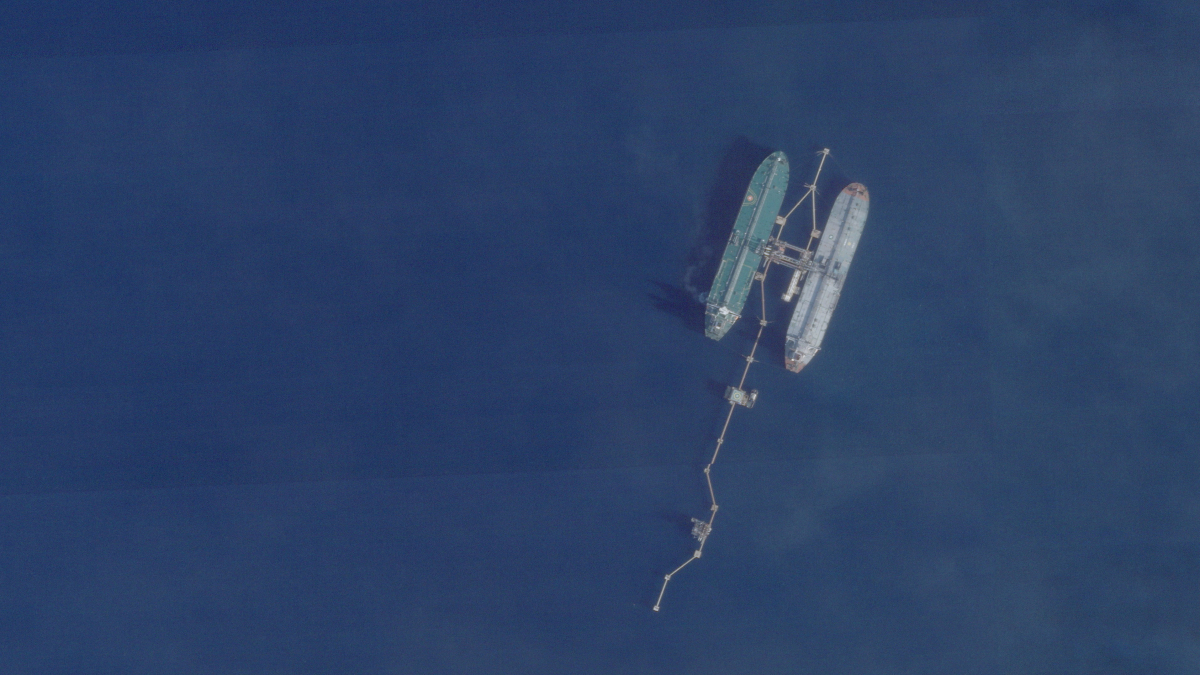
The seizure of the Skipper tanker by U.S. forces on 10 December marks a clear escalation in Washington’s approach toward Venezuela. Unlike earlier sanctions that largely relied on financial restrictions, the operation extends U.S. pressure into the physical movement of Venezuelan crude, signalling a more assertive enforcement phase.
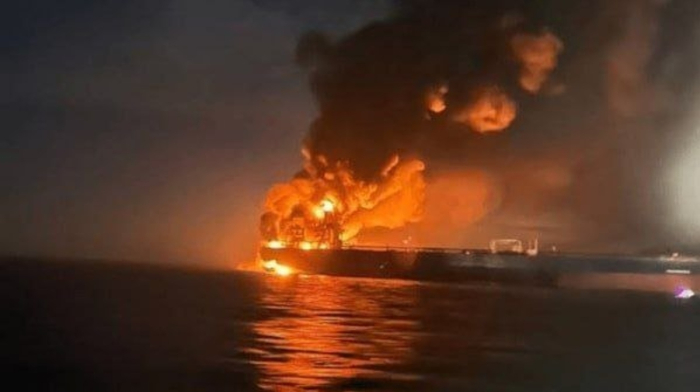
The Skipper, a Very Large Crude Carrier transporting oil subject to U.S. sanctions, was intercepted near Venezuelan waters. Washington said the action took place in international seas and accused the vessel of being part of a wider network designed to evade sanctions and channel funds to designated organisations. Caracas rejected the allegations, branding the move “international piracy” and saying it would raise the issue before international bodies.
A day later, the U.S. Treasury Department announced additional sanctions, reinforcing the message behind the interception. The new measures target individuals linked to President Nicolás Maduro’s inner circle, companies involved in oil transportation, and several supertankers. The freezing of U.S.-based assets and the preparation of a broader list of potential tanker targets suggest that further interdictions could follow.
The shift reflects a move from financial containment to operational interdiction. Rather than relying mainly on banking restrictions, Washington is now directly challenging Venezuela’s ability to ship oil to international markets. This has wider implications for third-party buyers, particularly China, which has played a central role in sustaining Venezuelan exports. By increasing legal and operational risks, the U.S. is signalling that indirect exposure to sanctions could also carry consequences.
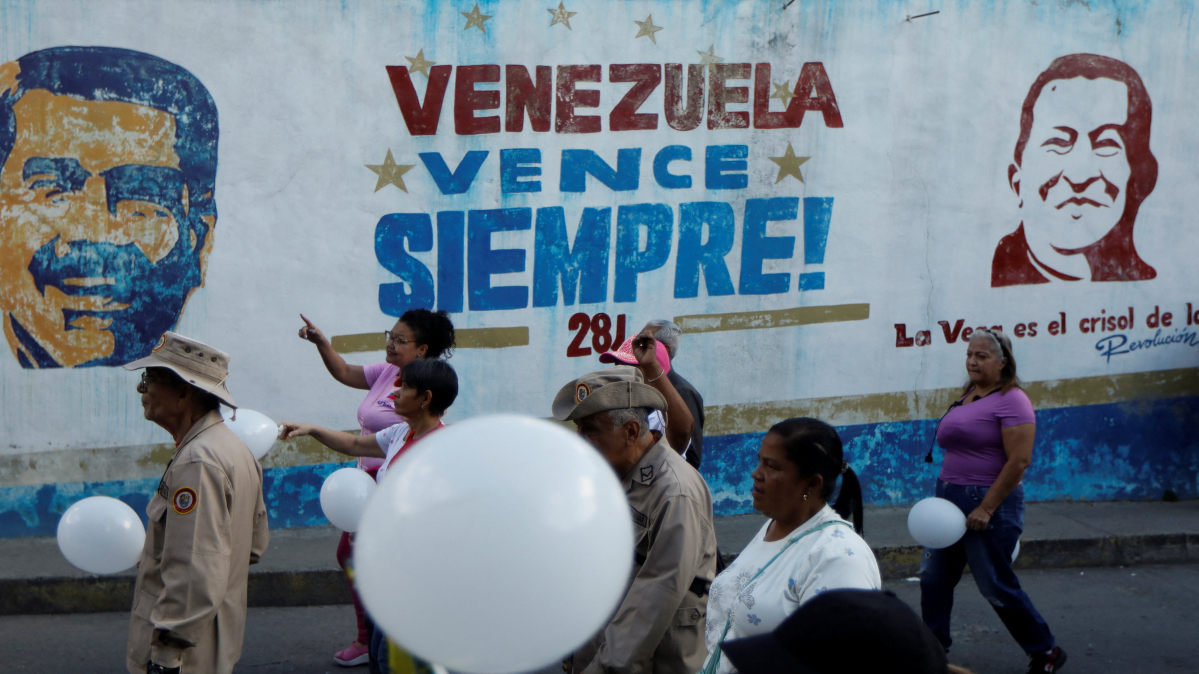
For the Maduro government, the stakes are high. Oil exports remain the country’s main source of hard currency, and sustained disruption to tanker operations would hit state revenues. That could weaken the government’s ability to fund social programmes and maintain political stability. Even so, there are no clear signs of imminent internal collapse, with security forces and key institutions still aligned with the leadership.
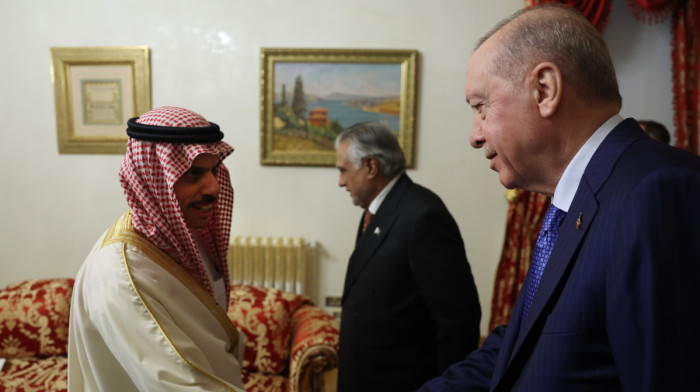
International reactions underline the limits of U.S. pressure. Allies such as Russia, Iran, and Cuba have voiced support for Caracas, while many Latin American governments have taken a cautious approach, avoiding direct confrontation with Washington. Several have framed their responses around dialogue, democratic norms, or respect for international law, reflecting political pragmatism and concern about broader precedents.
Legally, maritime experts note that vessel seizures are not automatically considered piracy if carried out under valid court orders, involving sanctioned entities, or linked to ships with disputed registration. These arguments are likely to form the basis of Washington’s justification for similar actions, even as Venezuela continues to challenge their legality.
Politically, the effectiveness of sanctions remains uncertain. Previous efforts, including the 2019 recognition of Juan Guaidó by Western governments, failed to dislodge Maduro despite intense pressure. While Venezuela’s economy is now weaker, economic attrition alone may still fall short without a unified and credible domestic opposition.
The current U.S. approach appears less focused on rapid regime change and more on long-term economic constraint. By tightening control over oil exports and raising the cost of sanctions evasion, Washington is narrowing Caracas’s options rather than forcing an immediate outcome. The result points to a prolonged period of tension, with implications for global energy flows and international maritime norms.














What is your opinion on this topic?
Leave the first comment