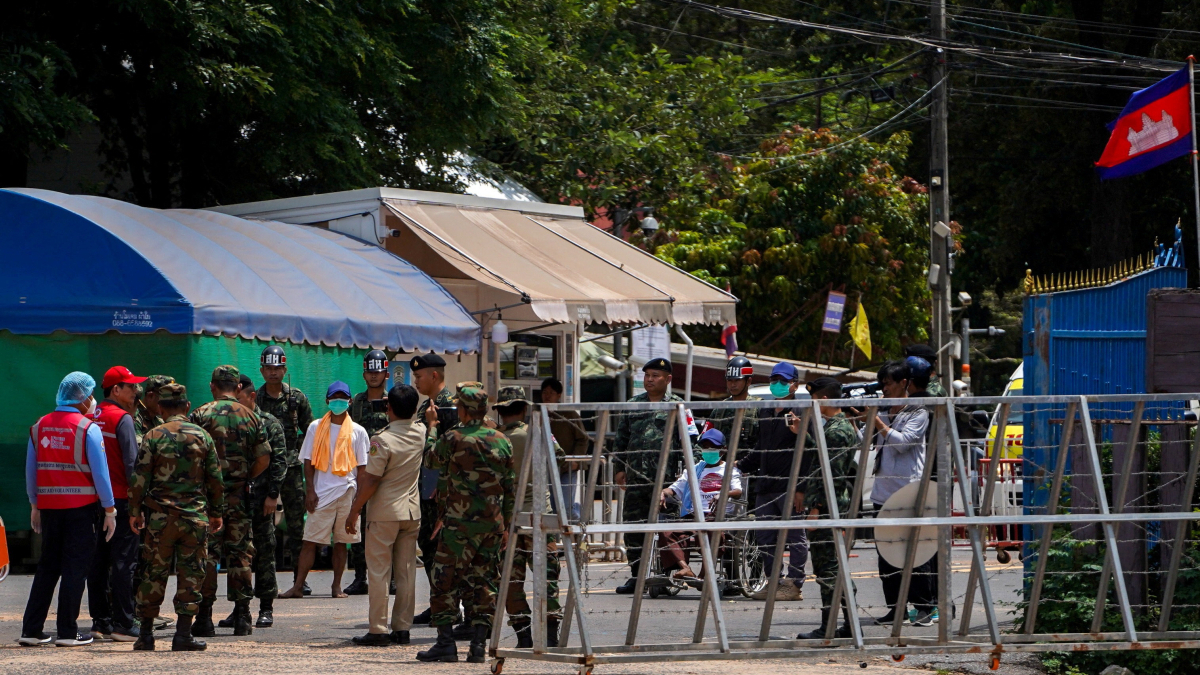
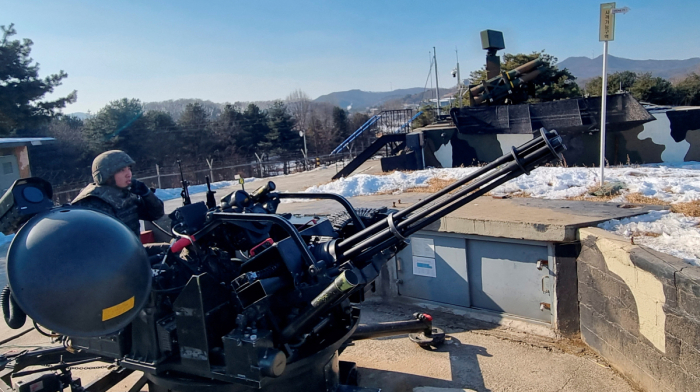
Artillery fire and ground skirmishes have erupted this week along the disputed border between Thailand and Cambodia, shattering a fragile ceasefire and displacing tens of thousands of civilians in the worst outbreak of violence between the neighbours in years.
The renewed hostilities centre on the heavy militarised border in Oddar Meanchey province, where longstanding territorial disputes over ancient Khmer temples have frequently severely tested diplomatic relations.
Cambodian officials have accused Thai forces of an act of "profound immorality," claiming that heavy fire has destroyed the ancient Prasat Ta Krabey temple (known as Prasat Ta Khwai in Thailand). The structure, which dates back to the Angkorian era, sits in a claimed overlapping area that has been a flashpoint for nationalist sentiment in both nations for decades.
According to Phnom Penh, the civilian death toll on the Cambodian side has risen to nine, with at least 20 people injured. The violence has triggered a humanitarian crisis, with Cambodia’s Ministry of Defence reporting that more than 50,000 residents from border towns have been forced to flee their homes for emergency shelters.
Maly Socheata, a spokeswoman for the Cambodian Defence Ministry, defended the military's engagement, insisting their actions were strictly reactive.
"The ministry of national defence reiterated that the goal of the attacks is the self-defence of Cambodia," Socheata said.
"We only targeted the Thai military, not targeted the civilian people and civilian places. Cambodia always respects and carries out all duties under international laws and especially humanity laws, strictly and clearly."
Diplomatic deadlock
Despite the intensity of the fighting, officials in Phnom Penh insist they remain open to immediate bilateral negotiations. Suos Yara, a senior adviser to Prime Minister Hun Manet, described the conflict as a "lose-lose game" and urged a return to the negotiating table to prevent further loss of life.
"You cannot move Cambodia to anywhere, you cannot move Thailand to anywhere– so we better come to a consensus," Yara stated.
"For Cambodia's side, we always open the door... But who is now responsible from the other side? They should have some people responsible that we can say yes or no; we can de-escalate," Yara added.
However, the mood in Bangkok appears far less conciliatory. The Thai military has confirmed that three of its soldiers have been killed and 68 wounded in the exchanges. Tens of thousands of Thai villagers living along the frontier have also been evacuated to safety.
Signalling a hardening of positions, Thailand’s Foreign Minister dismissed the potential for immediate talks in a recent interview, stating the environment was not conducive to third-party mediation.
This sentiment was echoed by a top Thai general, who declared on Monday that the army's objective was to "cripple Cambodia’s military capability for a long time to come."
Malaysia's involvement
Malaysia's Prime Minister Anwar Ibrahim said he had spoken to the prime ministers of Thailand and Cambodia on Tuesday (9 December) and appreciated their openness to continue negotiations amid fighting between the two countries.
"I appreciate the openness and willingness of both leaders to continue negotiations in order to ease tensions and avoid any misunderstandings that could worsen the situation," Anwar said in a post on X on Wednesday, referring to Tuesday's calls, adding that a definitive resolution had yet to be reached.
U.S . intervention
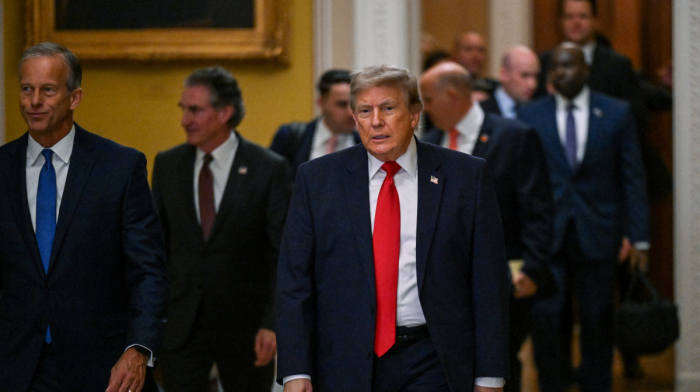
The collapse of the ceasefire, which was brokered by the United States in July, has drawn the attention of Washington. U.S. President Donald Trump, citing his administration's "peace through strength" doctrine, indicated he would intervene personally to halt the fighting.
"Tomorrow I have to make a phone call and I think they'll get it," President Trump told reporters.
"Who else could say, ‘I’m going to make a phone call and stop a war of two very powerful countries?’ Thailand and Cambodia, they're going at it again. But I'll do it," he added.
U.S. Secretary of State Marco Rubio also issued a statement calling for an immediate halt to hostilities, urging both parties to return to the de-escalatory measures agreed upon at an October summit held in President Trump's presence.
It remains unclear exactly what incident triggered this latest round of hostilities, which follows a pattern of periodic flare-ups often driven by domestic politics and unresolved border demarcations.
Despite pledges of commitment to peace from both governments, there are currently no signs of an immediate withdrawal, leaving tens of thousands of displaced families facing an uncertain future.










What is your opinion on this topic?
Leave the first comment