China's emissions data shows bigger drop than previously reported
China’s carbon emissions grew far less than previously thought over the past five years, according to a new analysis that is drawing close attention...
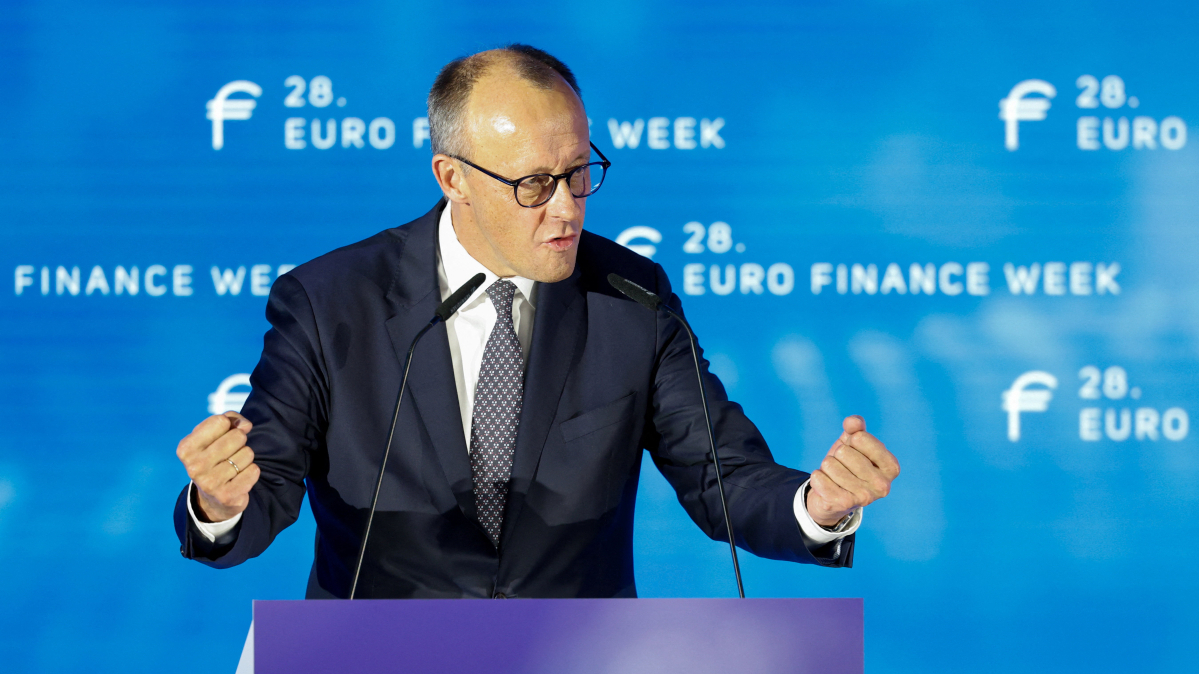
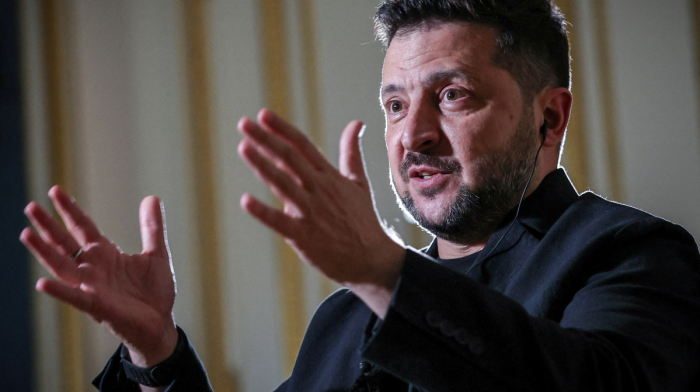
German Chancellor Friedrich Merz said on Monday that the European Union must transform into a European defence union amid growing international security challenges.
He made the comment at speaking at a business summit on Monday (17 November), stressing that Europeans need to take new steps in response to the war in Ukraine, shifts in Euro-Atlantic relations, and China’s increasingly assertive posture.
Merz warned that relying on the U.S. for defence, on China for raw materials, or on Russia to return to the path of peace is no longer viable. He emphasised that Europe must act collectively and strengthen its own defence capabilities.
The Chancellor also highlighted Germany’s responsibility, as the European Union’s largest economy and most populous country, to take a leading role in Europe.
“We bear a far greater responsibility than anyone else to assume leadership within this EU. But that remains empty rhetoric if not backed by action,” he said.
Merz described Russia as the greatest threat to Europe, noting that its actions extend beyond Ukraine’s borders through hybrid attacks targeting European liberal democracies. He added that this threat affects not only Ukraine but also Europe’s democracies, freedoms, and way of life.
On transatlantic relations, Merz pointed to tensions with the U.S. over tariffs and policy decisions that have created a deep rift across the Atlantic. He also raised concerns about developments in Southeast Asia, saying China is becoming more repressive at home and more aggressive abroad.
Concluding his speech, Merz stressed that the global order is undergoing a fundamental shift and Europe must actively participate in shaping the new order. He called for strengthened unity among EU members and closer cooperation with partners such as the UK, Türkiye, and Norway.

Start your day informed with the AnewZ Morning Brief. Here are the top stories for 26 May, covering the latest developments you need to know.
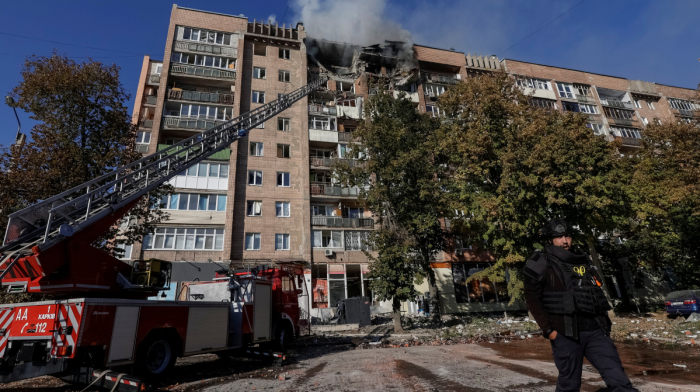
Dozens of people were killed in Israeli strikes on Lebanon on Tuesday, Lebanese officials said, straining a fragile ceasefire agreed between the countries in April. The attacks came as Iran accused the U.S. of violating a separate ceasefire with strikes near the Strait of Hormuz.
Chinese investigators have uncovered hidden tunnels, missing worker trackers and fake underground walls during an initial investigation into the country’s deadliest mining disaster in more than 15 years.
The new AnewZ documentary, TARGET: Yerevan, builds its explosive case on exclusive, secret recordings originally published by Minval Politika.
The visit by U.S. Secretary of State Marco Rubio to Armenia marks one of the clearest signs yet of Washington’s growing interest in the South Caucasus.
China’s carbon emissions grew far less than previously thought over the past five years, according to a new analysis that is drawing close attention from climate researchers worldwide.
Bolivia’s President Rodrigo Paz has taken steps towards potentially declaring a state of emergency as anti-government protests intensify in the early months of his administration.
Norway is set to come under France’s nuclear umbrella, marking a significant shift in European security arrangements as concerns grow over the United States’ long-term commitment to the region.
Britain has announced fresh sanctions targeting cryptocurrency exchanges, financial networks and banks accused of helping Russia evade Western restrictions imposed after the invasion of Ukraine.
Muslims around the world have marked Eid al-Adha with prayers, celebrations and acts of charity, though for many Palestinians the holiday unfolded amid conflict, restrictions and loss.
You can download the AnewZ application from Play Store and the App Store.
What is your opinion on this topic?
Leave the first comment