Fresh observations by NASA’s James Webb Space Telescope and the Chandra X-ray Observatory reveal a massive galaxy cluster forming far sooner after the Big Bang than scientists once thought possible.
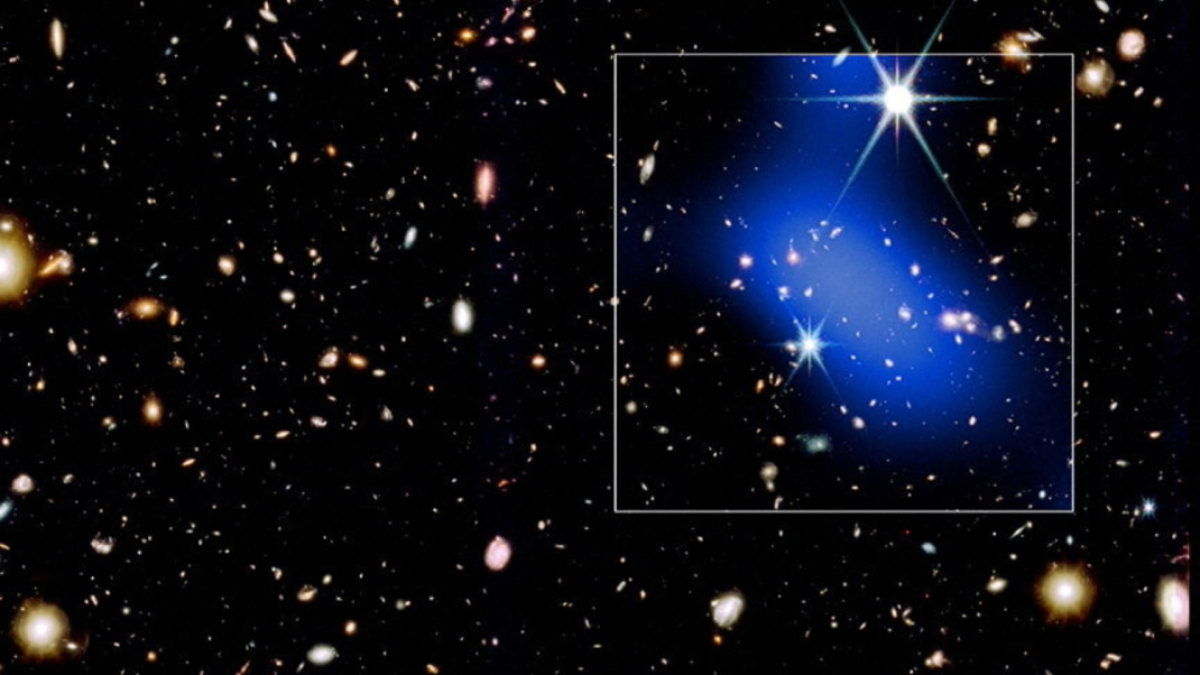
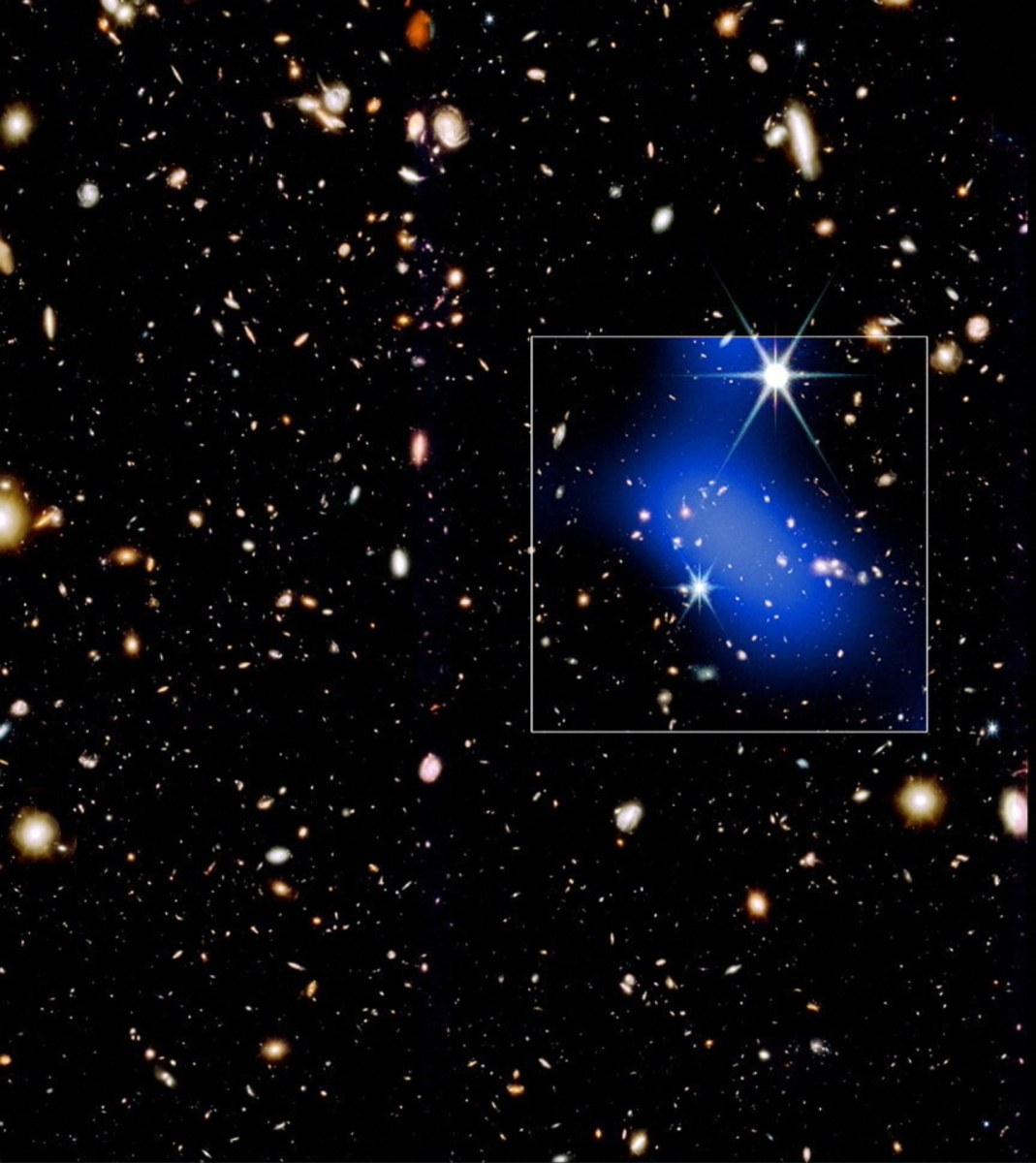
New data show a developing galaxy cluster emerging just one billion years after the Big Bang, far earlier than models predict. Researchers identified at least 66 potential galaxies in the system, with a mass of about 20 trillion suns.
Astrophysicist Akos Bogdan of the Harvard and Smithsonian Centre for Astrophysics said the structure appeared unexpectedly mature.
“These galaxies are embedded in a halo of hot gas heated to millions of degrees, and the whole system is bound together by dark matter,” he noted. Bogdan described the timing as “a genuine surprise”.
Such early development challenges long-held expectations. The universe was not thought to be dense enough for a cluster of this scale to form at that stage, and until now, the earliest comparable object dated to roughly three billion years after the Big Bang.
Co-author Gerrit Schellenberger said the result reinforces a broader shift prompted by Webb’s early-universe discoveries.
“Our findings provide further evidence for a more rapid growth of cosmic structure than is predicted by current cosmological models,” he said, adding that unexpectedly bright young galaxies and early supermassive black holes point in the same direction.
Webb detected the galaxies inside the protocluster, while Chandra confirmed the X-ray glow of superheated gas marking a cluster in formation.
Schellenberger said “the combination of Chandra and Webb observations provides a uniquely powerful window into the early universe”.
The discovery suggests the young cosmos may have organised itself far faster than standard models allow, prompting scientists to revisit how early large-scale structures took shape.




















What is your opinion on this topic?
Leave the first comment