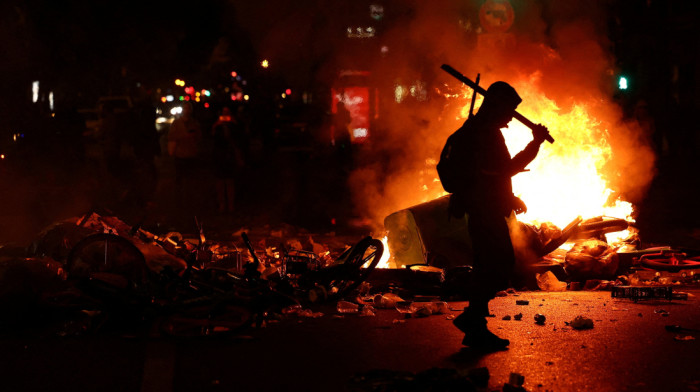
Iran sees surge in protests as unrest spreads nationwide
Protests continued into another day in Iran, with crowds returning to the streets despite mounting pressure from the authorities. By scale and spread,...
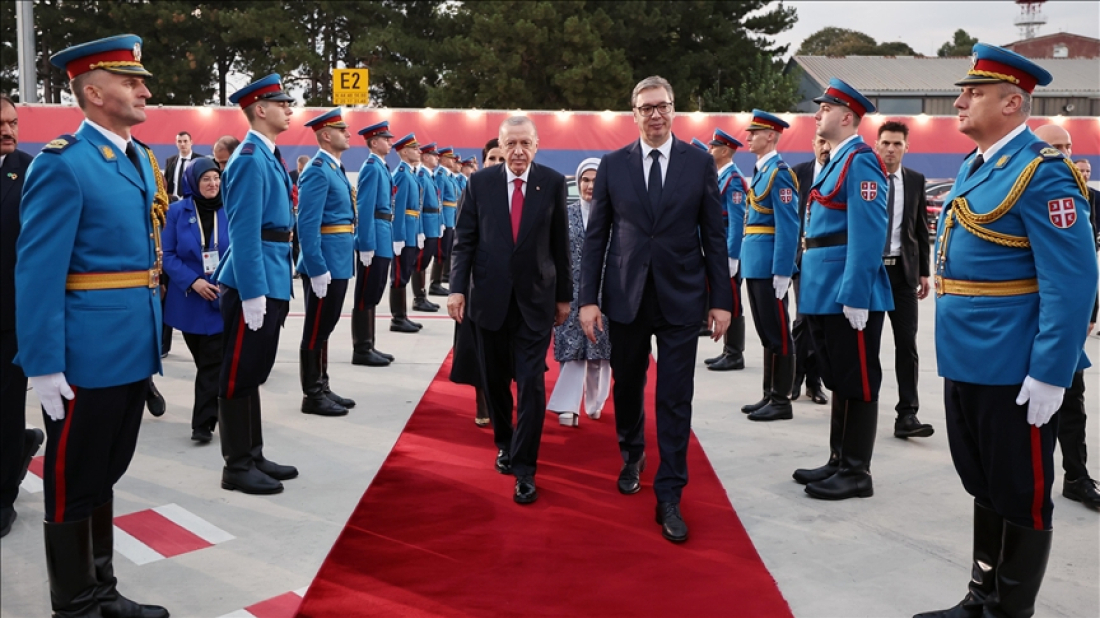
Recep Tayyip Erdogan says Ankara would continue to develop bilateral relations with new Serbian government.
Turkish President Recep Tayyip Erdogan and his Serbian counterpart Aleksandar Vucic discussed regional and global issues as well as bilateral ties in a phone call on Tuesday.
Underlining that friendship and solidarity between the two nations have strengthened, Erdogan expressed Türkiye’s hope for a "new government to be established in Serbia as soon as possible and for peace and stability to be maintained," Türkiye’s Communications Directorate said on X.
Erdogan also said that Ankara would continue to develop bilateral relations with the new government, it added.
"President Erdogan stated that the joint efforts made to increase the areas of cooperation between the two countries, particularly in the defense industry, are expected to bear fruit in the near future,” it further said.
Erdogan also extended his good wishes to Vucic following the Serbian president’s car accident on Feb. 8 and wished him a swift recovery.
Vucic also congratulated Erdogan on his 71st birthday.

Germany’s foreign intelligence service secretly monitored the telephone communications of former U.S. President Barack Obama for several years, including calls made aboard Air Force One, according to an investigation by the German newspaper Die Zeit.
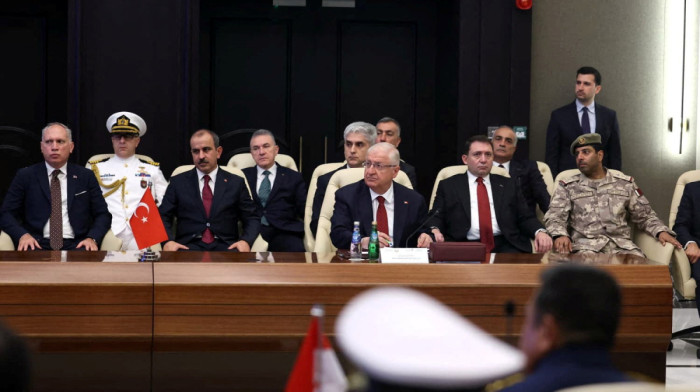
Israeli media report that Israeli Prime Minister Benjamin Netanyahu chaired a lengthy security meeting that reportedly focused on the country’s regional threats, including Gaza, Lebanon, and Iran.
U.S. President Donald Trump said on Sunday (4 January) that the United States could carry out further military action in Venezuela following the capture of President Nicolás Maduro. Speaking to reporters aboard Air Force One, he said Washington now effectively controls the country.
At the end of last year, U.S. President Donald Trump was reported to have raised the Azerbaijan–Armenia peace agenda during a conversation with Israel’s prime minister, warning that if peace were not achieved, Washington could raise tariffs on both countries by 100 percent.
President Ilham Aliyev said 2025 has politically closed the Armenia-Azerbaijan conflict, as a Trump-era reset in U.S. ties, new transport corridors and a push into AI, renewables and defence production reshape Azerbaijan’s priorities.
Protests continued into another day in Iran, with crowds returning to the streets despite mounting pressure from the authorities. By scale and spread, the unrest has entered its most significant phase so far.
International law remains codified through treaties, charters, and resolutions, but enforcement depends largely on political will. When major powers choose not to comply, there is no global authority capable of compelling implementation.
President Ilham Aliyev has said Azerbaijan is not considering participation in any combat or peace enforcement mission in the Gaza Strip, stressing that any discussion of involvement depends on a clearly defined international mandate, the nature of the mission, and the consent of all parties.
Iran has denounced the U.S. detention of Venezuelan President Nicolás Maduro, describing the operation as an ‘abduction’ and calling for his immediate release.
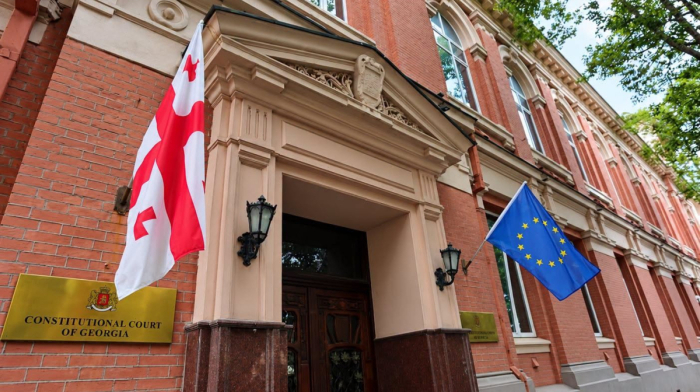
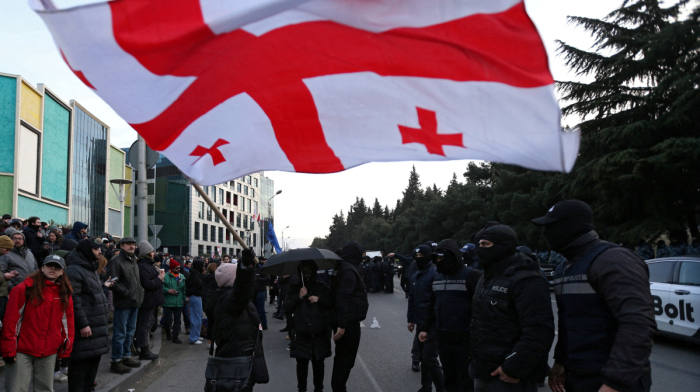
The speaker of Georgia’s parliament, Shalva Papuashvili, has questioned the European Union’s ability to act as a global geopolitical power, saying it no longer functions as a guarantor of international order.
You can download the AnewZ application from Play Store and the App Store.
What is your opinion on this topic?
Leave the first comment