Azerbaijan and Serbia have formally launched a Strategic Partnership Council, marking a new phase in bilateral relations and placing cooperation under direct presidential oversight.
Speaking from Belgrade, AnewZ’s Orkhan Amashov described the new Council as “incredibly important”, noting that although the decision to establish it had been taken earlier, its first meeting was held this week.
He said the format enables the presidents of both countries to directly supervise major projects and prevent bureaucratic delays.
Azerbaijan and Serbia have been strategic partners since 2013, when a joint action plan was adopted. Amashov said the council formalises cooperation at the highest political level and reflects both countries’ ambition to strengthen their regional roles.
Azerbaijan has created similar high-level mechanisms with several states with which it maintains strategic or comprehensive partnerships.
Energy a key focus
Energy remains central to the partnership. Several bilateral documents were adopted during the latest talks, including agreements in the energy sector.
Amashov said Azerbaijan contributes to energy diversification in the Western Balkans as regional states seek alternatives to Russian supplies. Cooperation includes plans for a 500 megawatt gas-fired power plant near Niš, aimed at strengthening Serbia’s domestic generation capacity.
He also noted Azerbaijan’s broader electricity expansion strategy, with plans to add eight gigawatts of generating capacity by 2032, part of which is expected to serve European markets.
Beyond economics, Amashov highlighted the political dimension of the relationship. He pointed to Azerbaijan’s consistent support for Serbia’s territorial integrity regarding Kosovo, despite differing positions with treaty ally Türkiye.
As Serbia advances its European Union accession process, he said closer ties with Azerbaijan enhance Belgrade’s strategic flexibility.
Strategic council launch and agreements
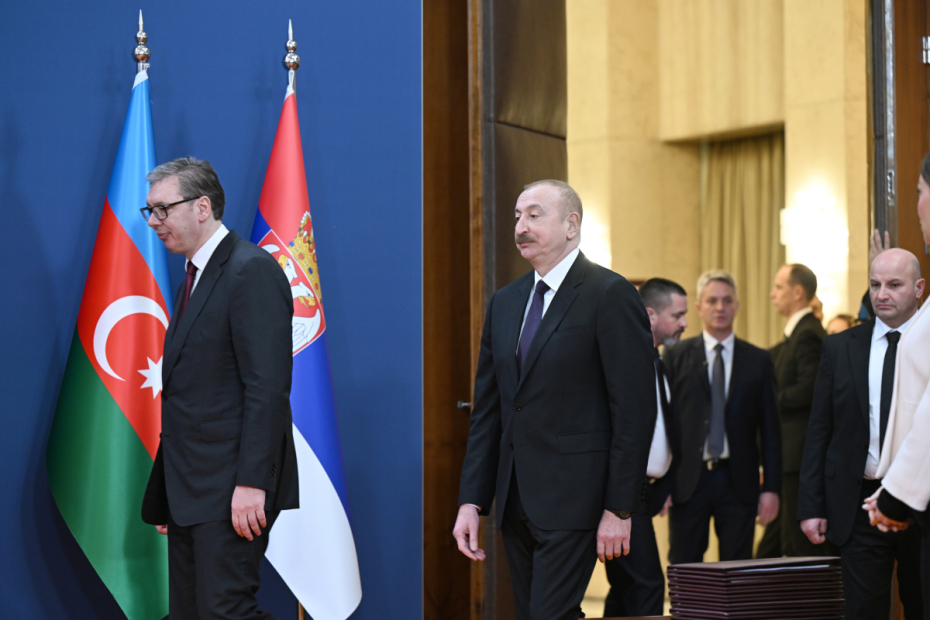
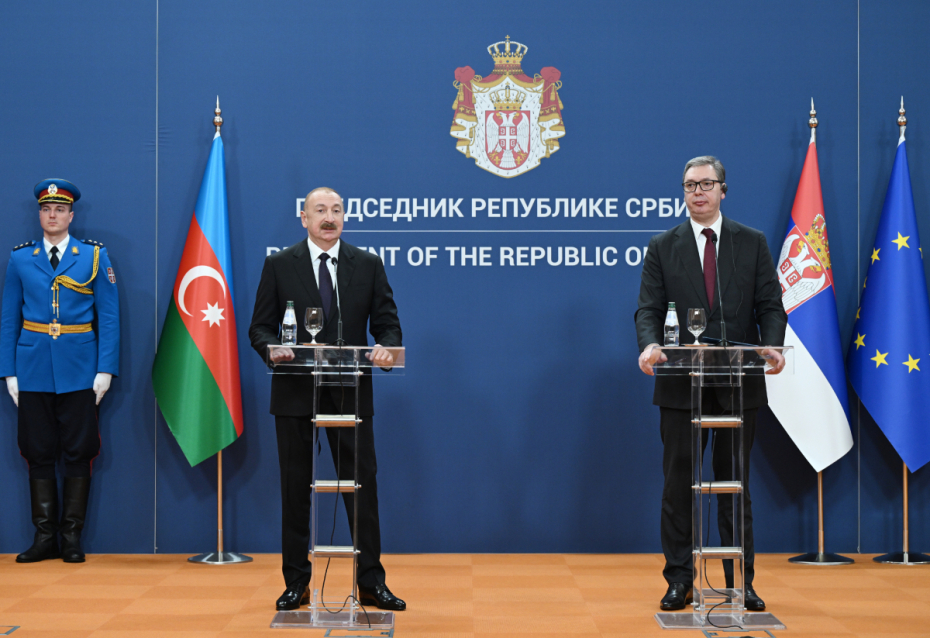
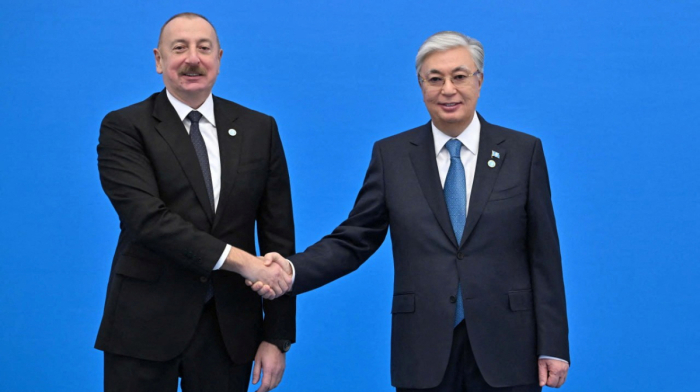
President Ilham Aliyev’s official visit to Serbia on 15 February centred on the inaugural session of the Azerbaijan-Serbia Strategic Partnership Council and the signing of multiple bilateral agreements.
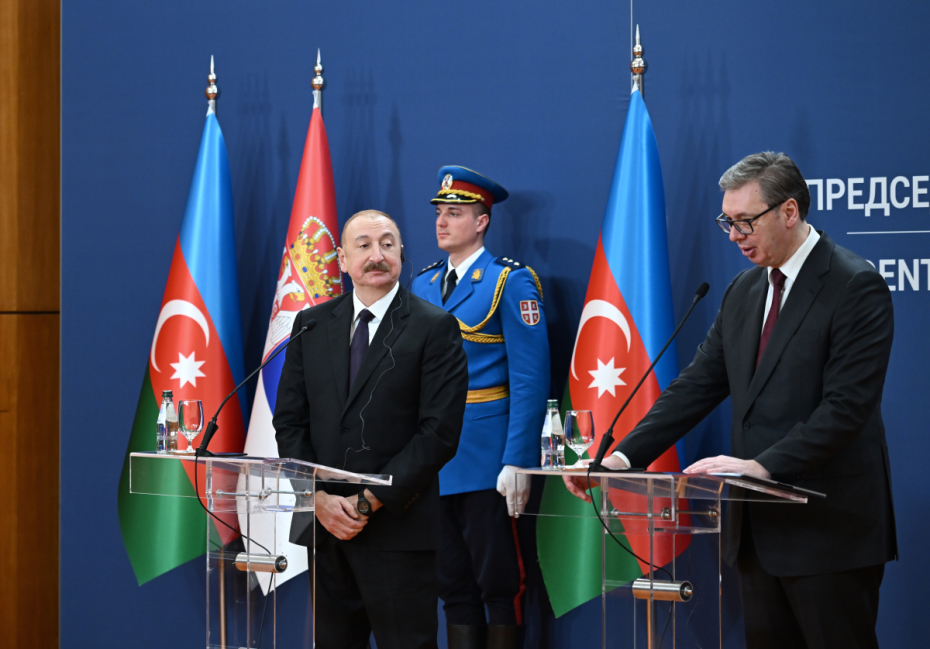
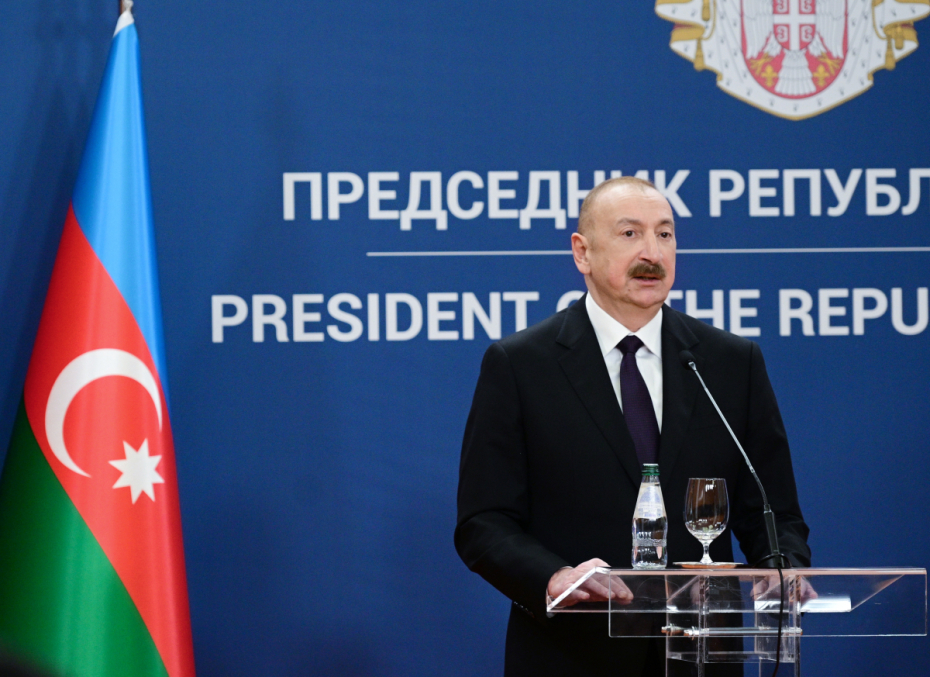
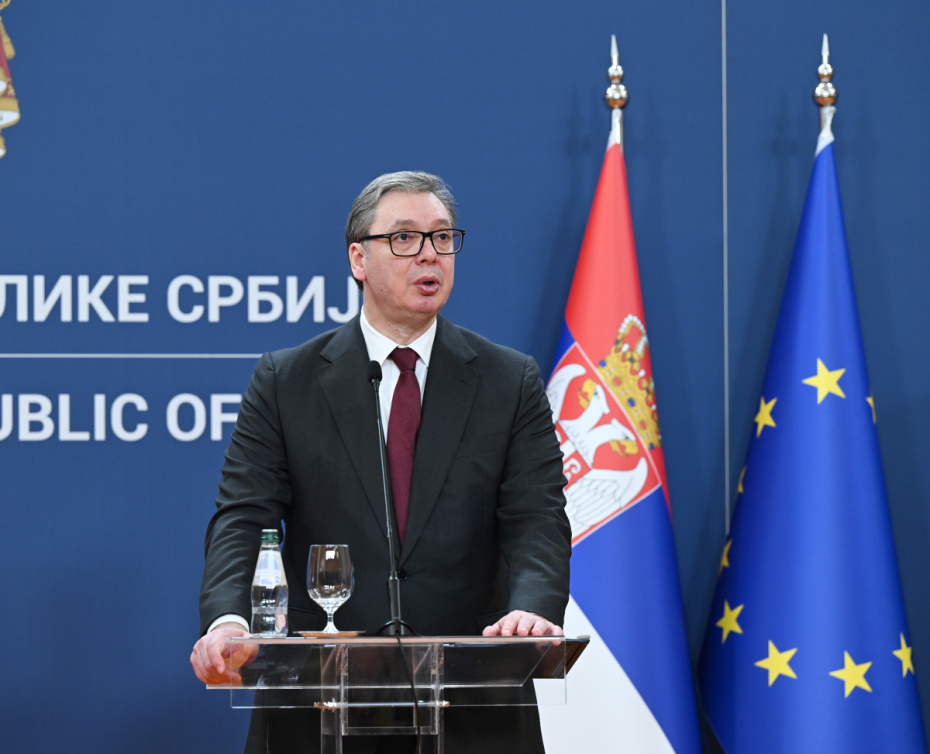
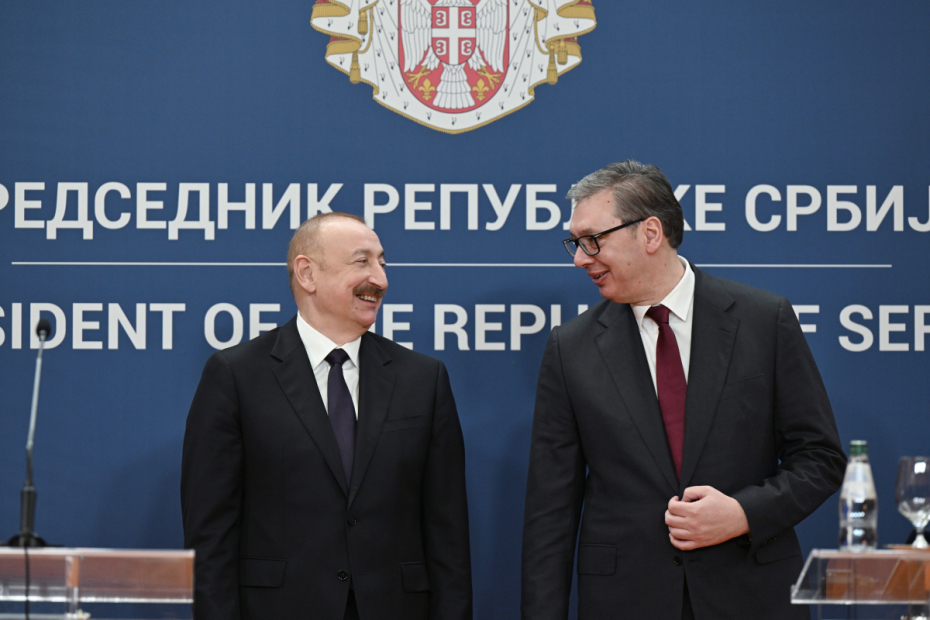
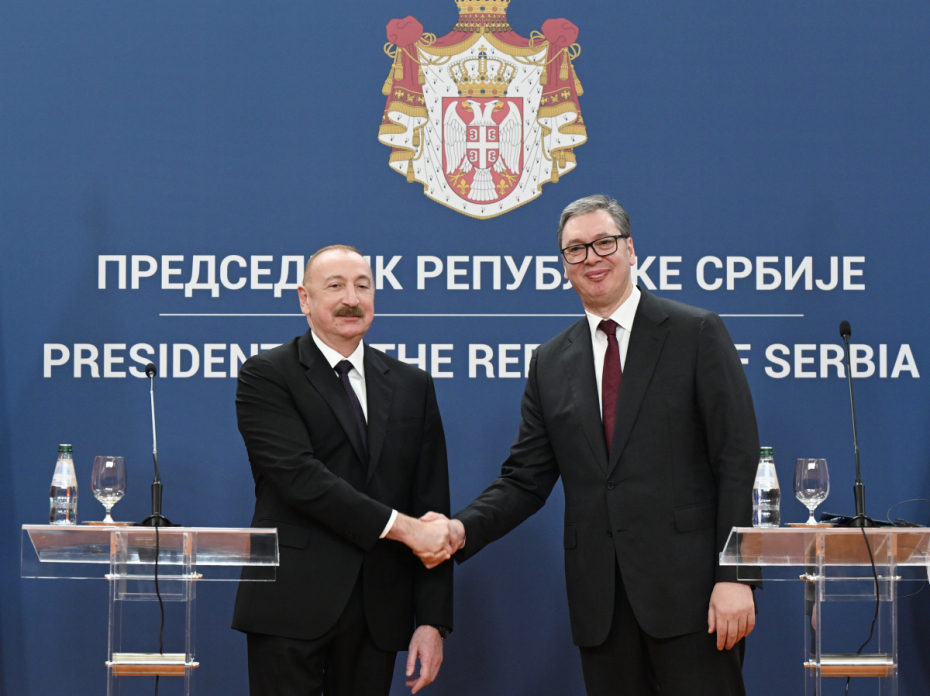
Aliyev was received in Belgrade by Serbian President Aleksandar Vučić with an official ceremony at Nikola Tesla Airport. The two leaders held a one-on-one meeting, chaired the council session and addressed the press.
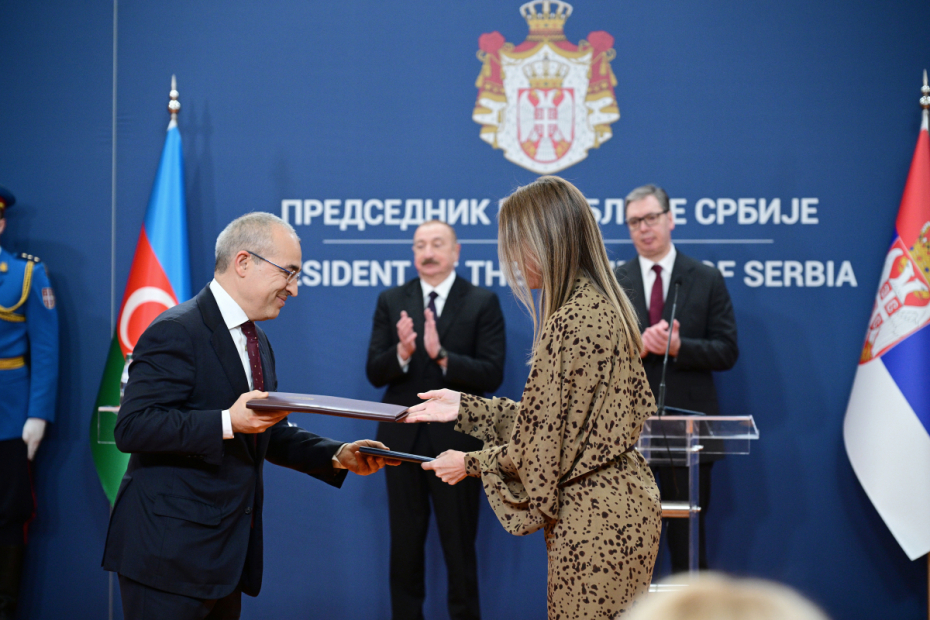
A document exchange ceremony followed, covering cooperation in food security, the design and operation of a gas-turbine power plant, economic coordination, media and communications, culture for 2026 to 2030, sports and health insurance systems.
Both leaders reiterated their commitment to supporting each other’s sovereignty and territorial integrity, with Vučić describing the council session as a turning point in bilateral relations.









What is your opinion on this topic?
Leave the first comment