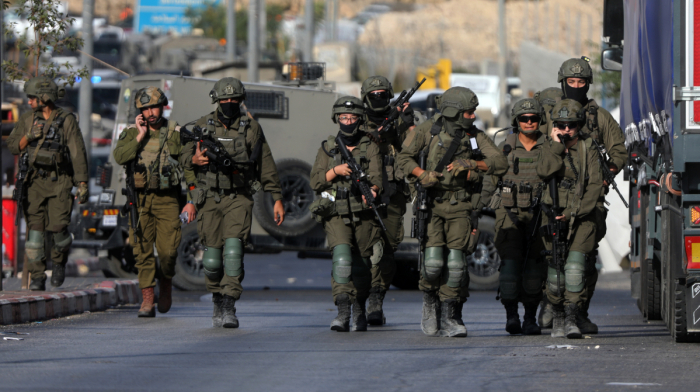
UK officers criticised after dying teen handcuffed at stabbing scene
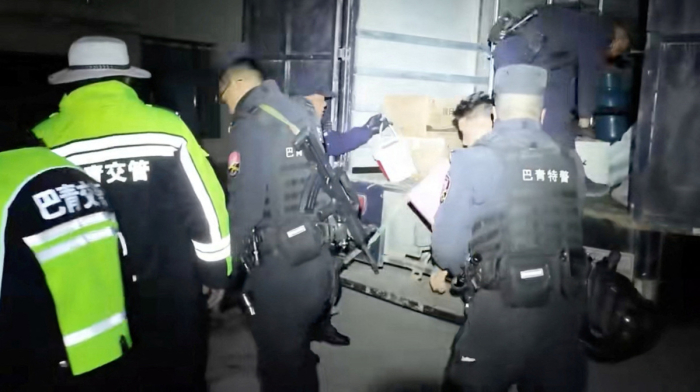
British police are facing a national backlash over their handling of the fatal stabbing of 18-year-old student Henry Nowak, who was handcuffed while d...
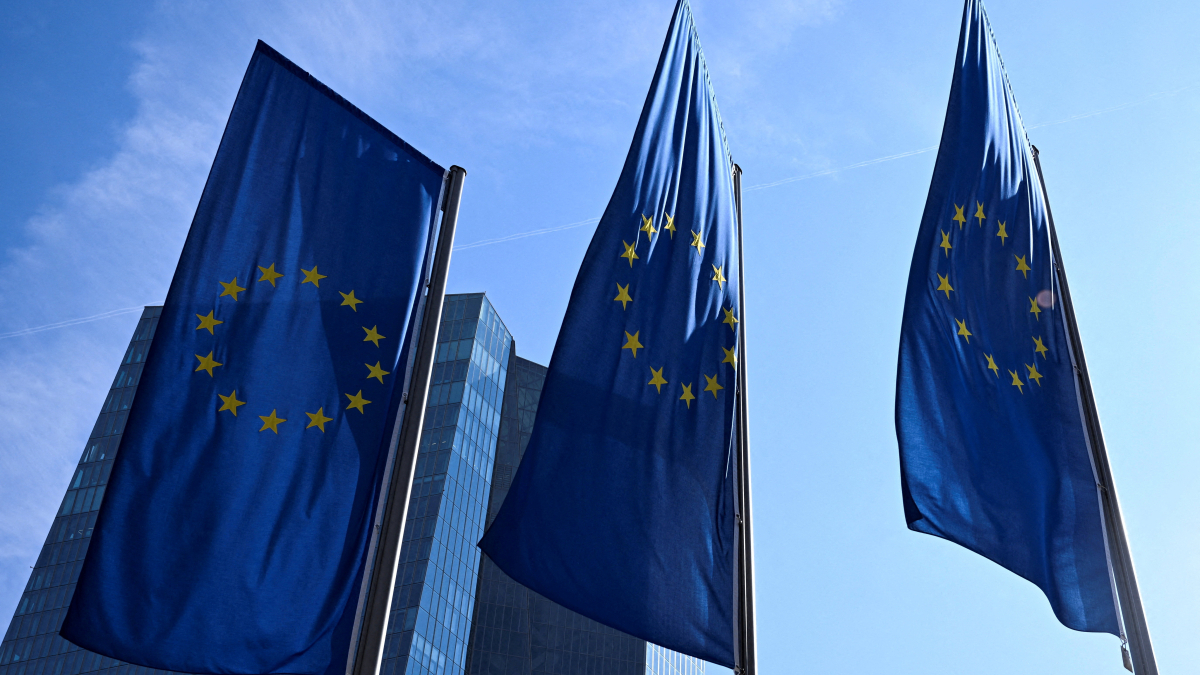
A senior European Parliament figure has criticised remarks by European Commission President Ursula von der Leyen suggesting Turkish influence could threaten Europe.
In a Tuesday social media post, Nacho Sánchez Amor, the European Parliament’s rapporteur on Türkiye, described the remarks as “geopolitically flawed.”
The assertion, he added, was “totally inconsistent with recurrent signals for stronger [EU–Türkiye] cooperation on security and defence.”
European Commission President Ursula von der Leyen made the comments on Sunday at an event in Hamburg organised by Germany’s Die Zeit newspaper.
Speaking at the event, von der Leyen declared that the European Union “must succeed in completing the European continent so that it is not influenced by Russia, Türkiye, or China.”
The remarks raised eyebrows in European policymaking circles, especially given Türkiye’s status as both a long-standing NATO member and an EU candidate country.
In recent years, Brussels and Ankara have maintained a complex relationship.
While they have cooperated on a range of shared challenges, including cross-border migration and trade, they remain at odds over several political and regional issues.
Yet despite these differences, Türkiye is widely viewed as a key partner by the 27-nation European bloc, particularly in managing migration flows and safeguarding NATO’s south-eastern flank.
Turkish officials, meanwhile, have yet to issue a formal response to von der Leyen’s remarks.
In an apparent effort to defuse tensions, an EU spokeswoman later clarified that von der Leyen’s reference to Türkiye was not intended as a direct comparison with either Russia or China.
Speaking to Bloomberg late on Tuesday, she said the comment reflected a recognition of Türkiye’s size and geopolitical standing in the region.
The spokeswoman stressed that Türkiye remains a key partner of the EU - politically and economically - and an “important” member of the NATO alliance.

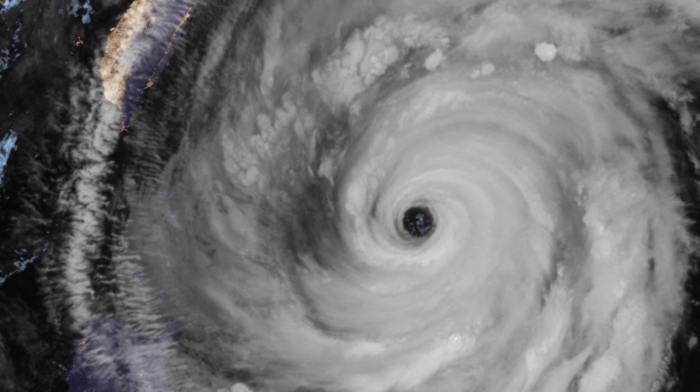
Okinawa lost transport links and suffered widespread power outages on Monday (1 June) as Severe Tropical Storm Jangmi brought destructive winds and heavy rain to Japan's south-western islands.
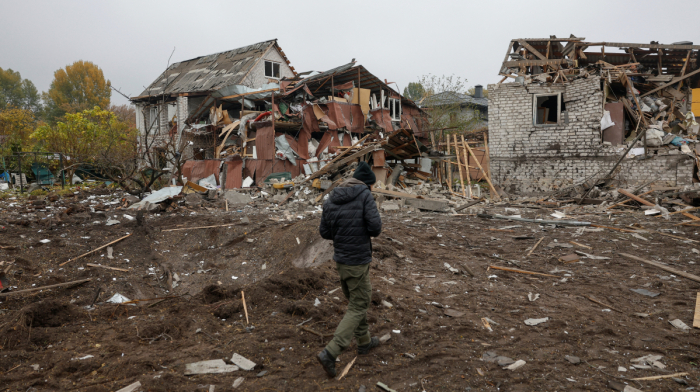
Competing narratives continue to shape perceptions of the war in Ukraine, with Russian leadership suggesting a possible end phase while Ukrainian officials warn of renewed large-scale attacks and ongoing escalation risks.
U.S. Secretary of State Marco Rubio has held talks with Lebanese President and Israeli Prime Minister on efforts to ease tensions between Israel and Lebanon. According to a U.S. official, Washington has proposed a plan aimed at achieving a gradual de-escalation of hostilities.
When Armenians vote on 7 June, they will be voting in an election shaped by months of political change and a rapidly deepening relationship with the European Union. The result may not only determine who governs Armenia but also the future direction of the country's geopolitical alignment.
Unsealed records from the U.S. Department of Justice have renewed scrutiny of lawyer Robert Amsterdam after documents revealed communications between his law firm and Jeffrey Epstein's office. The disclosures have drawn attention because of Amsterdam's prominent role in Armenia.
China’s Special Envoy for Afghanistan, Yue Xiaoyong, has met Pakistan’s Special Representative for Afghanistan, Mohammad Sadiq, in Islamabad to discuss the China-facilitated Urumqi Process and regional security concerns.
International organisations, investors, environmental experts and business representatives gathered in Samarkand for the opening of Eco Expo Central Asia 2026, one of the region's largest environmental events focused on green growth, climate resilience and sustainable development.
Armenian Prime Minister Nikol Pashinyan has said Yerevan remains committed to normalising relations with Azerbaijan and Türkiye, expressing confidence that decades of regional hostility will eventually give way to lasting stability.
Kazakhstan has restored oil production after an accident at the Tengiz oil field briefly disrupted output last week, while also signalling its readiness to increase crude shipments through the Baku–Tbilisi–Ceyhan (BTC) pipeline.
Baku has once again become a focal point for international energy diplomacy, investment and strategic cooperation, as Baku Energy Week brings together policymakers, industry leaders and investors from around the world.
You can download the AnewZ application from Play Store and the App Store.
What is your opinion on this topic?
Leave the first comment