UK imposes fresh sanctions on Russian banks and oil vessels
The United Kingdom has imposed a new wave of sanctions on Russia, targeting key financial institutions, logistics networks and vessels accused of help...
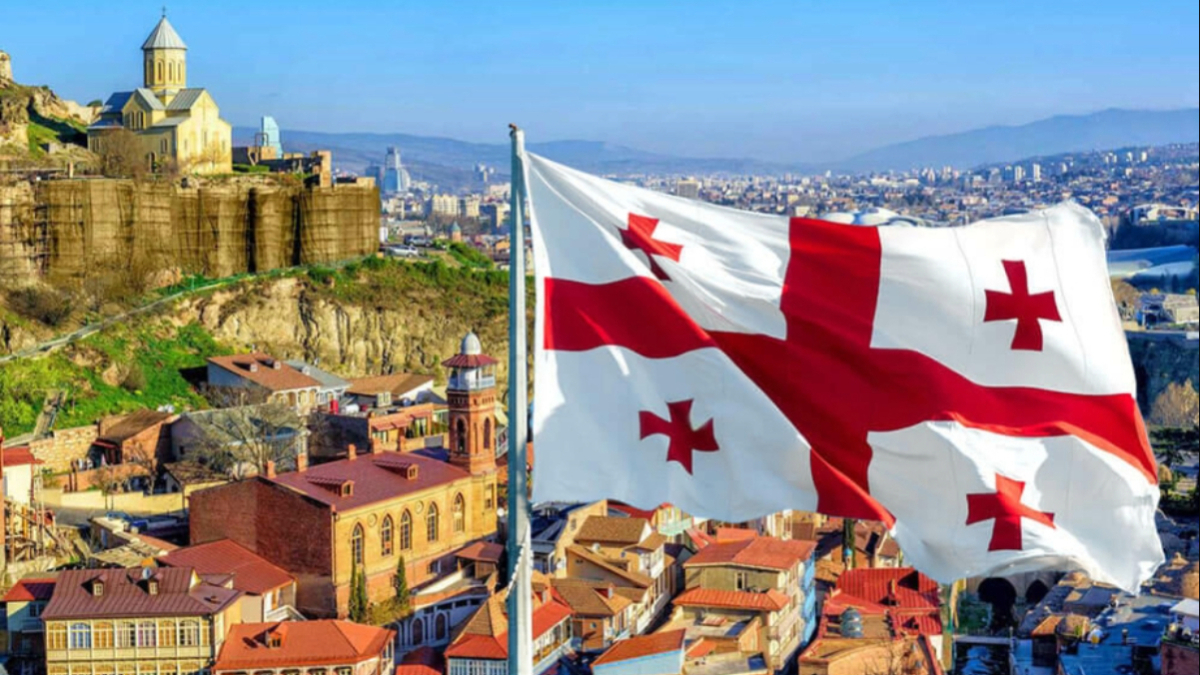
Georgia has introduced changes to its election laws, fuelling renewed debate over transparency and political control in an already tense post-election climate.
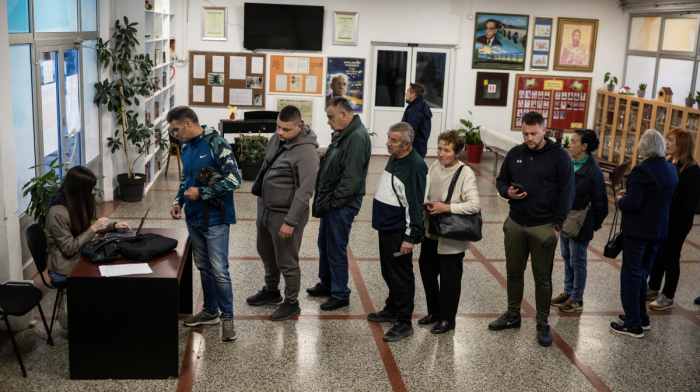
The Parliament of Georgia has approved amendments to the Election Code, stipulating that only foreign nationals may now serve as international election observers.
Previously, Georgian citizens could also participate in international monitoring missions. Under the new rules, this option has been removed. The amendments also introduce clearer procedures for registering interpreters who accompany foreign observers during election periods.
The proposal was put forward by Davit Matikashvili of the ruling Georgian Dream party. He said the change is intended to make election observation more neutral and less influenced by domestic political perspectives.
According to the government, limiting these roles to foreign nationals will reduce the risk of biased reporting and help ensure that international assessments of elections are “objective and free from political interests.”
The move forms part of a broader package of legislative reforms introduced since the disputed 2024 elections. Authorities say the changes are designed to safeguard the state, protect constitutional order, and prevent political interference in key democratic processes.
However, critics argue the decision may have the opposite effect. Opposition figures and civil society groups warn that restricting the involvement of local actors in international observation could weaken transparency and erode public trust in election monitoring.
Election credibility remains a highly sensitive issue in Georgia, where political divisions have deepened in recent months. While the government presents the reforms as necessary for stability, opponents view them as part of a wider effort to consolidate control.

Details of a reported draft memorandum of understanding between the United States and Iran offer the clearest picture yet of how both sides plan to end months of conflict and move towards a longer-term settlement.
The U.S. and Iran say they have reached a deal to end their conflict, with an immediate ceasefire and reopening of the Strait of Hormuz after the lifting of the U.S. naval blockade. Talks will continue over the next 60 days to finalise the agreement
A senior U.S. official said on Monday that the memorandum of understanding linked to the U.S.-Iran agreement had been signed by President Donald Trump, Vice President JD Vance and Iranian Parliament Speaker Mohammad Bagher Qalibaf.
Israeli Prime Minister Benjamin Netanyahu has told U.S. President Donald Trump that Israel does not consider itself bound by a Lebanon-related provision in an emerging agreement with Iran, according to Israeli officials.
Switzerland on Sunday rejected a referendum proposal to cap its population at 10 million, a projection showed, as voters prioritised economic stability and the country's ties with the European Union over immigration concerns.
Oil prices edged lower on Tuesday (16 June) as traders assessed the possibility of oil supplies returning through the Strait of Hormuz following a preliminary agreement aimed at ending the conflict involving Iran.
In an historic milestone for South Caucasus diplomacy, Hikmat Hajiyev, Assistant to the President of the Republic of Azerbaijan, conducted his first working visit to Armenia on 14 June for a high-level meeting with Armen Grigoryan, Secretary of the Security Council of the Republic of Armenia.
Iran has said that reaching an agreement with the U.S. to end the war does not mean Tehran will overlook what it describes as war crimes committed against Iranians by Israel and the United States.
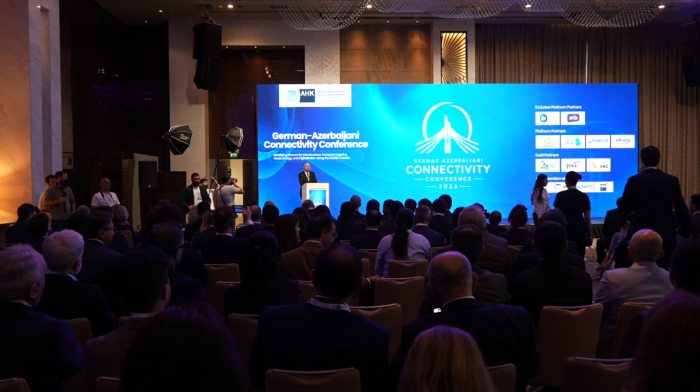
The Trans-Caspian East-West International Transport Corridor, commonly known as the Middle Corridor, is a multimodal trade route linking China and the European Union via Central Asia, the Caspian Sea, the Caucasus and Türkiye.
The United Nations Security Council unanimously extended the United Nations Assistance Mission in Afghanistan (UNAMA) until 17 June 2027 in New York on Monday, preserving its humanitarian, rights and political work.
You can download the AnewZ application from Play Store and the App Store.
What is your opinion on this topic?
Leave the first comment