Georgia’s relationship with the European Union is coming under increasing strain, as Members of the European Parliament openly criticise both the country’s political direction and the EU’s response.
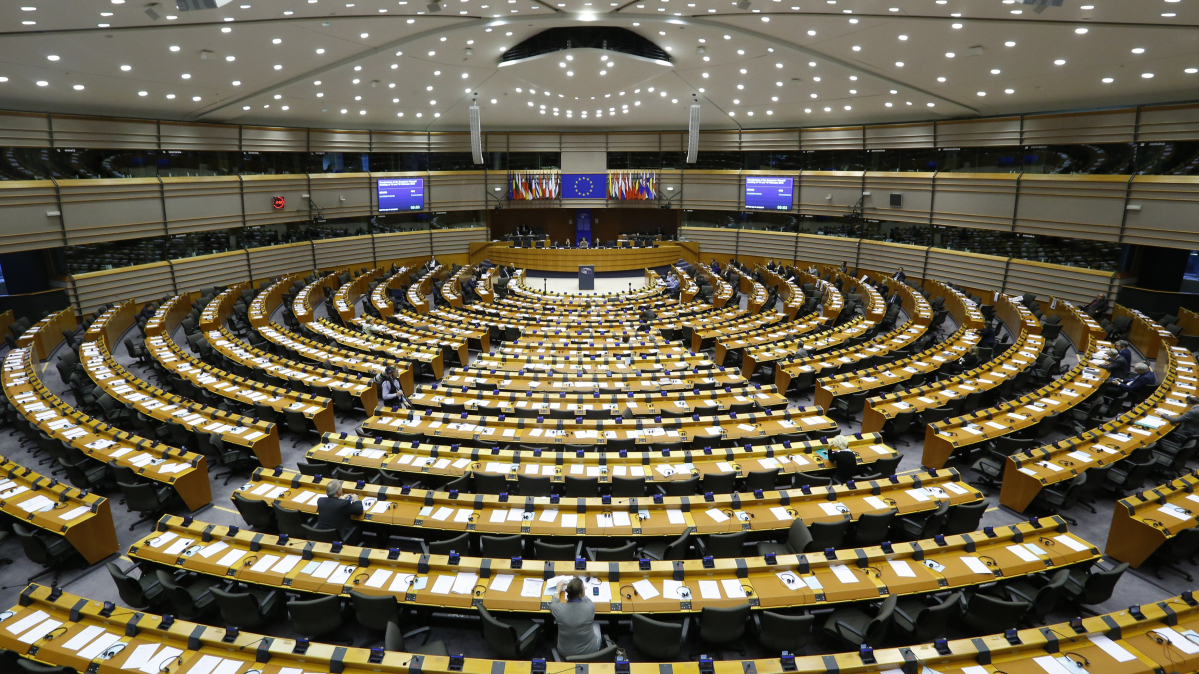
During a debate at the European Parliament’s Human Rights Subcommittee on 19 March, several Members of the European Parliament (MEPs) raised concerns about democratic standards, human rights and media freedom in Georgia - a country that has long sought closer ties with the EU.
Georgia was granted EU candidate status in 2023, marking a significant step towards potential membership. However, relations have since deteriorated, particularly following political developments in 2024 and 2025.
'Nothing meaningful'
Spanish MEP Nacho Sánchez Amor said the EU is “not doing anything” meaningful in response to recent events. While visa restrictions on holders of diplomatic passports have already been introduced, he questioned why stronger, targeted sanctions against officials have not been pursued. He also criticised what he described as a lack of political will within the EU to send a clear message.
Tensions escalated in 2024 when Georgia’s ruling party, Georgian Dream, advanced controversial legislation commonly referred to as the “foreign agents law”. Critics, including the EU, argue that the law risks undermining civil society and independent media by forcing organisations receiving foreign funding to register under stricter rules.
The situation intensified further following the disputed 2024 parliamentary elections and a statement by the prime minister announcing a pause in EU accession negotiations until 2028. These developments triggered large-scale protests in the capital, Tbilisi, which continued into 2025.
Demonstrators accused the government of steering the country away from its long-standing European aspirations. International organisations and media reports have since documented cases of excessive force by police, as well as arrests and the alleged mistreatment of protesters.
Long-term concerns
Lithuanian MEP Rasa Juknevičienė argued that the current situation reflects a deeper, long-term shift. According to her, the leadership of Georgian Dream - founded by billionaire Bidzina Ivanishvili in 2012 - has consistently presented itself as pro-European while gradually consolidating power and weakening democratic institutions.
The debate also highlighted concerns over press freedom. Georgian journalist Guram Rogava described how he was seriously injured while covering protests, stating that he was attacked by riot police despite clearly identifying himself as a member of the media. He added that no meaningful investigation has taken place.
Despite mounting criticism, the European Union has struggled to agree on a unified response. While some member states support stronger measures, including sanctions, others - most notably Hungary - have blocked consensus, limiting the EU’s ability to act collectively.
The Georgian Dream government has not issued new comments during this period, as the country is observing a period of mourning following the death of Patriarch Ilia II, one of Georgia’s most respected religious figures. However, in previous statements, the party has rejected accusations of democratic backsliding, instead accusing the EU of biased assessments and excessive bureaucracy.












What is your opinion on this topic?
Leave the first comment