Russia says it sees no preconditions for resuming political dialogue with Georgia. However, it has simultaneously praised the Georgian government, expanded economic ties, and openly questioned Georgia’s Western-looking aspirations.
This contradiction sits at the centre of Moscow’s latest messaging on Tbilisi and raises uncomfortable questions about where Georgia is heading geopolitically.
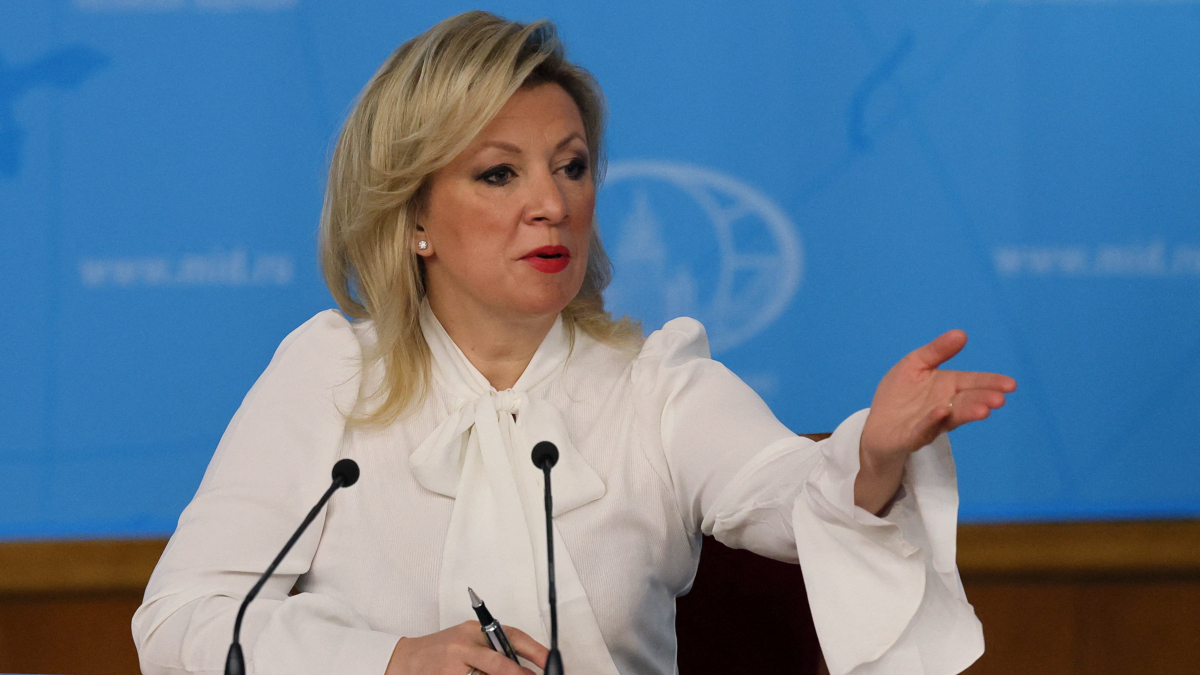
Speaking for the Russian Foreign Ministry, spokesperson Maria Zakharova stated that while political normalisation remains off the table, “positive economic trends” define current relations. She described Russia and the Commonwealth of Independent States as Georgia’s “unalternative” markets, celebrated rising trade and tourism figures, and framed the restoration of air travel as a moral victory of “goodwill” over unnamed hostile forces.
More strikingly, Zakharova praised the ruling Georgian Dream party for, in her words, resisting Western pressure, rejecting the “Ukrainian and Moldovan scenarios,” and defending what Moscow calls “national interests.” She went further, questioning the credibility of Georgia’s NATO and EU ambitions and portraying closer ties with Russia as the pragmatic path to prosperity.
For Georgia, a country with 20 percent of its territory internationally-recognised as occupied by Russia, such rhetoric is not neutral commentary. It is a strategic signal.
Economic leverage over political dialogue
Moscow’s position reflects a familiar pattern: separating economics from politics while using the former to shape the latter. Zakharova emphasised that Russian tourism to Georgia rose by 11 percent last year, reaching 1.6 million visitors. She highlighted trade growth as evidence of mutual benefit. At the same time, she dismissed the possibility of political dialogue, reinforcing Russia’s refusal to revisit the consequences of the 2008 war or its occupation of Abkhazia and South Ossetia.
Georgian Dream’s messaging dilemma
The Russian narrative contrasts sharply with Georgian Dream’s own foreign policy messaging. In recent months, the ruling party has claimed ideological alignment with the new U.S. administration under Donald Trump, presenting itself as a conservative, sovereignty-focused partner of Washington.
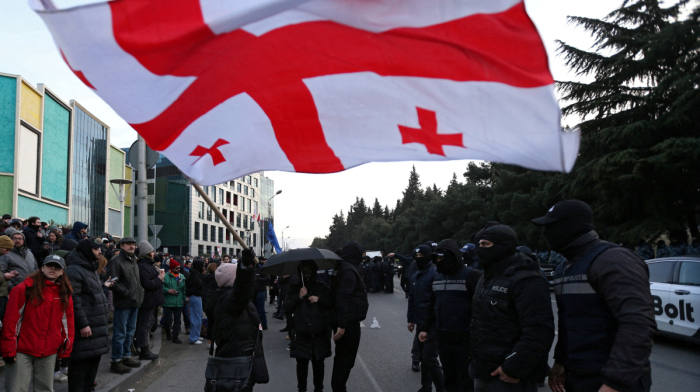
However, Georgia is facing international criticism over restrictions on civil society, media, and freedom of assembly.
Regional context: influence shifting, not disappearing
Zakharova’s remarks also reflect broader regional movement. Russia’s traditional leverage in the South Caucasus has shifted amid the evolving Armenia–Azerbaijan peace process and Moscow’s reduced role as a security guarantor.
Competing narratives, real consequences
The Georgian government insists it is pursuing a balanced, pragmatic foreign policy that protects sovereignty and economic growth. Critics argue that this “pragmatism” increasingly resembles strategic drift — one that erodes democratic credibility while narrowing foreign policy options.
External endorsements matter. When praise comes from the Kremlin rather than democratic partners, it affects how Georgia is perceived internationally — not only as a security partner, but as a political system committed to democratic norms.











What is your opinion on this topic?
Leave the first comment