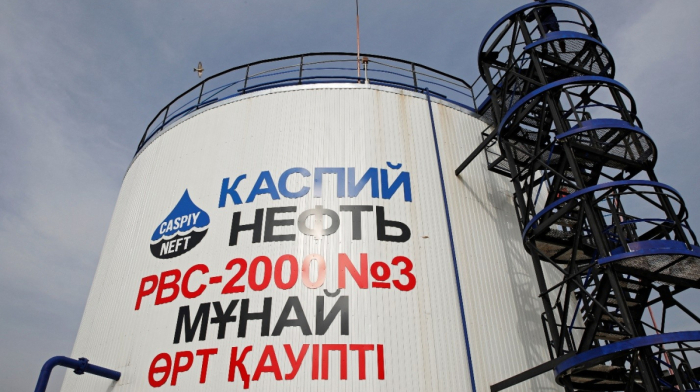
Kazakhstan restores Tengiz oil output and eyes higher BTC exports
Kazakhstan has restored oil production after an accident at the Tengiz oil field briefly disrupted output last week, while also signalling its readine...
The South Caucasus must be ready to take potential business opportunities presented by the conflict in Iran. That’s the opinion of Rusif Huseynov, from the Topchubashov Center think tank, who suggested that investors spooked by instability in the Middle East may shift their focus to the region.
Speaking on AnewZ Day Break programme on Tuesday (3rd March), Huseynov, Director of the Baku-based thinktank, said, “Our geopolitical significance has been elevated, especially in terms of connectivity, but for other reasons as well. Even if the conflict around Iran is coming to an end tomorrow, the instability in the Middle East will definitely last for some time.
“It will scare away investors, businesspeople, [and] other companies who want to deal with the region. And in this case, the South Caucasus may receive huge business opportunities… We must be prepared [to be] able to digest these opportunities.”
Since conflict broke out in Iran and the wider Middle East region at the weekend, flights have been rerouted above Armenia, Azerbaijan and Georgia. Flight trackers show a bottleneck of planes above the South Caucasus, while Iranian airspace remains closed.
Meanwhile the tourism and business hubs of Dubai in the United Arab Emirates (UAE) and Doha in Qatar have been rocked by Iranian missile strikes that have caused airports to suspend flights or close entirely.
Huseynov warned, however, of the risk of the conflict spilling over to Armenia and Azerbaijan and the refugee crisis this could spark.
“The spillover effect of the conflict in and around Iran… would be the worst nightmare for all three South Caucasus countries. [...] It's about the possible exodus of Iranian refugees northward. It can be a humanitarian catastrophe.”
Huseynov added that leaders in Armenia, Azerbaijan and Georgia should make efforts to achieve de-esculation between Iran and the USA. But he admitted that such an outcome was “complicated” to bring about at present.
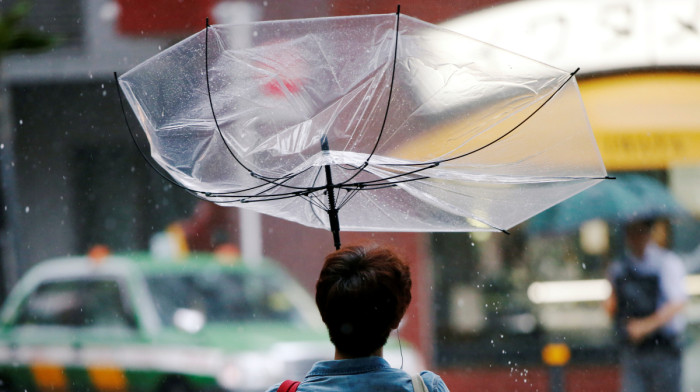
Okinawa lost transport links and suffered widespread power outages on Monday (1 June) as Severe Tropical Storm Jangmi brought destructive winds and heavy rain to Japan's south-western islands.
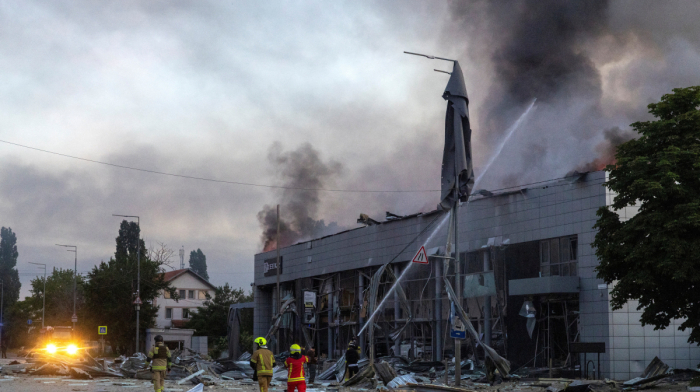
Competing narratives continue to shape perceptions of the war in Ukraine, with Russian leadership suggesting a possible end phase while Ukrainian officials warn of renewed large-scale attacks and ongoing escalation risks.
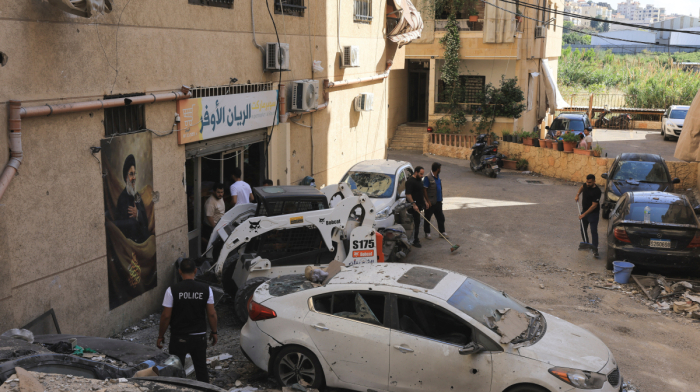
U.S. Secretary of State Marco Rubio has held talks with Lebanese President and Israeli Prime Minister on efforts to ease tensions between Israel and Lebanon. According to a U.S. official, Washington has proposed a plan aimed at achieving a gradual de-escalation of hostilities.
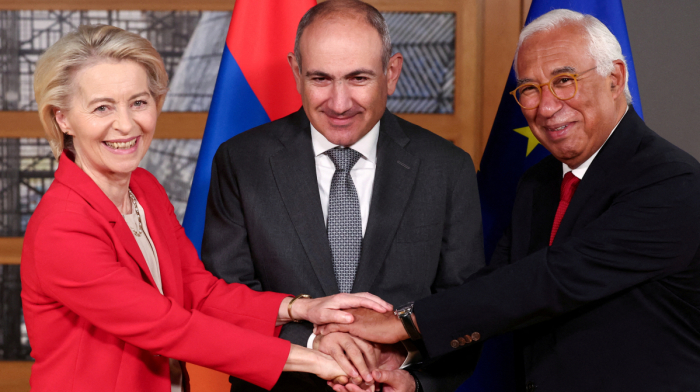
When Armenians vote on 7 June, they will be voting in an election shaped by months of political change and a rapidly deepening relationship with the European Union. The result may not only determine who governs Armenia but also the future direction of the country's geopolitical alignment.
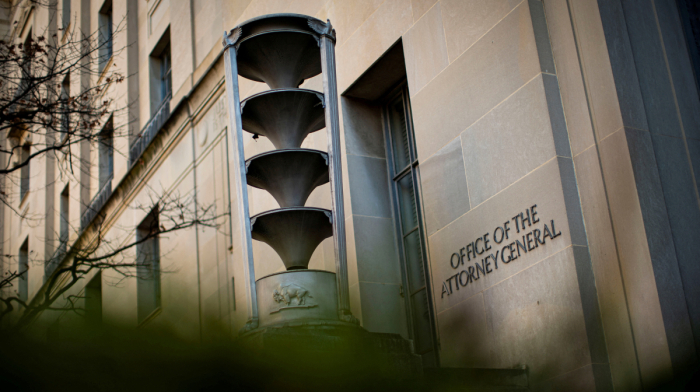
Unsealed records from the U.S. Department of Justice have renewed scrutiny of lawyer Robert Amsterdam after documents revealed communications between his law firm and Jeffrey Epstein's office. The disclosures have drawn attention because of Amsterdam's prominent role in Armenia.
Kazakhstan has restored oil production after an accident at the Tengiz oil field briefly disrupted output last week, while also signalling its readiness to increase crude shipments through the Baku–Tbilisi–Ceyhan (BTC) pipeline.
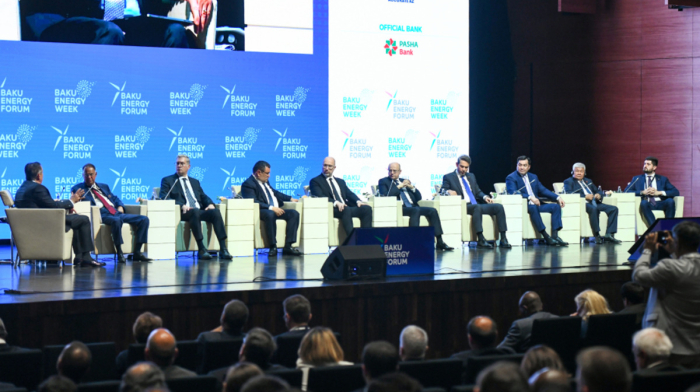
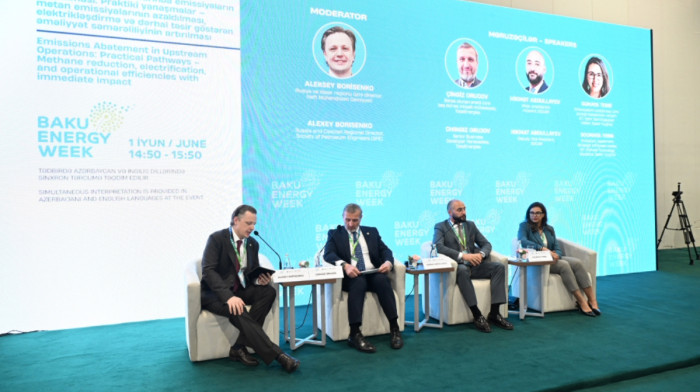
Baku has once again become a focal point for international energy diplomacy, investment and strategic cooperation, as Baku Energy Week brings together policymakers, industry leaders and investors from around the world.
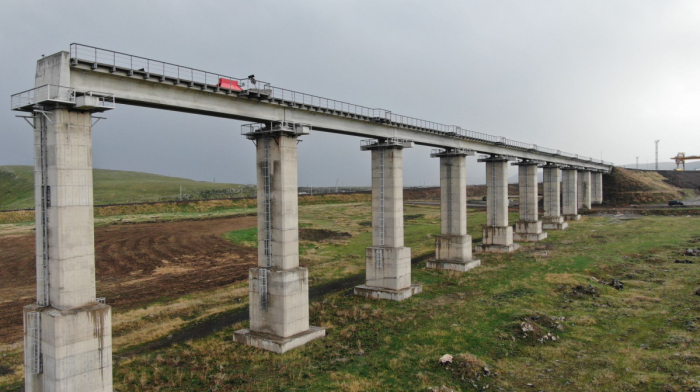
A launch ceremony marking the commissioning of the modernised Baku-Tbilisi-Kars (BTK) railway line was held at Akhalkalaki station in Georgia on 2 June, bringing together senior officials from Azerbaijan, Georgia and Türkiye.
Baku Energy Week has opened in Azerbaijan, bringing together global energy leaders to discuss energy security, green energy and regional cooperation, underscoring the country's growing strategic role in Eurasian connectivity.
When Armenians vote on 7 June, they will be voting in an election shaped by months of political change and a rapidly deepening relationship with the European Union. The result may not only determine who governs Armenia but also the future direction of the country's geopolitical alignment.
You can download the AnewZ application from Play Store and the App Store.
What is your opinion on this topic?
Leave the first comment