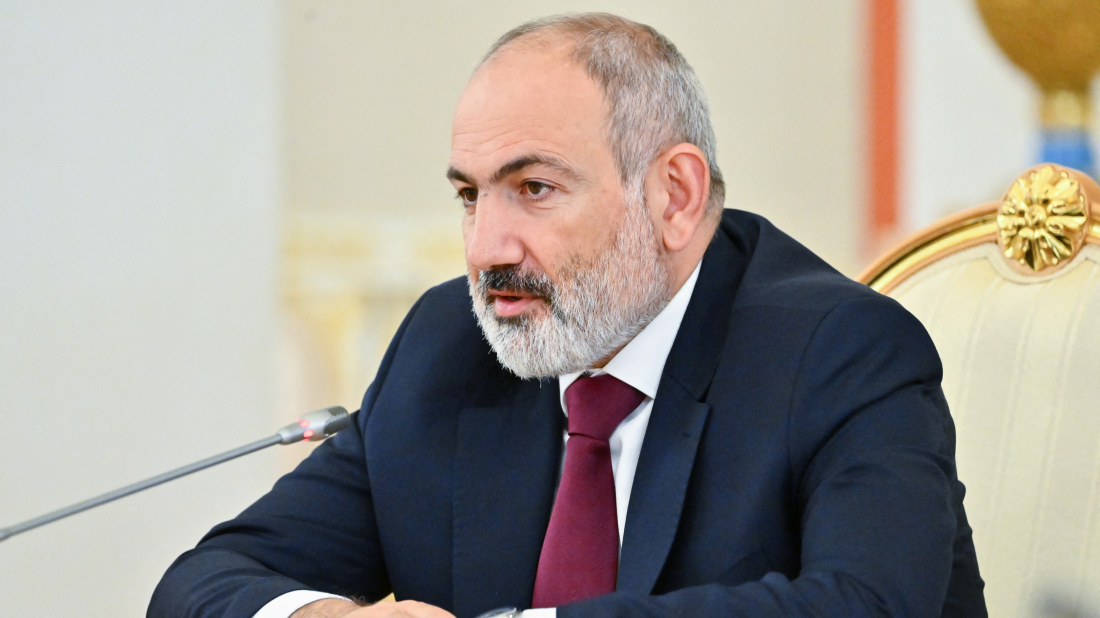
Overhauling Armenia's economic structure and strengthening state institutions is a main focus as the Armenian government adopts a 42-page Doctrine of Economic and Institutional Transformation on Thursday (8 January), Prime Minister Nikol Pashinyan announced.
Pashinyan described the document as a “guide to development” and a statement of government intentions.
He stressed that Armenia’s strategies and strategic documents should be concise, focused, and integrated into the state administration system.
“Strategies are, first of all, a consolidation of actions and ideas. This document explains where we are now and where we want to go,” Pashinyan said.
The doctrine seeks to establish a new logic of economic and institutional development, positioning the economy as the foundation of Armenia’s sovereignty, security, and long-term stability.
Central to this vision is the role of the citizen, whom Pashinyan described as “educated, capable and creative.”
The doctrine also emphasises artificial intelligence (AI), digitalisation, energy transformation, and long-term fiscal planning, including discussions on a potential new tax code with a validity of up to 10 years.
Pashinyan linked the adoption of the doctrine to Armenia’s economic performance since the 2018 revolution, citing a more than 50% GDP growth and a 2.4-fold increase in GDP per capita despite the COVID-19 pandemic and geopolitical challenges.
He highlighted the government’s role in removing economic barriers and monopolies, while crediting the Armenian workforce for driving these results.
The Prime Minister also noted that the doctrine reflects changing regional security dynamics, including the peace agreement with Azerbaijan, and aims to ensure predictable and stable economic policy regardless of changes in government.
In parallel with the doctrine, Armenia’s trade and energy situation is improving, according to Armenian Minister of Economy Gevorg Papoyan.
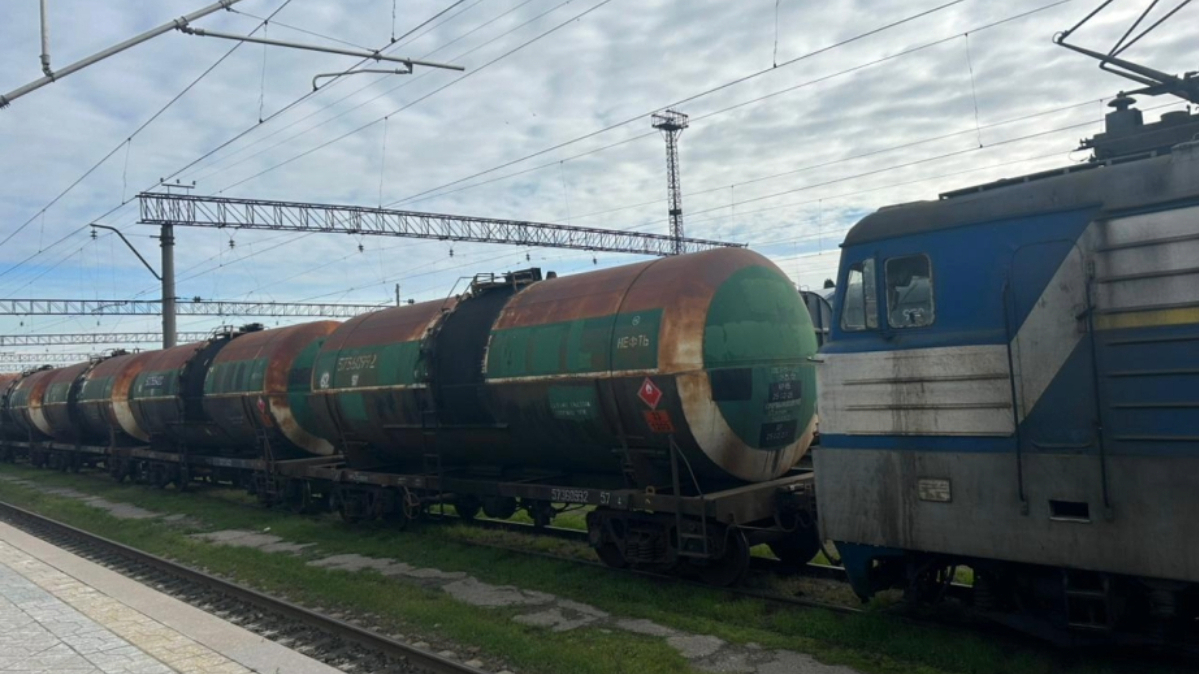
In 2025, 6,580 tons of grain entered Armenia via the railway through Azerbaijan, including 5,580 tons from Russia and 1,000 tons from Kazakhstan, alongside 1,210 tons of Azerbaijani gasoline.
As of 8 January 2026, 8,485 tons of Russian grain have entered Armenia, with 4,103 tons still in transit.
Oil products from Azerbaijan are also arriving, with 7,600 tons on the way, including 6,100 tons of petrol and 1,500 tons of diesel.
These developments have already contributed to a reduction in fuel prices, with petrol and diesel expected to be up to 80 AMD per litre cheaper than last month.
Papoyan said other oil companies are also responding by lowering prices, signalling broader relief for consumers.
















What is your opinion on this topic?
Leave the first comment