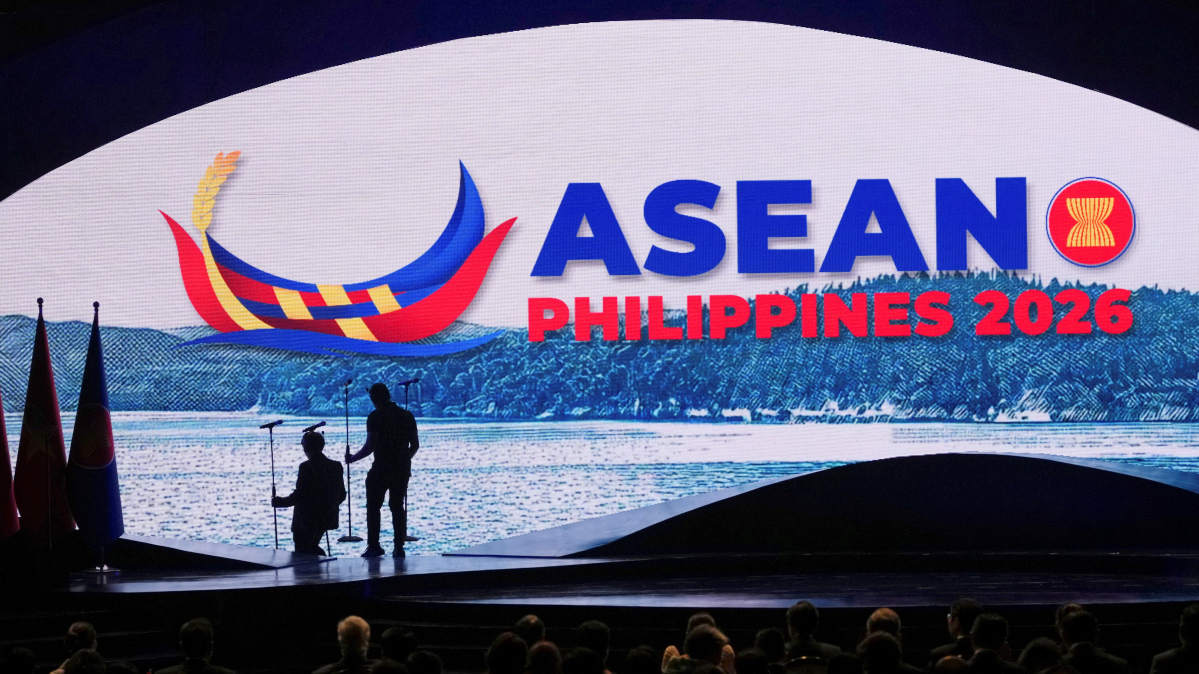
Leaders of Southeast Asian nations gathered in the Philippines on 8 May for an ASEAN summit focused heavily on the economic fallout from the Middle East conflict, with member states seeking a coordinated response to rising energy and food security risks.
Meeting on the island of Cebu, leaders of the Association of Southeast Asian Nations discussed measures to reduce pressure on economies heavily dependent on imported energy following weeks of disruption linked to the Strait of Hormuz crisis.
Opening the summit, Philippine President Ferdinand Marcos Jr. said ASEAN must strengthen regional coordination to protect energy security and economic stability.
“At a time of heightened volatility, ASEAN must strengthen coordination and reinforce preparedness,” Marcos said.
Coordinated energy response
ASEAN economic ministers meeting ahead of the summit identified several proposed measures aimed at improving regional resilience, including diversifying fuel suppliers and shipping routes, enhancing interconnectivity and establishing crisis communication mechanisms.
The Philippines has also pushed for faster approval of a voluntary ASEAN oil-sharing framework designed to support member states during supply disruptions.
However, analysts note that ASEAN coordination remains difficult due to differing economic structures and the bloc’s consensus-based decision-making process.
The 11-member grouping, home to nearly 700 million people, remains highly exposed to global energy shocks caused by tensions in the Gulf region.
Leaders urge diplomacy
ASEAN leaders are expected to call for a negotiated settlement between the United States and Iran and for the reopening of the Strait of Hormuz, a vital maritime route that previously handled around one-fifth of global oil and gas shipments.
A draft summit statement seen by Reuters showed leaders would urge member states to complete domestic approval processes needed for a regional fuel-sharing agreement to enter into force.
Alongside discussions on the Middle East, ASEAN leaders also addressed regional tensions, including relations between Thailand and Cambodia after border clashes last year.
Marcos hosted talks between leaders from both countries, resulting in an agreement to resume engagement under a fragile ceasefire.
Foreign ministers also agreed to hold a virtual meeting with Myanmar’s leadership as the country seeks to improve ties with ASEAN following years of isolation after the 2021 military coup and subsequent civil conflict.
ASEAN aims
The Association of Southeast Asian Nations (ASEAN) is a regional intergovernmental organisation founded in 1967 to promote political and economic cooperation among countries in Southeast Asia.
It currently has 11 member states (Brunei, Cambodia, Indonesia, Laos, Malaysia, Myanmar, Philippines, Singapore, Thailand, Timor-Leste, Vietnam) and operates on a consensus-based model, focusing on regional stability, economic integration, and diplomatic coordination.
ASEAN does not have supranational authority over its members, which include major emerging economies and developing states, and its decisions are implemented voluntarily by member governments.
Read more:














What is your opinion on this topic?
Leave the first comment