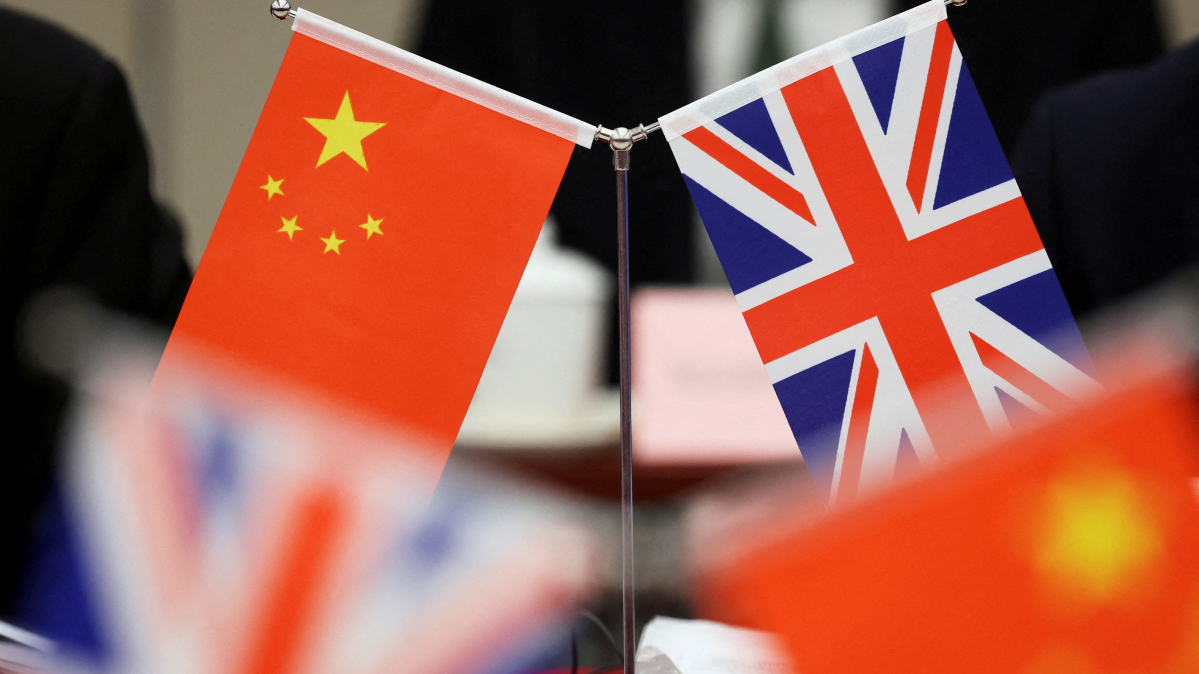
A cross-party delegation of British lawmakers is set to visit China in mid-May for the first time since 2019. The trip is positioned as a sign of cautious warming of ties, following Prime Minister Keir Starmer’s visit to Beijing earlier this year, according to two sources familiar with the plans.
The five-day trip will include 12 members of the UK parliament from both the Labour and Conservative parties and is being organised by the Great Britain-China Centre, which is funded by the Foreign, Commonwealth and Development Office.
The delegation marks the first parliamentary visit to China since 2019, reflecting tentative diplomatic engagement after years of strained relations.
Reset in relations
The visit follows Starmer’s January meeting with Chinese President Xi Jinping, which both sides described as a “reset” in relations.
Ties between London and Beijing have been tense in recent years over human rights concerns, allegations of espionage, and disputes linked to Hong Kong and Xinjiang.
While parliamentary exchanges with China had stalled, UK lawmakers have continued frequent visits to Taiwan, which Beijing claims as part of its territory.
Sanctions and diplomatic friction
China previously imposed sanctions on several British politicians in 2021, including former Conservative leader Iain Duncan Smith, accusing them of spreading “disinformation” over Xinjiang.
Some of those sanctions were lifted earlier this year following Starmer’s visit to China, though restrictions remain in place on certain UK academics, lawyers and organisations.
The latest parliamentary trip comes amid ongoing disputes, including Beijing’s planned mega-embassy in London and renewed allegations of Chinese espionage activity in the UK.
Espionage case
The visit also follows a London court ruling this week that convicted two men of spying on behalf of Hong Kong and China, targeting pro-democracy activists based in Britain.
The case has further complicated efforts to stabilise relations, with the Chinese embassy rejecting the allegations and accusing the UK of fabricating claims.
Despite these tensions, both governments appear to be maintaining cautious diplomatic engagement through limited parliamentary and official exchanges according to analysts.
Read more:

















What is your opinion on this topic?
Leave the first comment