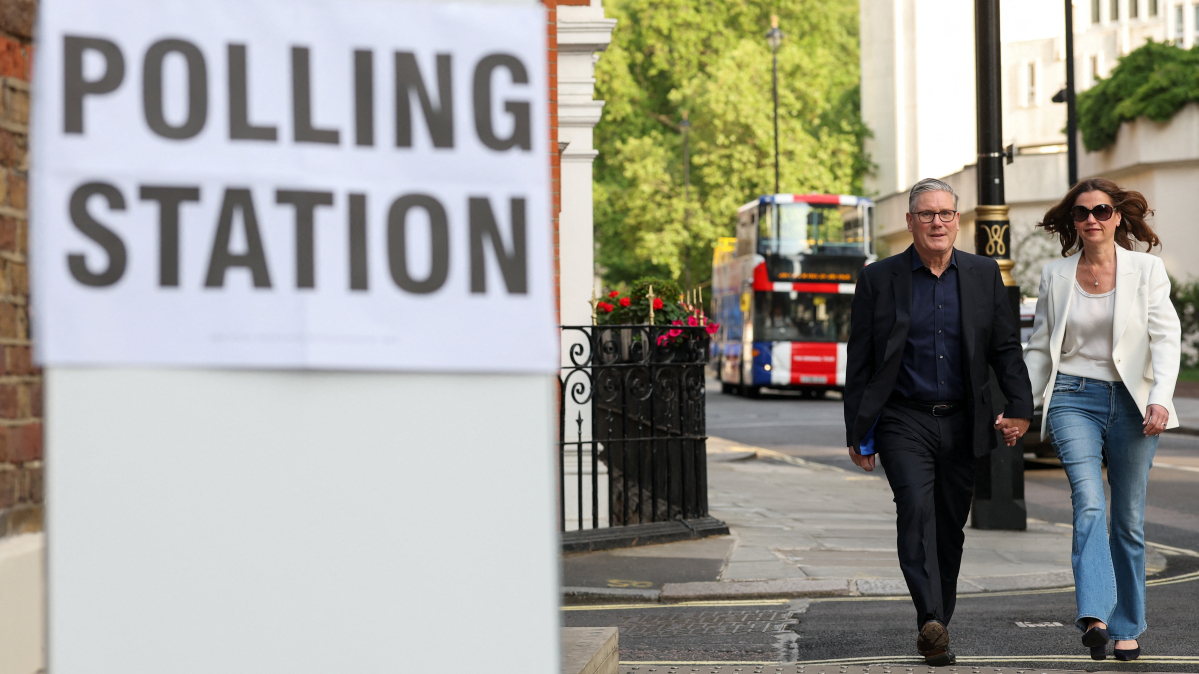
British Prime Minister Keir Starmer suffered heavy early losses in local elections on 8 May 2026, as results pointed to significant voter backlash against his Labour government and renewed questions over his leadership just two years after a landslide general election win.
Early counting showed Labour losing large numbers of council seats across traditional strongholds in northern and central England, as well as parts of London, in what analysts described as a broad collapse in support.
The main beneficiary of Labour’s losses was Reform UK, led by Brexit campaigner Nigel Farage, which gained more than 200 council seats and made major inroads in former Labour heartlands.
Political analyst John Curtice said the results were “pretty much as bad as anyone expected for Labour, or worse,” highlighting the scale of voter dissatisfaction.
Reform UK also positioned itself as a growing force in Scotland and Wales, challenging both the governing parties and established opposition groups.
Pressure on Starmer
Labour was wiped out in several key councils, including Tameside in Greater Manchester, where it lost control for the first time in nearly 50 years after Reform took all 14 seats the party was defending.
In Wigan, a former mining communityy held by Labour for decades, the party lost all 20 seats it was defending. Similar losses were reported in Salford, where Labour held only a small fraction of its contested seats.
The results are seen as one of the most significant mid-term setbacks for a governing party in decades, with comparisons being drawn to the 1995 local election losses under former Prime Minister John Major.
Most of the election results - including the seats in the Scottish and Welsh elections - are due to be declared on Friday afternoon and evening.
Fragmentation of the system
Analysts say the elections have underscored the continued fragmentation of British politics, with the traditional dominance of Labour and the Conservatives eroding in favour of smaller parties on both the right and left.
The Conservative Party also suffered losses, while the Green Party and nationalist parties in Scotland and Wales were expected to make gains.
The shift reflects what analysts describe as one of the most significant realignments in UK politics in a century.
Questions loom over Labour
Starmer, who won office in 2024 on a promise of stability after years of political turmoil, has faced growing internal pressure amid policy reversals and leadership challenges.
While he has insisted he intends to lead Labour into the next general election in 2029, poor results in Scotland and Wales could intensify calls within the party for a leadership review.
Despite speculation, potential successors such as Greater Manchester Mayor Andy Burnham and former deputy Prime Minister Angela Rayner have not yet positioned themselves for a leadership challenge.












What is your opinion on this topic?
Leave the first comment