Trump says Hezbollah and Israel agreed to halt attacks amid fragile ceasefire
U.S. President Donald Trump said on Monday (1 June) that he held productive discussions with Israeli Prime Minister Benjamin Netanyahu and, through in...
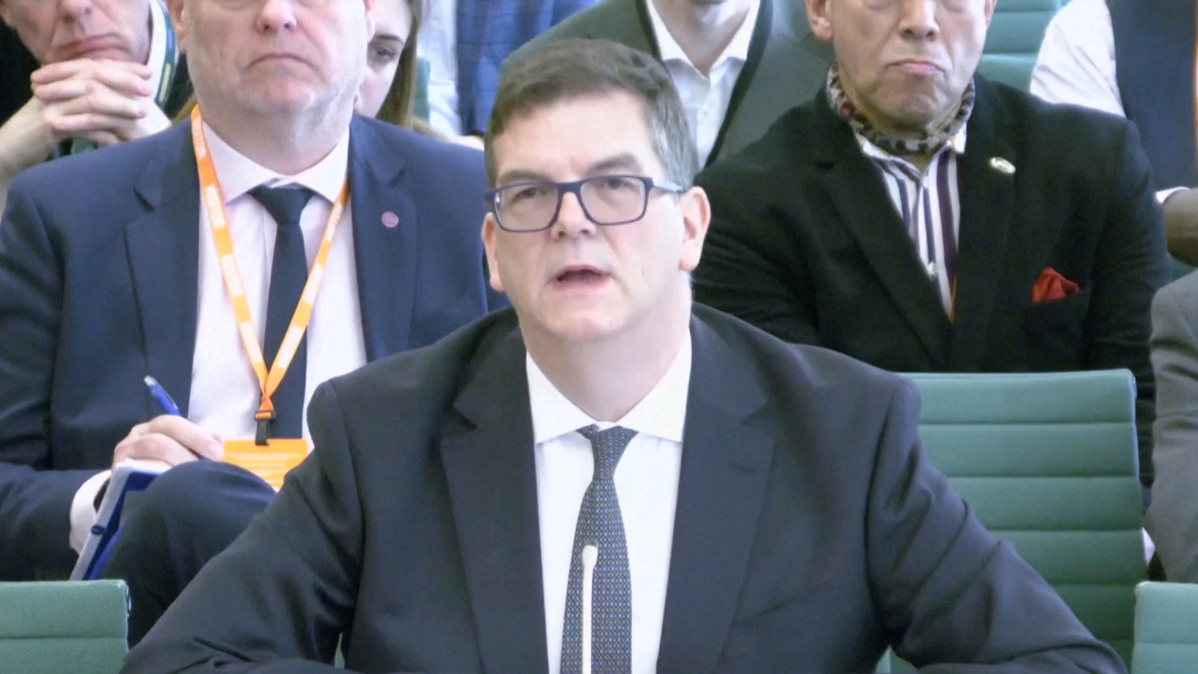
A former top foreign ministry official said on Tuesday he faced “constant pressure” from Prime Minister Keir Starmer’s office to accelerate the appointment of Peter Mandelson as its preferred candidate as ambassador to the U.S.
Olly Robbins, who was dismissed last week after ministers said they had lost confidence in him, told a parliamentary committee the process had been treated as a “done deal.”
“I walked into a situation in which there was already a very, very strong expectation ... that he needed to be in post and in America as quickly as humanly possible,” Robbins said.
“I think throughout January (2025), honestly, my office, the foreign secretary's office, were under constant pressure,” he added, describing “frequent phone calls” and an “atmosphere of constant chasing.”
Downing Street rejected the claims, saying there was a difference between pressure and keeping updated on progress.
The dispute centres on the appointment of Peter Mandelson as ambassador to the U.S., despite concerns linked to his past associations, including ties to the late U.S. sex offender Jeffrey Epstein.
Starmer has admitted he was “wrong” to approve the appointment and expressed regret, but has blamed officials for failing to inform him that security vetting advisers had raised concerns.
Robbins said the vetting body viewed the case as borderline and leaned against granting clearance — a warning Starmer says he never received.
The controversy has sparked calls for Starmer’s resignation, although Labour lawmakers do not expect an immediate leadership challenge ahead of elections on May 7.
Further criticism emerged after Robbins revealed Downing Street had also pushed for a diplomatic role for Matthew Doyle, prompting concern within the party.
Robbins warned that blocking Mandelson’s appointment at a late stage could have damaged relations with the U.S., as approval had already been secured from King Charles and the U.S. government.
The escalating war of words risks prolonging a political crisis that continues to test Starmer’s leadership.

U.S. rapper Kanye West, now known as Ye, performed to a crowd of 118,000 people in Istanbul on Saturday night, marking his first concert in Europe in more than a decade, despite being barred from performing in several countries over past antisemitic remarks.
Okinawa lost transport links and suffered widespread power outages on Monday (1 June) as Severe Tropical Storm Jangmi brought destructive winds and heavy rain to Japan's south-western islands.
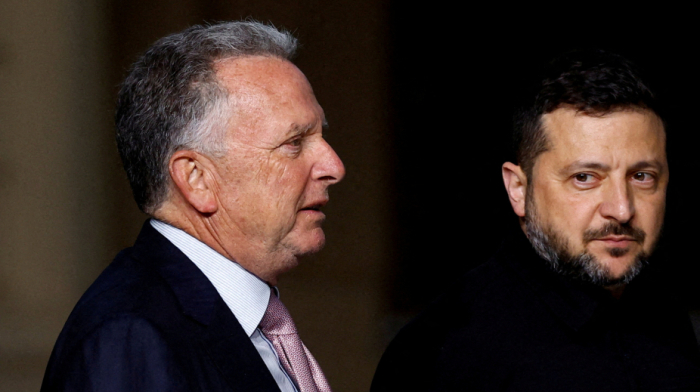
U.S. Secretary of State Marco Rubio has held talks with Lebanese President and Israeli Prime Minister on efforts to ease tensions between Israel and Lebanon. According to a U.S. official, Washington has proposed a plan aimed at achieving a gradual de-escalation of hostilities.
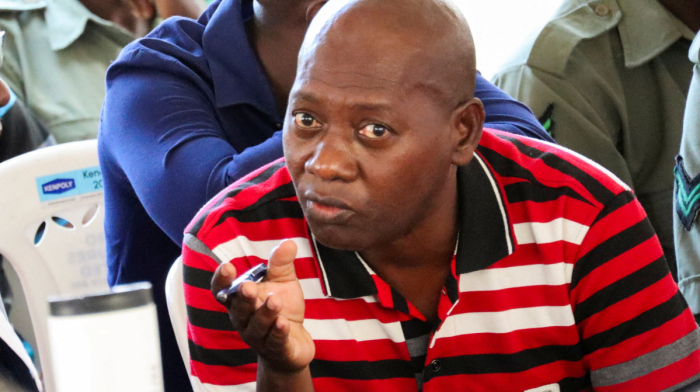
The World Health Organisation’s designation of the Bundibugyo Ebola virus outbreak as a Public Health Emergency of International Concern (PHEIC) is a stark reminder that Ebola remains a persistent global health threat rather than a disease of the past.
The Africa Centres for Disease Control and Prevention (Africa CDC) says the Ebola outbreak in the Democratic Republic of Congo and Uganda is continuing to spread, with 263 confirmed cases and 43 deaths reported as of 30 May.
Start your day informed with the AnewZ Morning Brief. Here are the top stories for the 2 June, covering the latest developments you need to know.
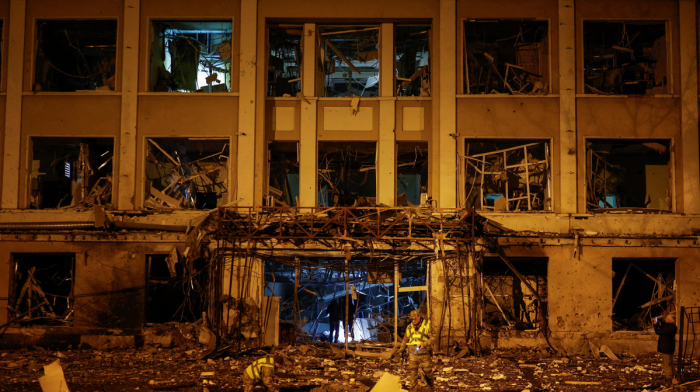
Russian air attacks on major Ukrainian cities such as Kyiv, Dnipro and Kharkiv killed at least nine and wounded more than 60 early on Tuesday, authorities said, following days of warnings that Moscow was planning a major assault.
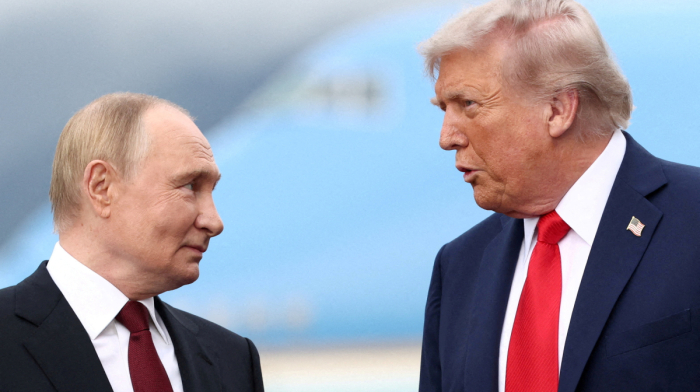
U.S. President Donald Trump said on Monday (1 June) that he held productive discussions with Israeli Prime Minister Benjamin Netanyahu and, through intermediaries, with the Iran-backed Hezbollah movement. He expressed optimism that a fragile ceasefire in Lebanon could hold despite hostilities.
Chile's far-right President José Antonio Kast, who took office in March, promised a legislative agenda that prioritises fighting crime, cutting spending and boosting economic growth in his first national address on Monday.
Denmark’s Social Democratic leader Mette Frederiksen said on Monday (1 June) she has agreed to form a new centre-left coalition government, securing a third consecutive term as prime minister amid heightened diplomatic tensions with the United States over Greenland.
You can download the AnewZ application from Play Store and the App Store.
What is your opinion on this topic?
Leave the first comment