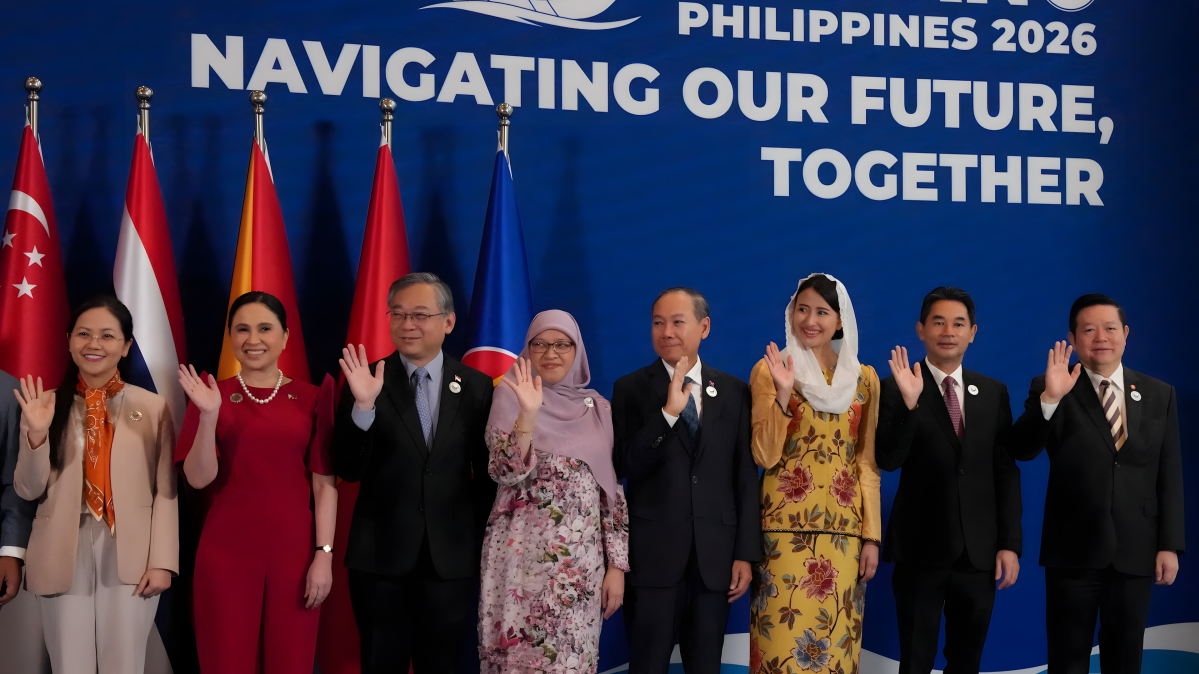
The Middle East crisis is set to dominate the ASEAN summit on 8 May, shifting focus away from regional diplomacy.
When regional leaders convene for the high-level ASEAN summit on Friday, the agenda will centre on the escalating crisis in the Middle East rather than local issues.
Philippine Foreign Affairs Secretary Ma. Theresa Lazaro said the summit’s priorities have been realigned to address energy security, stabilise food supplies, and protect millions of ASEAN nationals working in the region. The shift reflects concern over the economic and humanitarian fallout from tensions in the Persian Gulf.
The economic toll of an external war
Analysts warn that economic pressures linked to the Middle East conflict are likely to overshadow long-standing regional concerns.
“I do think that the Middle East crisis is a significant one, and it's absolutely in the minds of the ASEAN leaders to really tackle it,” said Waffaa Kharisma of the Centre for Strategic and International Studies. “Again, the chairship in the Philippines has uttered different initiatives that they're trying to pursue to respond to the crisis, to respond to the energy and food security crisis.”
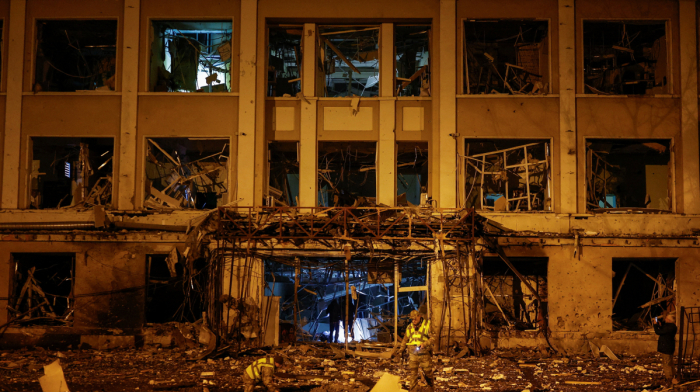
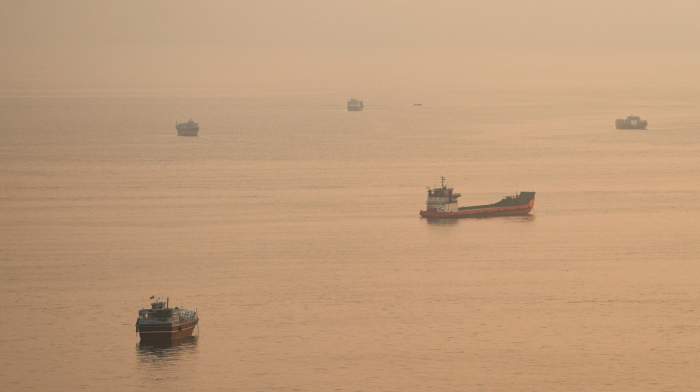
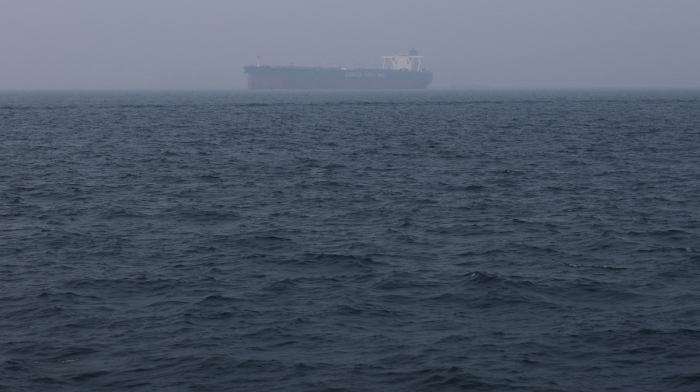
Pressure on Southeast Asian leaders has intensified since the conflict escalated following U.S. and Israeli strikes on Iran at the end of February. The resulting threat to shipping in the Strait of Hormuz has added uncertainty to global energy markets.
For ASEAN nations, which depend heavily on imported hydrocarbons, costs for fuel, fertilisers and food have risen sharply.
Governments have already begun responding. In recent weeks, member states have held emergency ministerial meetings on energy procurement, macroeconomic coordination and food security to curb inflation and prevent domestic unrest.
Testing Manila's chairmanship
The crisis is expected to test the Philippines’ leadership of ASEAN as it seeks to coordinate a unified response while keeping internal issues on the agenda.
One key concern is the situation in the South China Sea. Discussions are expected to include slow progress on a long-delayed Code of Conduct. Tensions between Manila and China have risen in recent months, with repeated maritime incidents.
China continues to claim most of the sea, despite a 2016 international tribunal ruling that rejected those claims.
Prospects for progress remain limited. Kharisma said economic pressures could complicate ASEAN’s approach, as member states balance trade ties with China against security concerns.
“There’s going to be balances even for the Philippines themselves… in a new era such as this where there's no single superpower that we can immediately trust in terms of defending a rules-based order,” she said, referring to tensions between Washington and Beijing.
Despite these challenges, Manila has expressed confidence in ASEAN’s role. Spokesperson Dominic Imperial said consensus-building would be essential.
“There are 11 ASEAN members, and the collective voice is very important,” he said. “While countries can act bilaterally, it is equally important to highlight ASEAN’s role as a bloc. Only through a unified stance can we effectively navigate these overlapping crises.”













What is your opinion on this topic?
Leave the first comment