Australia warns Big Tech over news payments or multimillion-dollar levy
Australia's government said on Tuesday that Meta, Alphabet’s Google and TikTok could be penalised unless they negotiate payments with loc...
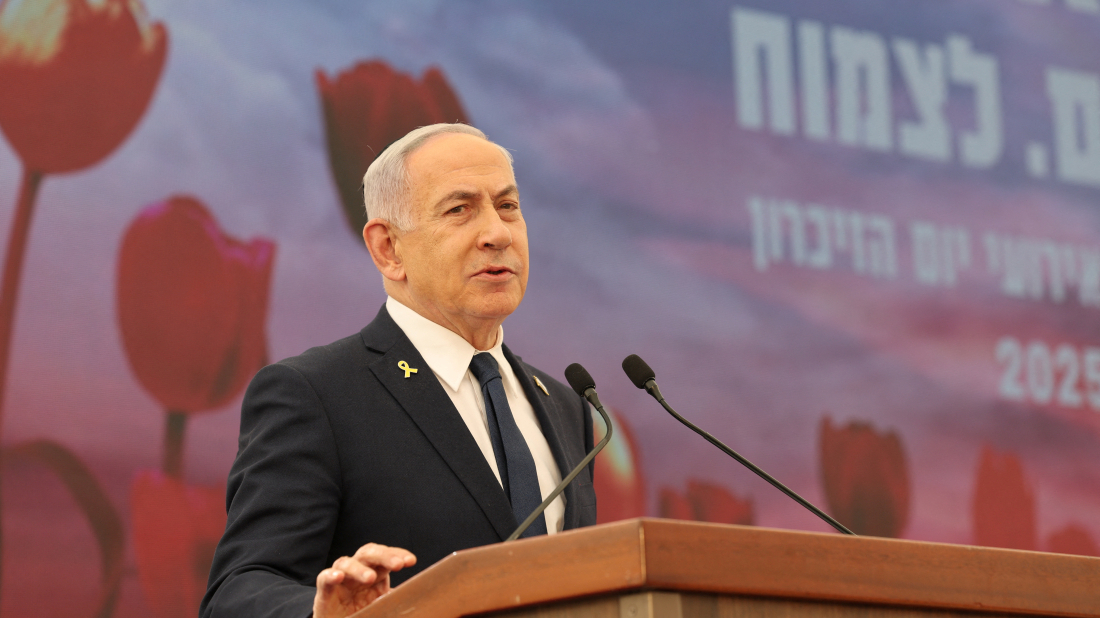
Israeli Prime Minister Benjamin Netanyahu said Thursday that Israel’s recent victory in its conflict with Iran opens a path to expanded peace deals, including the possible addition of Saudi Arabia and Syria to the Abraham Accords.
Prime Minister Benjamin Netanyahu said on Thursday that Israel’s success in the conflict with Iran has created a “dramatic” opportunity to broaden peace efforts across the Middle East. In a statement, he urged swift action to build on the momentum.
“This victory presents an opportunity for a dramatic widening of peace agreements,” Netanyahu said. “We are working on this with enthusiasm. Alongside the freeing of hostages and defeat of Hamas, there is a window of opportunity that must not be missed. We cannot waste even a single day.”
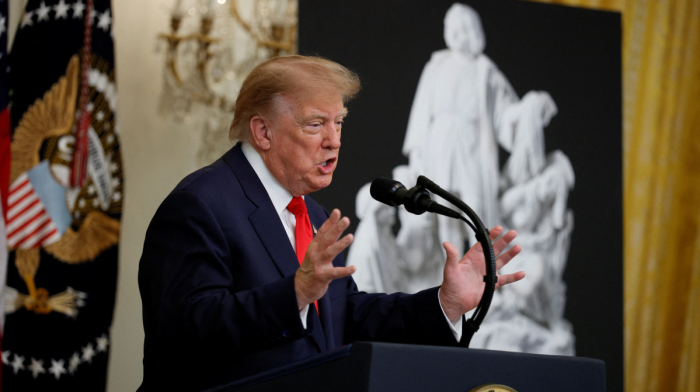
His remarks came just hours after a report in Israel Hayom claimed that Netanyahu and U.S. President Donald Trump had agreed in a phone call earlier this week to accelerate an end to the Gaza conflict—potentially within two weeks. The newspaper, citing an unnamed source, said the plan could involve expanding the U.S.-brokered Abraham Accords to include Saudi Arabia and Syria.
Netanyahu’s office declined to comment on the report, but in a press appearance on Sunday he said the weakening of Iran had already begun to reshape the region.
“We have broken the axis,” he said. “This is a huge change and Israel's status is rising, not just in the Middle East but also in the world. This is a tectonic shift.”
The Israel-Iran ceasefire announced by Trump earlier this week has raised hopes among Palestinians of an end to more than 20 months of intense fighting in Gaza. The conflict has left vast areas of the territory destroyed and most residents displaced, with malnutrition now widespread.
With diplomatic momentum building, Netanyahu expressed confidence that Israel is entering a “bright new future” marked by greater stability and international partnerships.
“We will see a bright new future, of security, of prosperity, of hope and of peace,” he said.

Disney+ has debuted Disney Animation’s Songs in Sign Language, a new collection of animated musical sequences reimagined in American Sign Language (ASL), released on 27 April to mark National Deaf History Month.
President Donald Trump said on Sunday Iran could telephone if it wants to negotiate an end to their two-month war. Tehran said the U.S. should remove obstacles to a deal, including its blockade of Iran's ports. Meanwhile Iranian Foreign Minister Abbas Araghchi arrives in St Petersburg for talks.
Market reaction to DeepSeek’s preview of its next-generation artificial intelligence model has been relatively subdued, in sharp contrast to the global shock triggered by its breakthrough releases last year.
Adidas shares rose after Kenya’s Sebastian Sawe delivered a historic performance at the London Marathon on Sunday (26 April), becoming the first athlete to run an official marathon in under two hours.
China’s reaction to the latest tensions around Iran has been firm in tone but restrained in action. It has condemned strikes, called for dialogue and stepped up diplomacy but shown no sign of military involvement or appetite for escalation.
The months-long disarmament process involving the outlawed Kurdistan Workers’ Party (PKK) has made little tangible progress, Turkish intelligence chief İbrahim Kalın has said.
Azerbaijan is expanding its diplomatic and economic footprint amid European energy insecurity and global geopolitical tensions. The Czech Prime Minister’s 27 April visit to Gabala highlighted growing Azerbaijan–Central Europe cooperation, particularly in energy, industry and defence.
Afghanistan’s disaster authority says it is working with the International Organization for Migration (IOM) to boost emergency response, shelter support and volunteer networks following talks in Kabul on Sunday.
Kazakhstan, Kyrgyzstan and Uzbekistan are advancing one of Central Asia’s largest joint energy projects: the construction of the Kambarata HPP-1 hydropower plant on the Naryn River in Kyrgyzstan, with a planned capacity of nearly 2,000 megawatts.
150 senior leaders from the oil and trade industry met in Baku last week for the second annual Caspian and Central Asia Oil Trading and Logistics Forum, as the world grapples with oil and energy shortages linked to the Middle East conflict.
You can download the AnewZ application from Play Store and the App Store.
What is your opinion on this topic?
Leave the first comment