'All very positive': U.S. President Trump hails call with China's President Xi
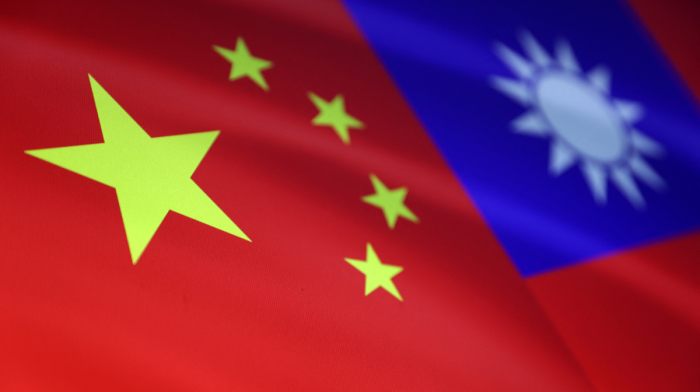
U.S. President Donald Trump held an “excellent” phone call with Chinese President Xi Jinping on Wednesday, (4 February), to discuss trade, energy,...
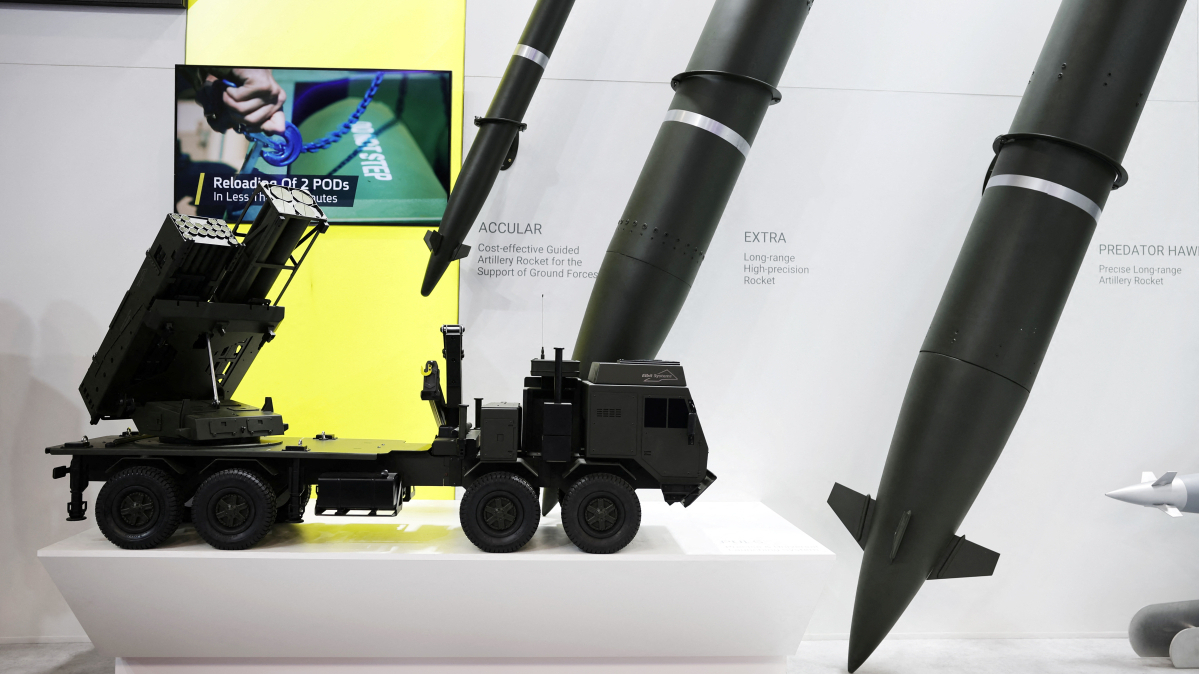
Greek lawmakers approved the purchase of 36 PULS rocket artillery systems from Israel, valued at approximately 650 million euros ($757.84 million), according to two officials familiar with the matter on Thursday.
Greece plans to invest around 28 billion euros ($32.66 billion) by 2036 to modernise its military as it recovers from a 2009-2018 debt crisis and seeks to maintain its military capabilities in competition with its long-standing rival, Turkey.
The purchase was approved by the parliament's defence committee in a closed session, with one senior official confirming the approval and the cost, estimated to be between 650 and 700 million euros. Earlier reports had indicated that Greece was in discussions with Israel regarding the deal.
Greece and Israel share strong economic and diplomatic relations, having conducted joint military exercises in recent years and operating an air training centre in southern Greece. Additionally, Greece is in talks with Israel to develop a 3 billion euro anti-aircraft and missile defence system.
The PULS system, produced by Israel's Elbit, has a range of up to 300 km (190 miles) and will strengthen Greece's defence capabilities, particularly along its northeastern border with Turkey and the Greek islands in the Aegean. The agreement also includes the local production of components in Greece.
Greece and Türkiye, both NATO members, have longstanding tensions over various issues, including the delimitation of their continental shelves, energy resources, airspace over the Aegean Sea, and the divided island of Cyprus.

Cuba’s Deputy Foreign Minister Carlos Fernández de Cossío has denied that Havana and Washington have entered formal negotiations, countering recent assertions by U.S. President Donald Trump, while saying the island is open to dialogue under certain conditions.
Talks with the U.S. should be pursued to secure national interests as long as "threats and unreasonable expectations" are avoided, President Masoud Pezeshkian posted on X on Tuesday (3 February).
Mexico said it will stop sending oil to Cuba as U.S. President Donald Trump ramped up pressure on the Caribbean nation.
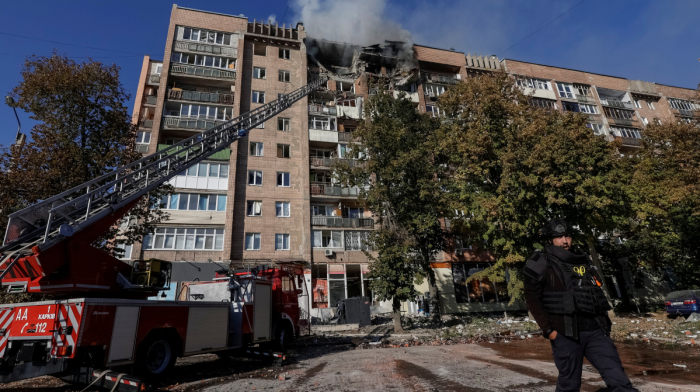
Ukrainian President Volodymyr Zelenskyy accused Russia on Tuesday (3 February) of exploiting a U.S.-backed energy ceasefire to stockpile weapons and launch large-scale drone and missile attacks on Ukraine ahead of peace talks.
Paris prosecutors have summoned X chairman Elon Musk and former chief executive Linda Yaccarino for questioning in April as part of their probe into the X social media network, they said on Tuesday.
U.S. President Donald Trump held an “excellent” phone call with Chinese President Xi Jinping on Wednesday, (4 February), to discuss trade, energy, Taiwan, Iran, and Russia’s war in Ukraine, ahead of Trump’s planned visit to Beijing in April.
Start your day informed with AnewZ Morning Brief: here are the top news stories for the 5th of February, covering the latest developments you need to know.
The United States and Argentina have signed a framework agreement to strengthen cooperation on critical minerals on Thursday (4 February), reaffirming a shared commitment to building secure, resilient and competitive supply chains.
An explosion and fire erupted after a fuel-laden freight train derailed at Kochyetovka station in Michurinsk, Russia, on Tuesday (4 February), halting rail traffic and triggering a major emergency response, authorities said.
Ukrainian and Russian officials wrapped up a "productive" first day of new U.S.-brokered talks in Abu Dhabi, Kyiv's lead negotiator said on Wednesday (4 February).
You can download the AnewZ application from Play Store and the App Store.
What is your opinion on this topic?
Leave the first comment