Saudi Arabia, Türkiye and Pakistan will hold an urgent high-level meeting under a joint defence pact to discuss ways to support the kingdom amid attacks by Yemen's Iran-aligned Houthis. The meeting comes as Tehran seeks to distance itself from the rapid advance of its Houthi allies.
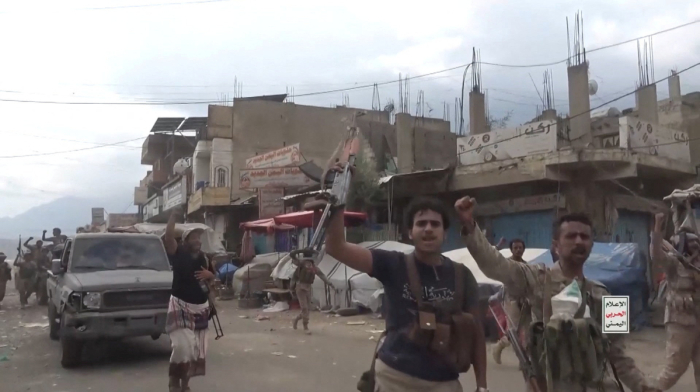
The Houthis have launched strikes on the Saudi-backed government in Yemen and repeatedly fired into Saudi Arabia, disrupting oil flows from the world's largest energy exporter.
The Houthis said they had fired dozens of missiles and drones at Saudi targets on Thursday, while authorities in Saudi Arabia said they had intercepted six ballistic missiles fired by Houthi fighters.
Saudi Arabia earlier had issued emergency alerts for areas including the holy city of Mecca, Jeddah and Yanbu, the main Saudi Red Sea oil port.
Saudi Arabia's top religious authority called on soldiers in the kingdom to be ready to lay down their lives to fight the Houthis until the group is ousted from power, a statement posted on the Saudi state news agency said.
Saudi Arabia, Pakistan and Türkiye discuss joint defence
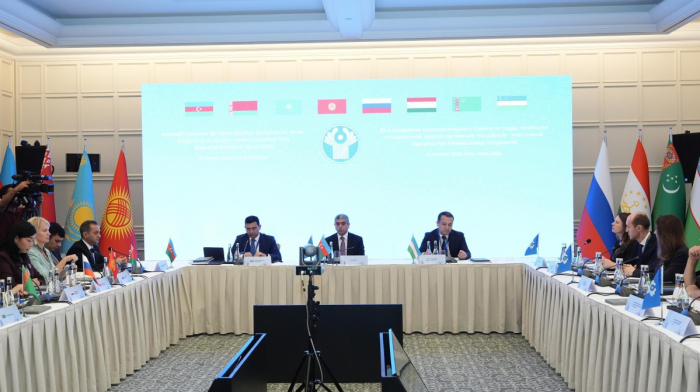
Amid the fighting, the Saudi, Pakistani and Turkish foreign ministers met within the framework of the Mecca Joint Defence Agreement, according to a Saudi foreign ministry statement.
They condemned the attacks targeting Mecca and other civilian sites, while affirming Saudi Arabia's right to defend itself, the statement said.
Pezeshkian distances Iran from Houthis
The meeting was announced shortly after Iranian President Masoud Pezeshkian sought to distance Iran from the Houthis in an American television interview on Thursday.
“The Houthis are responsible for their own actions,” Pezeshkian told the Fox News program “Special Report with Bret Baier” a day after he appeared before the UN General Assembly in New York.
Iran’s Foreign Minister Abbas Araghchi told reporters on Thursday that Tehran had conveyed a proposal to the United States via intermediaries under which the Strait of Hormuz would be reopened if Tehran’s conditions were met.
Under Iran’s proposal, hostilities would end on all fronts, including Lebanon, within seven days. The United States would lift its blockade on Iranian ports, release Iran’s frozen funds and waive its oil sanctions, he said.
“The Strait of Hormuz will be reopened on the last day,” Araghchi said, adding that talks with the United States on other issues, including Iran’s nuclear issue, would then start.
Houthis disrupt Red Sea shipping
Iran and its allies have significantly pressured oil exports from Saudi Arabia, a U.S. ally.
The Houthis have disrupted ship traffic at the mouth of the Red Sea while Iran has effectively limited tanker traffic at the Strait of Hormuz, the conduit for 20 per cent of the world's oil exports before the start of the war.
An attack by Iranian-backed militias in Iraq also temporarily knocked Saudi Arabia's East-West Pipeline out of service.
U.S. expands sanctions on Iran
With the U.S.-Israeli war against Iran largely stalemated for months on the battlefield, Washington has announced a shift in tactics to extend the reach of its financial sanctions by targeting companies from third countries that do business with Iranian firms.
Iranian airlines were barred from neighbouring countries, including the UAE and Oman, on Thursday in response to new U.S. sanctions, the first major impact of a shift in U.S. policy to target companies in third countries that do business with Iran.
A flight ban, if sustained, could deepen Iran's isolation and worsen an economic crisis in the country, which is already facing a U.S. blockade of its ports at sea.












What is your opinion on this topic?
Leave the first comment