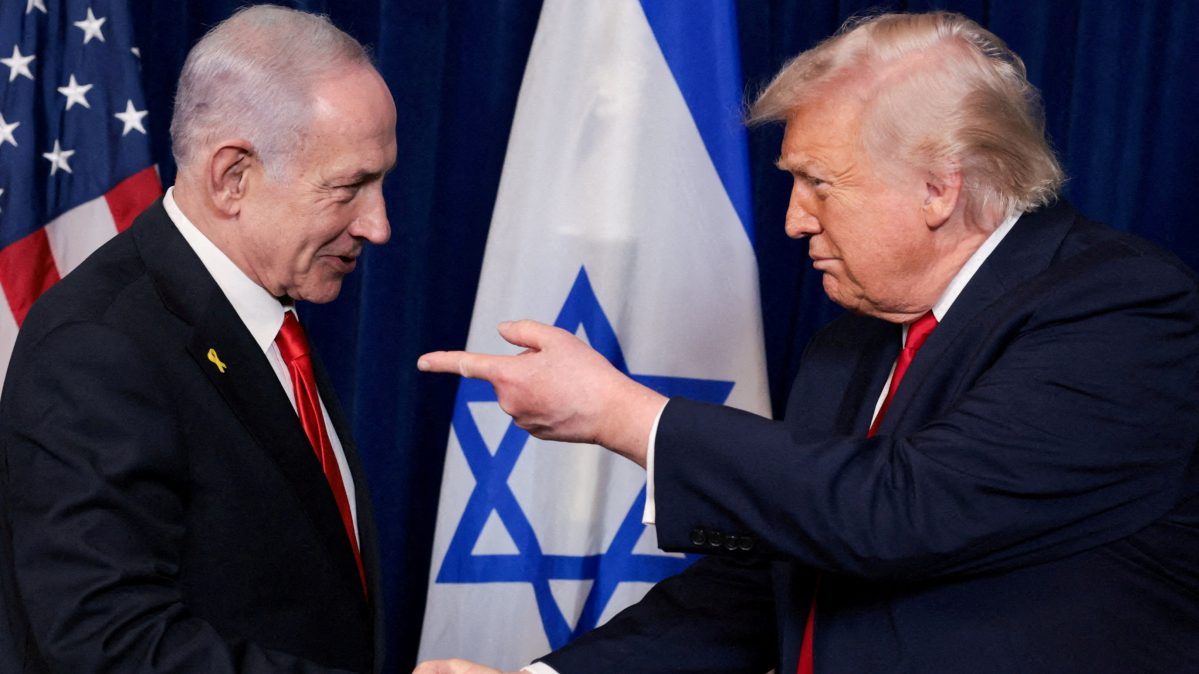
U.S. President Donald Trump says Washington will end its annual financial and military aid to Israel by the end of 2026, under an agreement he claims to have reached with Israeli Prime Minister Benjamin Netanyahu.
In an interview with Fox News, Trump said the two leaders had agreed months earlier to halt the funding, arguing that Israel was now successful enough to manage without U.S. assistance.
“Netanyahu and I have made a deal that we give Israel $4 billion a year, and we made a deal months ago that we're stopping,” Trump said.
He added that Washington would continue to support Israel if needed, describing relations between the two countries as “tremendous”.
Commercial arms sales to continue
The proposed move would end direct financial and military assistance provided through U.S. aid packages, but would not prevent Israel from buying American weapons.
Trump emphasised that commercial arms sales would continue, praising U.S. military equipment as “the greatest weapons in the world”.
The announcement raises questions about the future of the longstanding U.S.-Israel security partnership, with details of how the agreement would be implemented still unclear.
Political pressure over U.S. aid
Trump linked the decision to mounting political criticism of American military support for Israel, particularly among progressive Democrats and younger voters.
He argued that the $4 billion in annual assistance had become a point of contention for critics of his administration and the Republican Party.
“The left uses the $4 billion payment that everybody knows about, when it's no secret, as a signal of unfairness, and we can't allow that to happen,” he said.
According to Trump, Netanyahu initiated talks on ending the assistance after recognising the growing political controversy surrounding the funding.
Israeli officials, however, have not publicly confirmed the reported agreement or outlined any formal plans to end the aid.
What happens to the existing $38 billion agreement?
The announcement casts uncertainty over a 10-year U.S. military assistance agreement signed in 2016, under which Washington pledged $38 billion to Israel between 2019 and 2028.
The deal includes annual military financing and funding for missile defence programmes. Ending that support before the agreement expires would represent a major change in defence ties between the two countries.
Read more:













What is your opinion on this topic?
Leave the first comment