Russia has accused Estonia of a series of hostile actions that it says are “on the verge of triggering open war”. The sharp escalation in Moscow's rhetoric follows Tallinn's decision to close its land border with Russia.
It raises tensions on NATO's eastern flank, where the alliance says it is already monitoring Russian activity in Poland and Estonia.
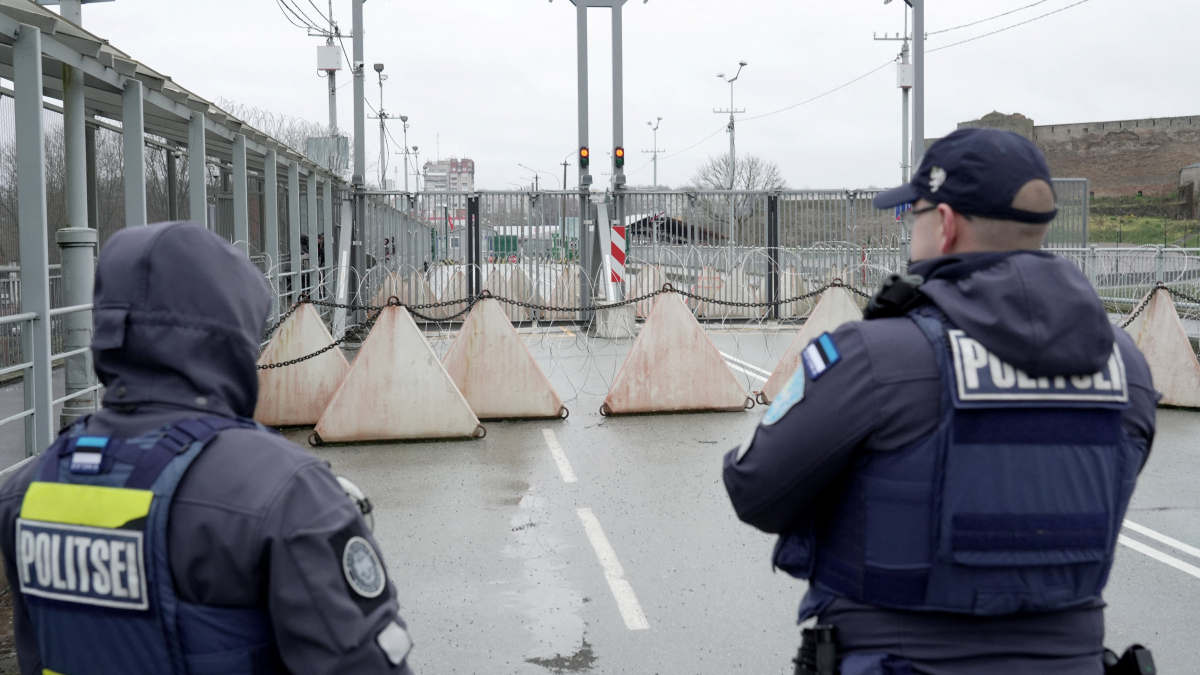
Border to close from 1 December
Estonia announced on 20 November that it would close its remaining border crossings with Russia from 1 December for at least six months. Tallinn has accused Russian security services of staging an attempted arson attack on an Estonian defence company. Russia denies involvement.
On Monday, Russia's Foreign Ministry summoned Estonia's chargé d'affaires in Moscow, Marek Juhtogi, to lodge a formal protest over the closure.
“The Estonian diplomat was once again told that such provocative and extremely dangerous actions are on the verge of triggering open war with Russia,” the ministry said in a statement.
Moscow's list of accusations
The ministry accused Estonia of:
- allowing Ukraine to use its airspace “on the quiet” to attack targets in Russia
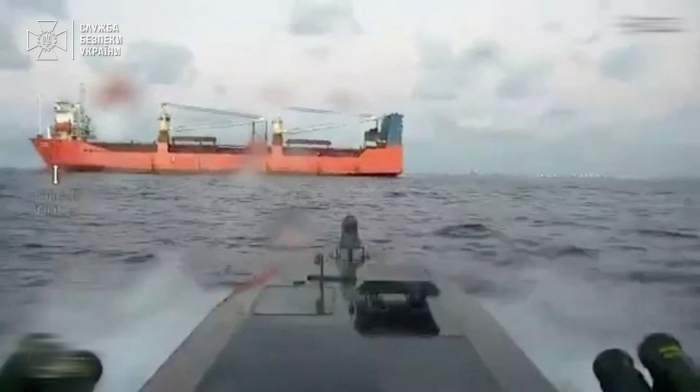
- trying to obstruct Russian cargo ships in the Baltic Sea
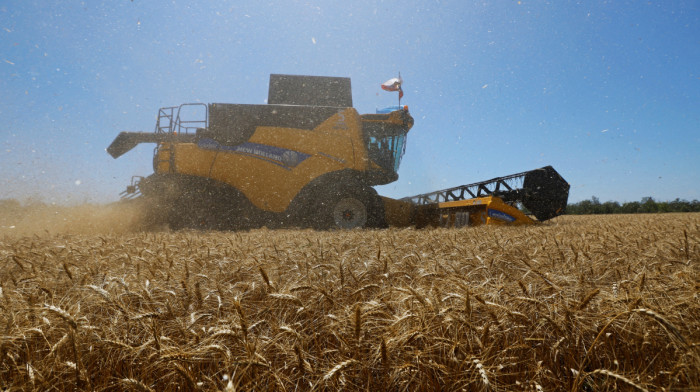
- banning the transit of Russian and Belarusian grain
- seeking to ban the Russian language
- threatening to close the Russian Orthodox Church
“The Russian side reserves the right to take comprehensive political and diplomatic measures aimed at protecting Russia's national interests and the legitimate rights of its citizens,” the ministry said.
Zakharova: 'Openly confrontational'
After the closure was announced, Foreign Ministry spokeswoman Maria Zakharova described it as “openly confrontational”. She said the decision had been taken under the pretext of the alleged arson attempt.
“The unilateral closure of border crossing points violates the rights and interests of a significant number of Russian compatriots,” she said.
Zakharova said the move would have serious economic and social consequences, particularly for Estonia's own border regions. She criticised Tallinn for acting hastily and without consulting Moscow.
She said Russia was convinced that attempts to build a “sanitary cordon” around the country and isolate it would prove costly for those behind them.
Estonia rejects airspace claim
Estonia's Foreign Ministry did not address every allegation, but denied that it allows its territory to be used for Ukrainian military operations.
“While we generally do not comment on or engage with Russian propaganda narratives, in this case we can reiterate that Estonia has never allowed, and will never allow, its territory to be used for military operations by another country,” it said. “Other countries in our region have also made this position clear.”
Foreign Minister Margus Tsahkna wrote on X late on Monday that “Russia is flooding the airwaves with baseless accusations against Estonia to distract from its own actions undermining European security”.
Drones in NATO airspace
Russia has long accused Estonia and other NATO states in the Baltic region of letting Ukrainian drones use their airspace. Ukrainian drones have frequently strayed into NATO airspace, which Kyiv attributes to Russian signal jamming.
NATO countries have repeatedly denied deliberately allowing drones through their airspace. They blame Russia for the incursions because it launched the war against Ukraine in 2022.
NATO monitoring
Speaking in Berlin, NATO Secretary General Mark Rutte cited the situation in Estonia and last week's incursion by Russian missiles into Poland as events the alliance was monitoring. He said NATO had options available to respond.
“We see situations in Poland and Estonia, etc.,” Rutte said. “When it comes to the military domain, we will always make assessments of our deterrence and defence and make updates where necessary.”
Read more:












What is your opinion on this topic?
Leave the first comment