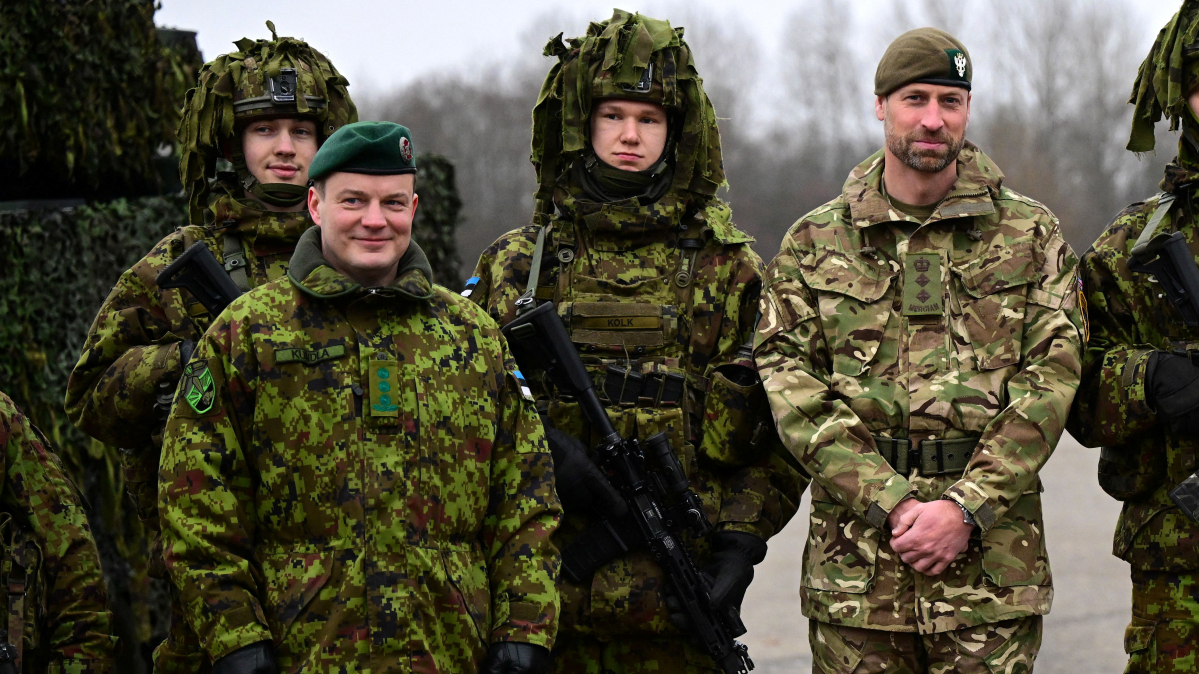
Estonia is planning to allow citizens of other NATO member states to volunteer for wartime defence roles under proposed legislation, according to reports by public broadcaster ERR News.
Focus on wartime preparedness
The draft amendments would allow eligible foreign members of the Estonian Defence League to serve in positions requiring military rank, provided they do so voluntarily. The proposal would not introduce compulsory military service for foreign nationals.
According to the report, the changes would create an opt-in system for NATO citizens aged 18 and over who have taken a military oath, enabling them to participate more formally in Estonia's defence structure.
Officials say the proposed legislation is intended to strengthen defence planning and improve the organisation of Estonia's wartime capabilities.
The amendments would establish a legal framework for appointing NATO citizens to wartime roles, helping military planners determine personnel requirements, training needs, command arrangements and equipment allocations in advance.
The move comes as Estonia continues to invest heavily in defence and deterrence measures amid heightened security concerns in the Baltic region.
Expanded role for Defence League supporters
The legislation would also expand the responsibilities of supporting members of the Estonian Defence League.
Under the proposals, these members would be able to play a greater role in crisis response and emergency management, extending their contribution beyond traditional support functions.
Supporters of the bill argue the changes could strengthen national resilience during emergencies and improve coordination between civilian and military organisations.
Questions over necessity and oversight
Not everyone is convinced the changes are necessary.
A legal analysis prepared for parliament's National Defence Committee questioned the rationale for recruiting foreign citizens, noting that the Defence League and its affiliated organisations already have more than 30,000 members.
The review also raised concerns about practical issues, including language proficiency, medical requirements and security screening for foreign volunteers.
According to the analysis, the draft legislation does not clearly explain how background checks or other eligibility assessments would be carried out for non-Estonian applicants.
Expected to take effect in 2027
If approved, the legislation is expected to come into force on 1 January 2027.
The proposal highlights Estonia's efforts to deepen cooperation with NATO allies while adapting its defence framework to evolving security challenges.
The debate is likely to focus on balancing greater participation by allied citizens with the practical and legal considerations involved in integrating foreign volunteers into national defence structures.


















What is your opinion on this topic?
Leave the first comment