Türkiye, Pakistan and Saudi Arabia are taking “concrete steps” to make a recently signed joint defence pact operational, Turkish Foreign Minister Hakan Fidan said Thursday.
Fidan said officials from the three countries were in technical talks regarding the agreement’s “institutional structure,” including its headquarters, personnel and working arrangements.
Ankara hopes to further expand the trilateral pact, he added, without naming potential new members.
The Mecca Joint Defence Agreement was signed last month amid steadily widening regional conflict.
Under the agreement’s terms, an armed attack on Türkiye, Pakistan or Saudi Arabia would be viewed as an attack on all three, echoing the collective-defence principle underpinning the Western NATO alliance.
What this means in practice, however, remains uncertain, especially in light of recent Houthi attacks on Saudi Arabia.
Developing specific criteria
The pact’s three founding members must first establish consultation and decision-making mechanisms and determine what kind of joint military response would follow an external attack.
Previous public statements suggest that activation would not automatically trigger military action, while implementation will also depend on each country’s constitutional process, including parliamentary approval where necessary.
Speaking to reporters, Fidan reiterated Ankara’s support for Saudi Arabia, saying it was “unacceptable” that the oil-rich Gulf kingdom was facing attacks “from both the south and the north,” including strikes that Riyadh claims were carried out from Iraqi territory.
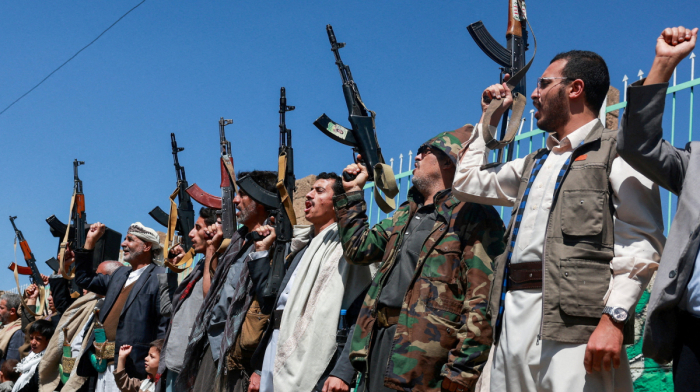
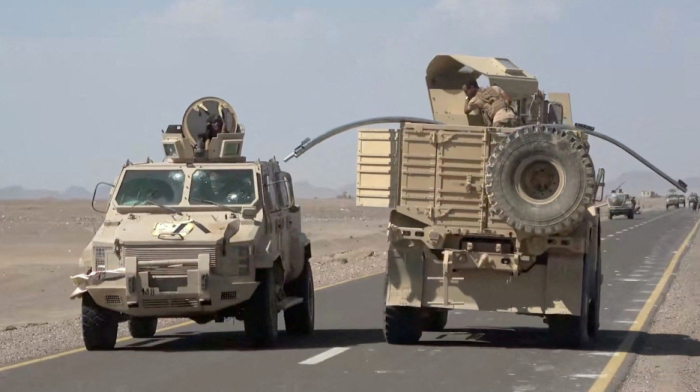
Fidan’s remarks followed a series of missile and drone attacks on Saudi military and energy infrastructure by Yemen’s Houthi group.
The Saudi air force, meanwhile, has reportedly carried out hundreds of airstrikes inside Yemeni territory.
Responsibility for several of these incidents remains disputed, with the Houthis denying Riyadh’s claims that the Yemeni group had targeted holy sites in Saudi Arabia.
Spy chiefs meet
In a related development, Turkish intelligence chief Ibrahim Kalin visited Pakistan on Thursday, where he met his Pakistani counterpart, Asim Malik, along with Pakistan’s prime minister and defence chief.
According to Turkish security sources, talks covered bilateral cooperation, regional security, and the political and economic consequences of the ongoing U.S.-Israeli war with Iran.
They also reportedly assessed the risks of a widening regional conflict, including escalating tensions between Saudi Arabia and Yemen’s Ansar Allah group, also known as the Houthis.
The talks also reportedly touched on the Mecca pact as a potential framework for consultation, deterrence and coordinated action.
Ongoing technical discussions suggest that the pact remains a strictly political commitment, the credibility of which will depend on agreed procedures and how members respond to future attacks.
Read more:













What is your opinion on this topic?
Leave the first comment