A century-old collection of postcards is bringing the human stories behind Azerbaijan's oil boom to life in a new documentary produced by AnewZ in partnership with the State Oil Company of the Republic of Azerbaijan (SOCAR).
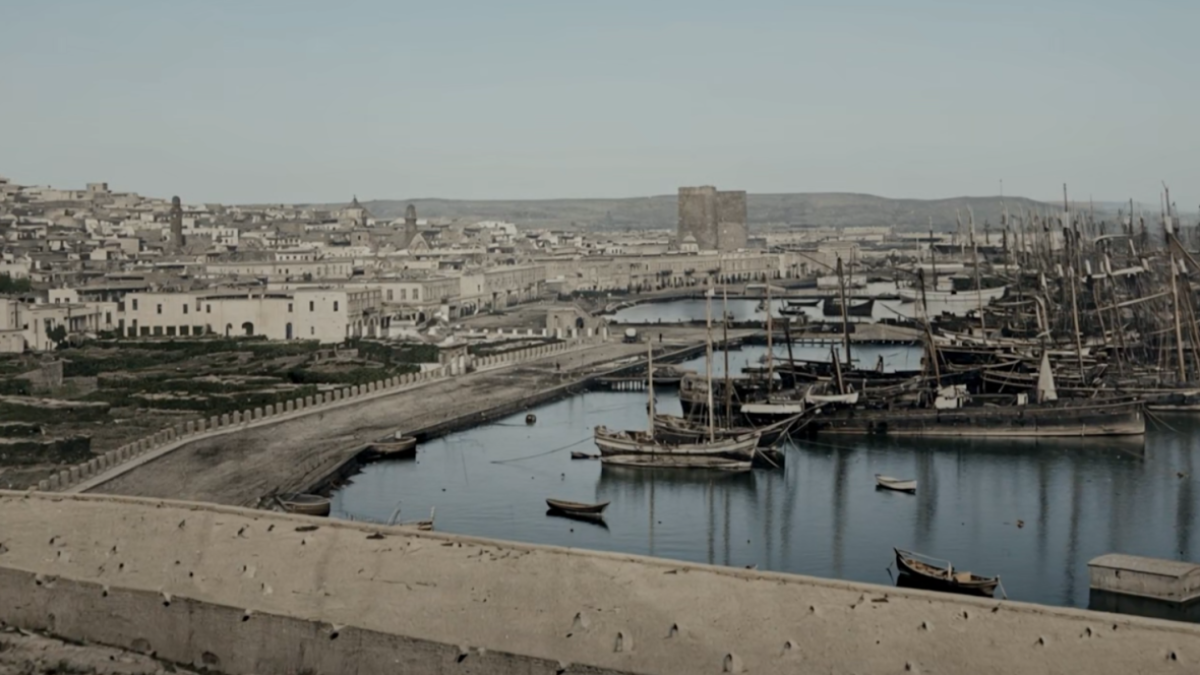
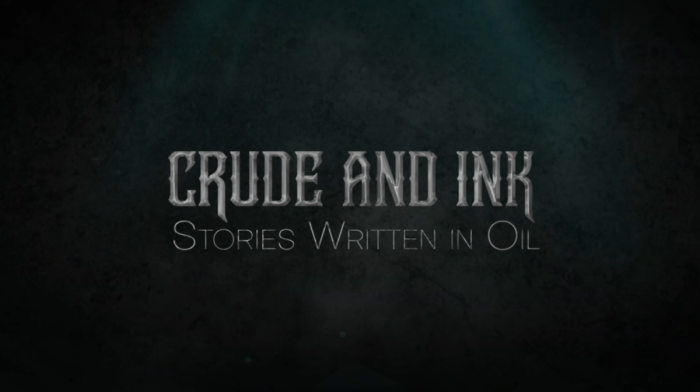
Crude & Ink: Stories Written in Oil takes viewers back to the late 19th and early 20th centuries, when Baku emerged as a major international centre of industry, trade and culture.
The documentary premiered in Baku at an event attended by Leyla Aliyeva, Vice President of the Heydar Aliyev Foundation, alongside officials and media representatives.
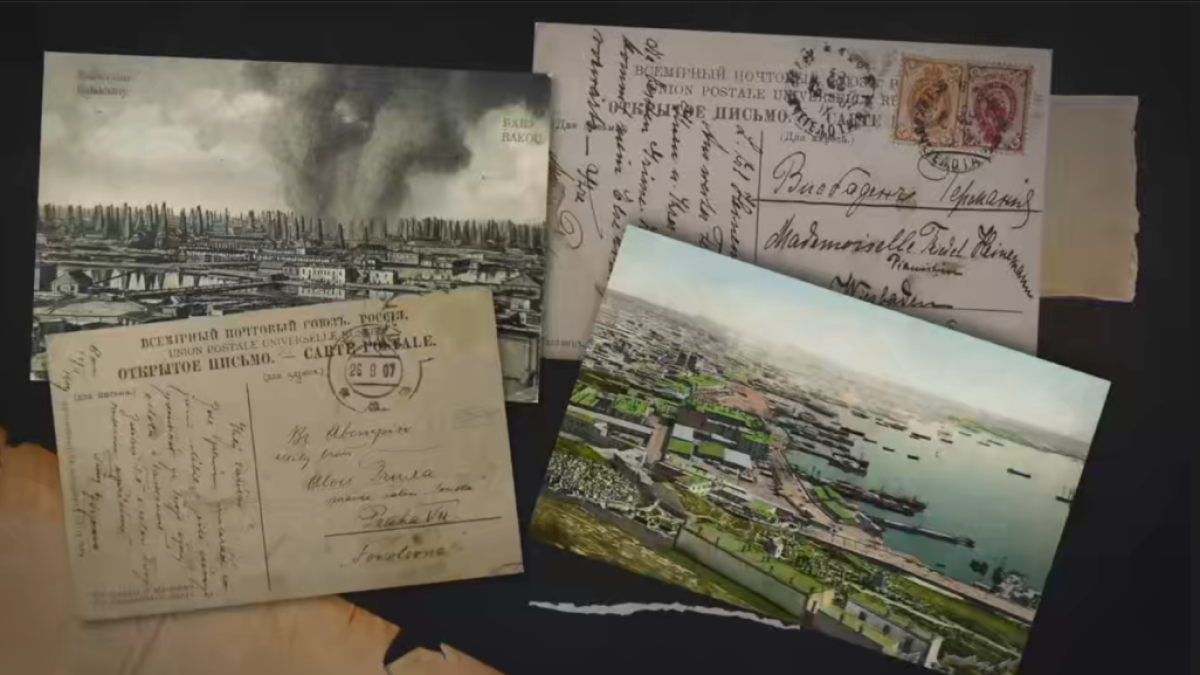
Drawing on 103 historical postcards and nine personal stories, the film offers a glimpse into everyday life during one of the most transformative periods in Azerbaijan's history.
The people behind Baku's oil boom
Baku's oil boom is often remembered for its industrial achievements, grand architecture and economic growth. But behind that transformation were people whose personal experiences helped shape the city's history.
The documentary centres on letters and postcards written by people who came to Baku from different parts of the world during the oil boom. Their correspondence offers accounts of love, separation, family life and everyday concerns, revealing a more personal side of the city's rapid development.
A story built around expatriates' experience
Aygun Huseynova, SOCAR's Chief Communications Officer, described the film as the company's latest corporate social responsibility project, developed jointly with AnewZ.
She said the correspondence was written by expatriates who had come to Baku more than a century ago and sent accounts of their lives back to their families.
“What I find fascinating is that these people could never have imagined that one day their simple letters home would become part of the big history of the Baku oil boom,” Huseynova said.
Rufat Hamzayev, AnewZ's Executive Director, said SOCAR's National Archives had provided the production team with 103 postcards six months before the project began.
He said the material revealed everyday concerns in Baku at the time, as well as the lives of people from different countries, languages, religions and ethnic backgrounds.
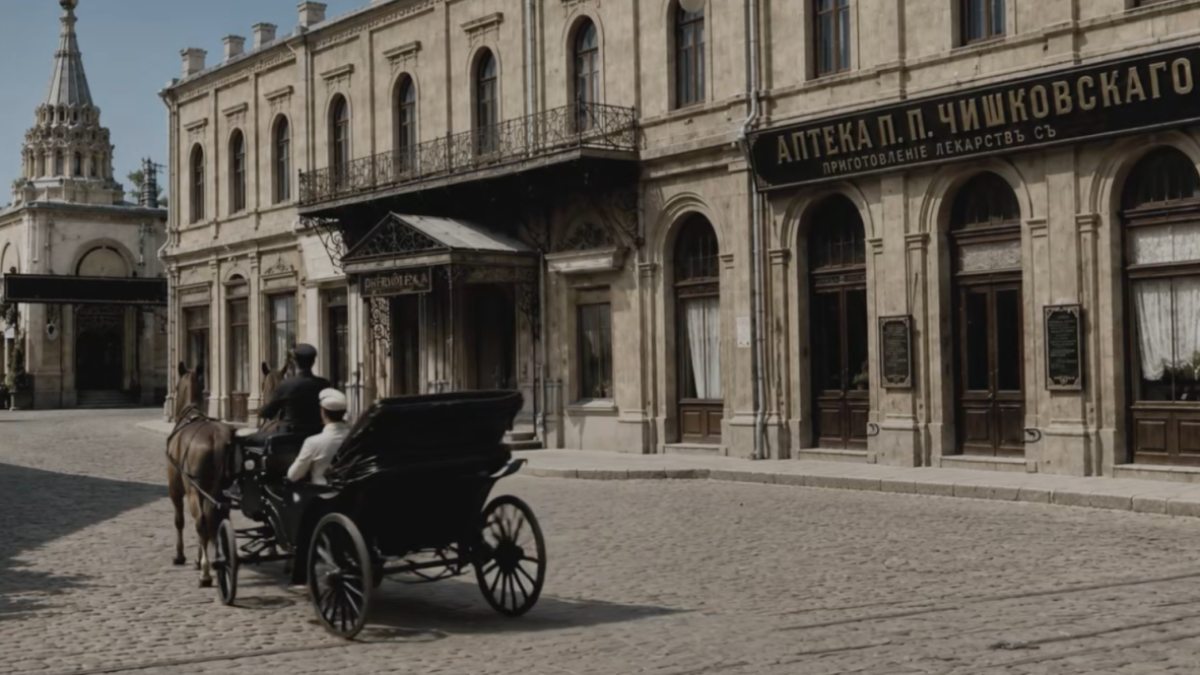
The film combines archival documents, restored photographs and visual reconstructions to bring these accounts to the screen.
Director Elnur Mammadov said the production involved 20 people, from the driver to the scriptwriter, each contributing to the project.
He described bringing the experiences of people from the past to contemporary audiences as one of the film's most compelling aspects.
An international city shaped by oil
The year 1872 marked a turning point in Baku's oil industry, when a new system for leasing oil fields opened the sector to greater competition and investment.
Local entrepreneurs, including Haji Zeynalabdin Taghiyev, Murtuza Mukhtarov and Shamsi Asadullayev, also played major roles in the industry's development.
Oil had long been an important resource in Azerbaijan, with historical uses extending beyond industrial production. As Baku developed into a major administrative and economic centre of the Russian Empire, the growing oil industry accelerated the city's transformation.
The boom attracted workers, entrepreneurs and families from across the world. Communities with different languages, religions and traditions lived and worked alongside one another, helping turn Baku into a diverse international hub.
Their influence remains visible in the city's architecture and cultural heritage.
Rather than focusing solely on industrial milestones and prominent figures, Crude & Ink: Stories Written in Oil explores the experiences of ordinary people who witnessed the transformation.
The project also involved extensive research into archival records, family histories and surviving locations connected to Azerbaijan's oil industry.
A century of oil and cinema
The documentary also reflects the longstanding connection between Azerbaijan's oil industry and its cinematic heritage.
Some of the country's earliest films, shot in Baku in 1898, captured scenes from the oil industry, establishing a relationship between petroleum and filmmaking that stretches back more than a century.
That tradition continued in 1916 with In the Kingdom of Oil and Millions, regarded as Azerbaijan's first full-length feature film and financed by Baku oil entrepreneurs.
More than a century later, Crude & Ink: Stories Written in Oil revisits this defining period through personal correspondence and the memories of those whose lives were connected to the city.
The joint AnewZ-SOCAR project aims to preserve Azerbaijan's energy heritage, pass its historical memory on to future generations and introduce international audiences to Baku's role in global industrial and economic development.
By bringing forgotten letters and historical images to the screen, the documentary offers a portrait of a city transformed by oil — and of the people whose lives became part of its history.















What is your opinion on this topic?
Leave the first comment