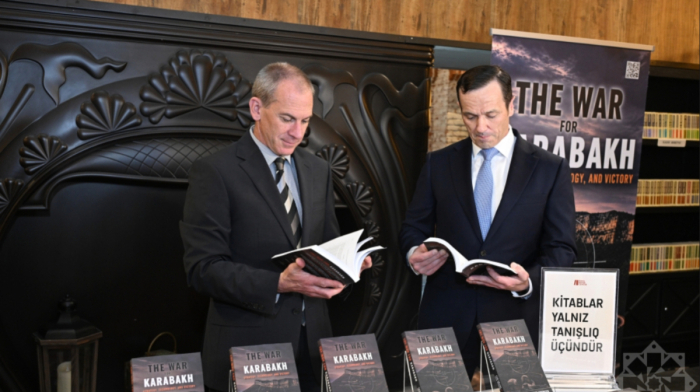
A new book examining Azerbaijan’s military strategy, technology and operations during the Garabagh wars has been unveiled in Baku, offering insights into the country’s victories and lessons for modern warfare.
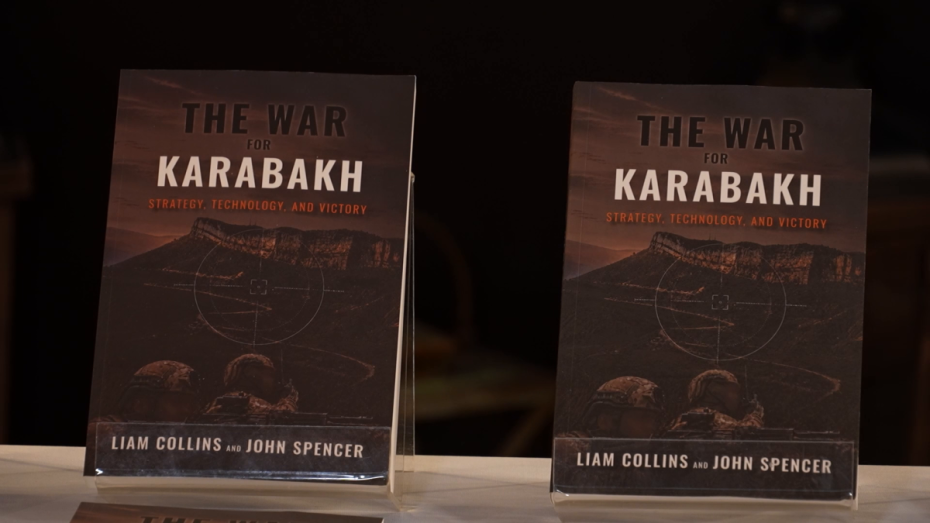
Presented at the Baku Book Centre, the book, “The War for Karabakh: Strategy, Technology, and Victory,” was co-authored by U.S. military experts Liam Collins and John Spencer.
It traces the history of the conflict, covering the First Garabagh War, the 44-day Patriotic War in 2020 and Azerbaijan’s 2023 anti-terrorist measures.
The book also examines key military operations in Hadrut, Fuzuli, Zangilan and Gubadli, alongside the battle for Shusha.
Drawing on interviews with around 100 military and civilian specialists and visits to major battlefields, the research offers an in-depth look at Azerbaijan’s military campaigns.
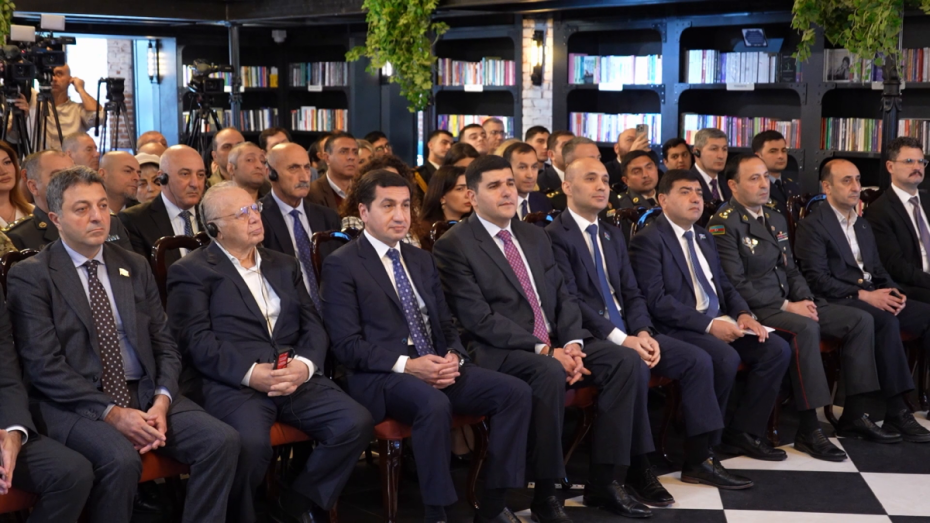
The launch brought together government officials, military experts, academics, diplomats and policymakers to discuss the book’s findings and their implications for modern warfare.
Speed and strategy behind the 44-day victory
Collins argued that Azerbaijan’s victory in the 44-day Patriotic War was not simply the result of drone technology, but the culmination of more than two decades of strategic planning.
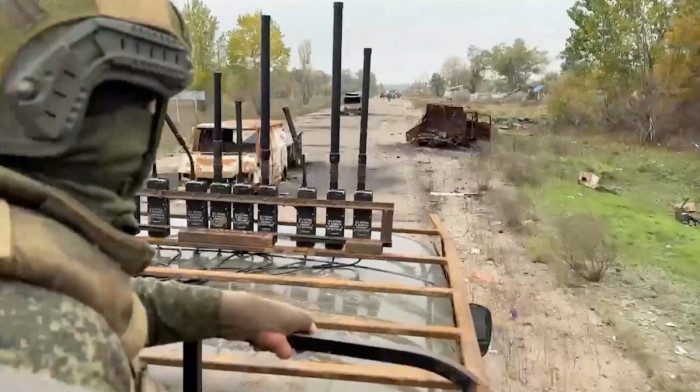
He highlighted the speed of the campaign and the coordination of military and national resources, contrasting Azerbaijan’s 44-day victory with Russia’s prolonged war in Ukraine.
“To do that in 44 days plus 24 hours. You know that Russia has not done it in Ukraine for four years now. And it's really impressive what they have accomplished. It does not mean Armenians did not fight. They fought hard. They just did not have a good plan and did not execute it right,” Collins said.
Technology and modern military operations
Spencer highlighted how Azerbaijan combined advanced technology with ground manoeuvres and coordinated military operations, describing the approach as a defining feature of the campaign.
“We have visited the region more than six times. I made my first visit in 2021 to study the Battle of Shusha. This was the decisive battle that secured Azerbaijan's victory. We subsequently returned five more times to other battlefields discussed in the book. We wanted to better understand the terrain and the decisions made during those battles,” Spencer said.
Both authors emphasised that drones and precision weapons alone did not determine the outcome of the war.
Instead, their research highlights the importance of long-term military reforms, economic development, strategic planning and coordination across military forces.
The book also examines the changing role of technology on the battlefield, while stressing that preparation, effective planning and the integration of military capabilities remain crucial to success in modern warfare.
Read more:













What is your opinion on this topic?
Leave the first comment