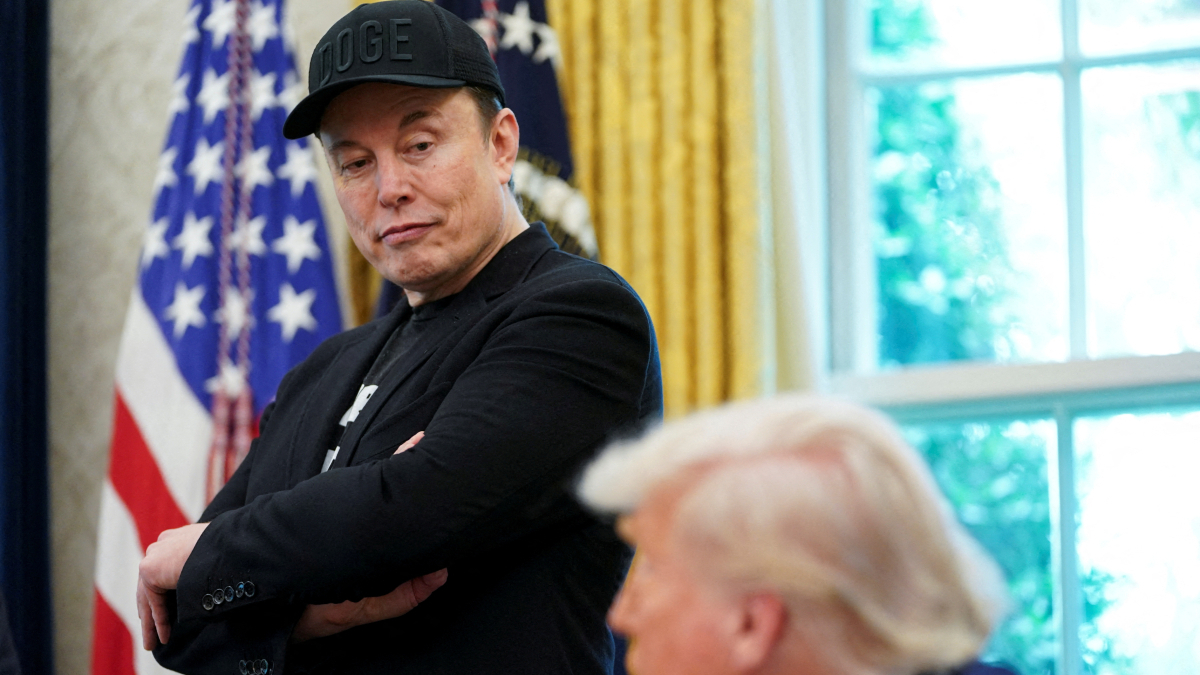
Elon Musk was not on the ballot in Tuesday’s U.S. midterm elections, but he emerged as one of the biggest losers after Democrats swept to victory, threatening his political influence and exposing his business empire to greater scrutiny.
The billionaire’s massive investment in Republican candidates failed to stop a Democratic landslide, leaving his companies facing the prospect of tougher oversight in Washington and Texas.
Musk, the world’s richest man, spent nearly half a billion dollars supporting Republicans, including efforts to keep Texas under Republican control. The state is home to electric carmaker Tesla, aerospace and artificial intelligence giant SpaceX and a planned joint chipmaking venture.
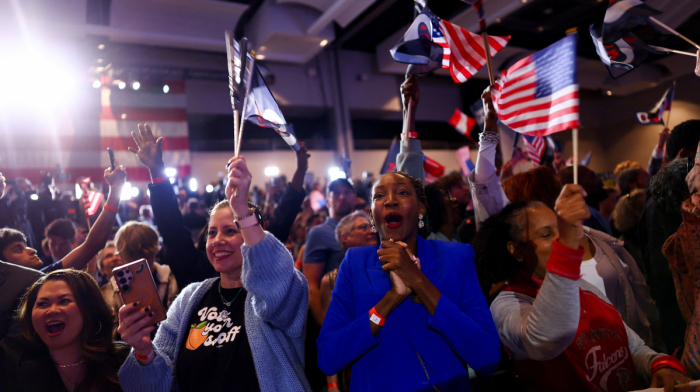
The gamble backfired. Democrats seized control of both chambers of Congress, while Gina Hinojosa defeated Republican Governor Greg Abbott in Texas, becoming the state's first Democratic governor in more than 30 years.
The results also dealt a major blow to U.S. President Donald Trump, Musk's close political ally, whose election campaign the billionaire helped finance.
Markets react to Democratic victory
Investors responded swiftly to the election results, with SpaceX shares falling 5.5 per cent and Tesla dropping 5.1 per cent. Both stocks underperformed the broader market.
Musk had urged his followers on X to vote Republican as late as election day, but has since deleted the post.
Democrats prepare to scrutinise Musk's empire
As the Republican Party's biggest donor, Musk now faces an emboldened Democratic Party after years of openly antagonising its members.
Last month, Musk threatened retaliation on X following reports that Democrats were considering investigations into his companies if they won control of Congress.
Democratic lawmakers have already examined several aspects of his business and political activities, including restrictions on satellite communications used by Ukraine’s military, large-scale federal job cuts during his leadership of DOGE, and government contracts and subsidies awarded to his companies.
Robert Garcia, who is expected to chair the House Oversight Committee, issued a blunt warning to Republicans and their allies on Tuesday evening: “Lawyer up.”
AI expansion faces growing political risks
One of the biggest threats to Musk's business ambitions lies in the rapid expansion of artificial intelligence infrastructure.
SpaceX’s AI business revolves around Colossus and Colossus II, near Memphis, which rank among the world's largest AI data centres.
Renting their computing power to customers, including Anthropic, has fuelled rapid revenue growth and helped SpaceX achieve its first profit as a publicly traded company.
Ahead of its stock market debut, SpaceX told investors it was targeting a potential market worth $28.5 trillion. But capitalising on that opportunity requires a vast expansion of data-centre capacity.
The company aims to increase capacity from 1.7 gigawatts at the end of September to up to 3 gigawatts by the end of this year, with a further jump to 13 gigawatts planned for next year.
Chip research firm SemiAnalysis has identified more than 9 gigawatts of additional capacity either planned or under development, including facilities at SpaceX’s Starbase complex in Boca Chica, Texas.
But those ambitions could face mounting political resistance.
Analysts expect Democrats to intensify scrutiny of data-centre developments and push for construction moratoriums, amid growing local opposition over rising electricity costs.
Any delays could undermine Musk's revenue targets and deepen investor concerns about the soaring cost of AI infrastructure.
“A Democratic sweep of Congress would put pressure on tech and potentially bring regulatory pressure on everything AI and possibly slow down the wild, wild west growth figures that we see daily and often take for granted,” said Jake Dollarhide, chief executive of Longbow Asset Management.
Dollarhide also described Musk as “the Hail Mary for Republicans” during the final stages of the election campaign.
“Unfortunately, his large infusion of cash to back red states could not overcome higher utility bills, prices at the grocery store and prices at the gas pump,” he said.
Texas election adds to Musk's troubles
The political fallout extends beyond Washington to Texas, where Musk now faces a Democratic governor with whom he has already clashed.
Hinojosa previously sued to obtain correspondence between Musk and Abbott, accusing the former governor of offering the billionaire favourable deals at the state's expense.
She has also criticised Abbott’s efforts to restrict data-centre development as political theatre, calling instead for an immediate freeze on new projects until stronger protections for local communities are introduced.
Hinojosa has also demanded an end to tax breaks for such developments.
Those proposals could directly affect SpaceX's planned expansion in Boca Chica.
After Texas Monthly reported that officials had discussed a possible sale of a beachfront state park to SpaceX, Hinojosa publicly opposed the idea.
“Let me be clear: Texas is not for sale,” she said last month.
Musk faces another political adversary in newly elected U.S. Senator James Talarico, whose Republican opponent, Ken Paxton, received substantial financial backing from the billionaire.
Musk looks to space as pressure mounts
Despite the setbacks, Musk appeared unfazed by the prospect of tighter regulation.
“Data centres in space looking pretty appealing right now,” he wrote on X.
The remark alluded to SpaceX's ambitious proposal to deploy data centres in orbit, although the concept faces significant technical challenges, particularly cooling systems and maintenance.
With Democrats preparing to take control of Congress and Hinojosa set to become Texas governor in January, Musk faces a potentially difficult political and regulatory landscape.
Whether the new leadership launches investigations or imposes restrictions on data-centre expansion could determine the true cost of his failed election gamble.
Read more:















What is your opinion on this topic?
Leave the first comment