Uzbekistan has launched 145 investment projects worth $7.8 billion in its Bukhara region, aiming to create more than 14,000 jobs, boost industrial production and exports, and drive economic growth beyond the capital, Tashkent.
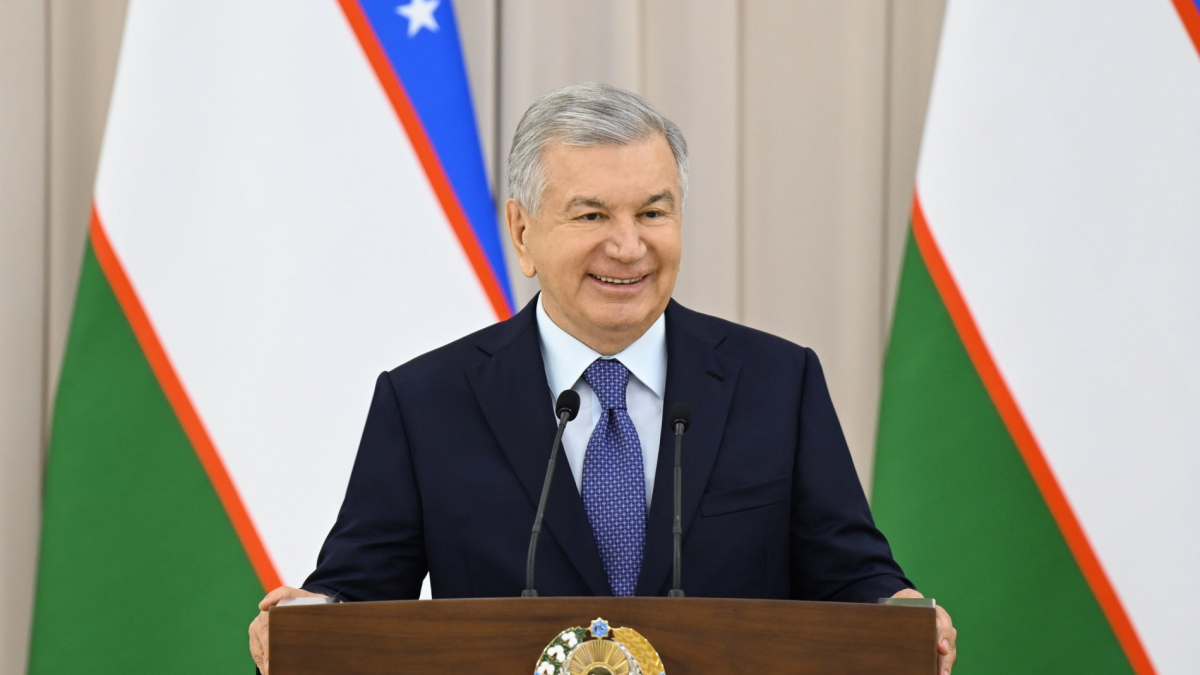
President Shavkat Mirziyoyev attended the launch ceremony on 3 November. The programme includes 55 facilities worth $654 million that are being brought into operation, alongside 90 new projects valued at $7.1 billion on which construction is beginning.
The investment drive builds on Bukhara’s growing industrial base and aims to unlock further economic potential.Over the past nine years, the region has attracted $9.5 billion in foreign investment, established around 6,000 production enterprises and created 120,000 permanent jobs.
The latest projects are designed to expand this industrial base, strengthen manufacturing and open up new export opportunities.
Energy and manufacturing drive investment
Bukhara is already a major centre for Uzbekistan’s oil and gas industry, providing a strong foundation for investment in processing and petrochemicals.
Among the largest developments is a $292 million expansion of the Tekhnochem petrochemical cluster, scheduled for completion by the end of 2028. The project will add 400,000 tonnes of annual processing capacity and create 700 jobs.
The Bukhara Oil Refinery is also undergoing a planned $328 million modernisation aimed at increasing its annual processing capacity to five million tonnes and boosting output of higher-quality petrol, including AI-92 and AI-95 grades that meet Euro-5 standards.
The refinery employs more than 3,200 people and produced 1.36 million tonnes of petroleum products in the first nine months of 2026.
The investment push extends beyond oil and gas. New wind power facilities are planned, while a $165 million waste-to-energy plant in Kagan district will convert household waste into electricity.
Manufacturing is also set for a boost, with a $400 million cotton and textile complex planned in Romitan district to expand the region’s existing textile industry.
Tourism and infrastructure set for major expansion
Bukhara’s historic appeal is also central to the investment programme, with new tourism projects aimed at encouraging longer stays and attracting international events.
A $105 million tourism centre covering 50 hectares (0.5 square kilometres) is being developed, featuring hotels, a museum, an exhibition hall, family guest houses, craft centres and a 2,000-seat amphitheatre.
A $60 million congress hall is also planned, alongside international hotels, including Hilton Garden Inn and Holiday Inn. The new facilities are intended to attract conferences and major events while broadening the region’s tourism offering.
Beyond tourism, the programme includes major upgrades to water supplies and transport infrastructure.
Two water projects worth $633 million are expected to improve supplies for around two million residents, while seven road projects valued at $565 million aim to improve connectivity and strengthen Bukhara’s role as a regional transit hub.
Why investment beyond Tashkent matters
Bukhara region is home to around 2.1 million people across approximately 40,200 square kilometres. By comparison, Tashkent region has around 3.8 million residents in an area of roughly 15,300 square kilometres.
The figures highlight a sharp contrast in population density and the different pressures facing the two regions.
Concentrating jobs, investment and services around the capital can place growing strain on housing, transport and public infrastructure. Expanding economic opportunities elsewhere could help ease that pressure by allowing more people to find work and establish businesses closer to home.
Bukhara’s investment programme is intended to support that shift, drawing on the region’s energy resources, agricultural production, industrial facilities and internationally recognised cultural heritage.
Alongside the projected 14,000-plus jobs, the projects are expected to generate $510 million in exports and industrial output worth 22 trillion soums.
The key test will be whether the planned investments translate into functioning businesses, lasting employment and sustained economic growth.
If successfully implemented, the programme could strengthen Bukhara’s position as a major industrial, tourism and business centre, helping Uzbekistan build a more geographically balanced economy.
Read more:













What is your opinion on this topic?
Leave the first comment