The United States cast Israel-Lebanon talks held in Washington on Thursday as "productive and positive" and a State Department official said more discussions aimed at ending their conflict will continue on Friday.
A senior Lebanese official said earlier that Lebanon will demand that U.S. ally Israel cease fire in the face-to-face talks, as Israel and Hezbollah continued to trade blows despite a U.S.-backed ceasefire declared last month.
An Israeli government spokesperson said the talks were taking place with the goal of disarming Hezbollah and reaching a peace agreement.
A State Department official said a meeting of Lebanese and Israeli envoys, along with U.S. officials, started at about 9 a.m. EDT (1300 GMT) and ended eight hours later.
The U.S. official said there was a "full day of productive and positive talks" on Thursday that will continue on Friday.
The talks are the sides' third meeting since Israel intensified air attacks on Lebanon after Hezbollah fired missiles at Israel on 2 March, three days into the U.S.-Israeli war on Iran.
Fought in parallel to the U.S.-Iran conflict, Israel's war in Lebanon has rumbled on since U.S. President Donald Trump declared a ceasefire on 16 April.
The fragile pause is due to expire on Sunday (17 May).
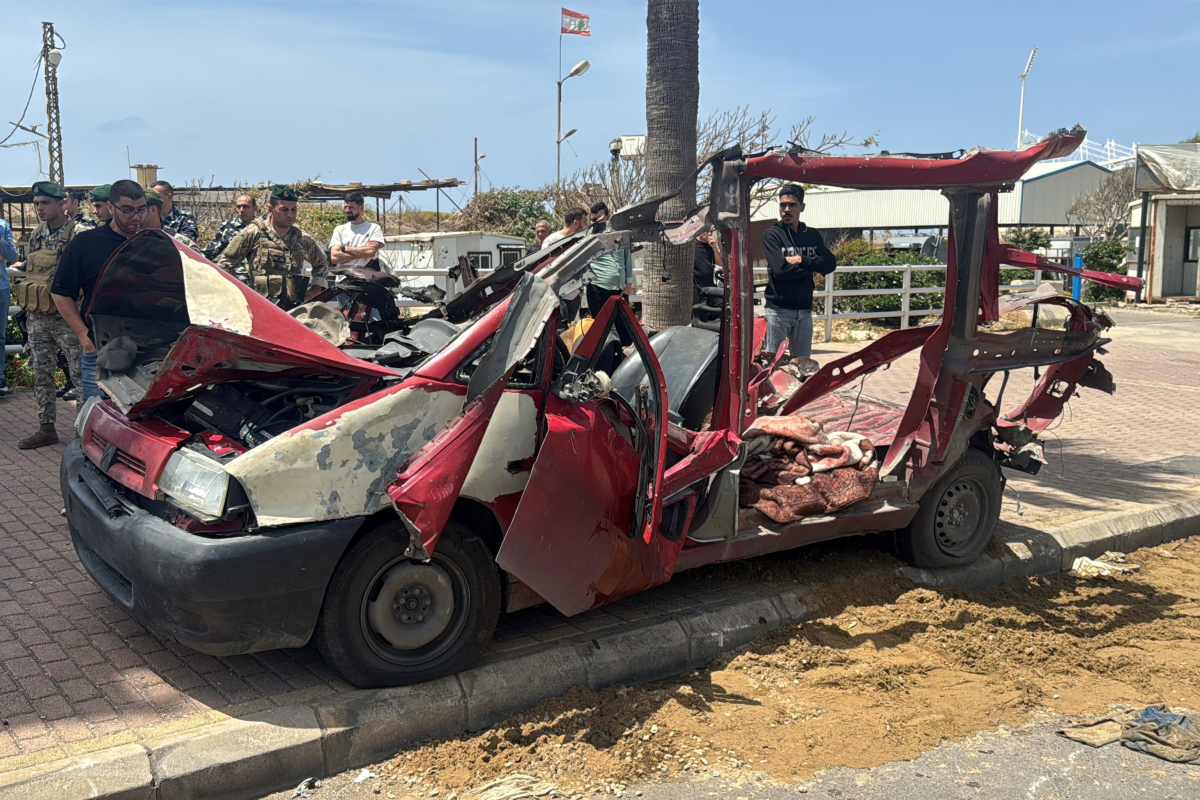
With Lebanon's health ministry reporting 22 people killed in Israeli strikes on Wednesday, including eight children, the senior Lebanese official said the Lebanese delegation would seek "a ceasefire that Israel implements".
Escalation continues on the ground
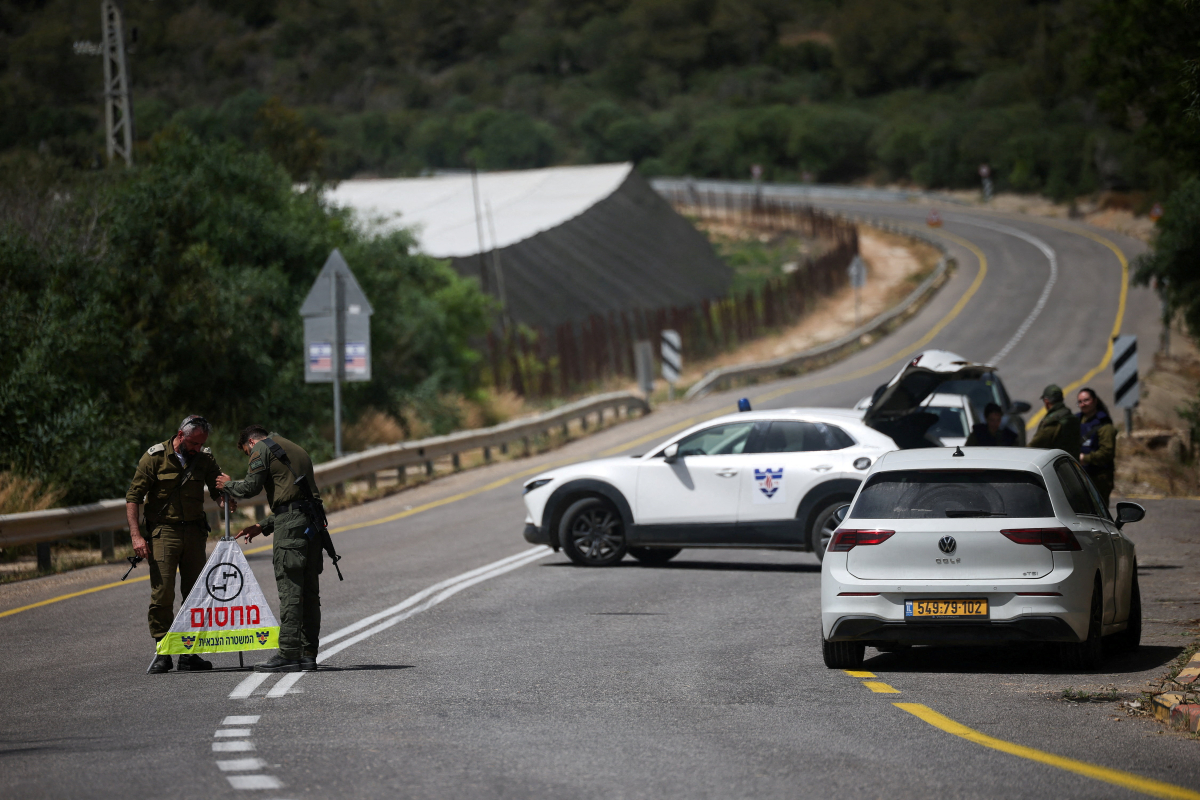
The Israeli military said an explosive drone launched by Hezbollah fell within Israeli territory near the border and injured several Israeli civilians.
Israel has kept troops in a self-declared security zone in south Lebanon, saying this aims to shield northern Israel from attack by Hezbollah.
The Israeli military said it carried out a new wave of attacks on Hezbollah sites in southern Lebanon on Thursday and Hezbollah confirmed it carried out 17 attacks on Israeli troops in the south on Wednesday.
Lebanon and Israel broaden delegations
Lebanese President Joseph Aoun's decision to pursue the talks reflects deep divisions in Lebanon over Hezbollah, founded by Iran's Revolutionary Guards (IRGC) in 1982. The Beirut government has sought its disarmament since last year.
When the 16 April ceasefire was announced, Israeli Prime Minister Benjamin Netanyahu said Hezbollah's disarmament would be a fundamental demand in peace talks with Lebanon.
The Washington meetings mark the highest-level contact between Lebanon and Israel in decades.
Broadened delegations in Washington talks
Both Lebanon and Israel are broadening their delegations for this round, after the sides were represented by their ambassadors to Washington in the previous two meetings.
Lebanese Presidential Special Envoy Simon Karam and Israel's Deputy National Security Adviser Yossi Draznin were participants in the talks, as well as senior Israeli military representatives, a State Department official said.
The U.S.-led mediation between Lebanon and Israel has emerged in parallel to diplomacy aimed at ending the U.S.-Iran conflict. Iran has said that ending Israel's war in Lebanon is one of its demands for a deal over the wider conflict.
Trump hosted the last meeting between the Lebanese and Israeli ambassadors to Washington at the Oval Office, saying at the time he looked forward to hosting Netanyahu and Aoun in the near future.
Aoun later said the timing was not right for a meeting with Netanyahu, and that Lebanon must first secure "a security agreement and a halt to the Israeli attacks, before we raise the issue of a meeting between us".










What is your opinion on this topic?
Leave the first comment