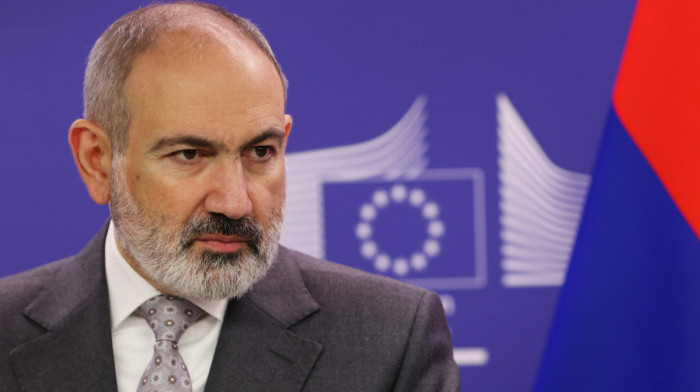
Armenia election puts Armenia's European future to the test
When Armenians vote on 7 June, they will be voting in an election shaped by months of political change and a rapidly deepening relationship with the E...
The Iranian Foreign Minister Abbas Araghchi has stated Tehran’s stand on the latest developments in the Israel and the United States war in Iran following U.S. President Donald Trump’s announcement to postpone bombing the country's energy infrastructure.
On the 25th day of the war, official news media reported that Tehran’s top diplomat held phone calls with foreign ministers of Azerbaijan, Egypt, Oman, Pakistan, Russia, South Korea, Türkiye, and Turkmenistan.
According to statements from the Foreign Ministry, Araghchi also discussed the consequences of the continued military aggression from Washington and Tel Aviv.
Speaking with the Azerbaijani Foreign Minister Jeyhun Bayramov and Turkmen Rashid Meredov, he explained the dimensions of the recent attacks on the provinces bordering the Caspian Sea, highlighting the impact of airstrikes on security and on the environment on the world’s largest inland body of water.
“It is deplorable that the territory of Islamic countries is being misused to attack Iran,” IRNA quoted him saying during talks with Turkish Foreign Minister Hakan Fidan.
Also during the phone call conversation with Russia’s top diplomat Sergei Lavorv, Araghchi “urged the UN Security Council member states to not allow the U.S. to misuse the world body and the council for its ends”.
Speaking with the Egyptian Foreign Minister Badr Abdelatty, Araghchi told a Foreign Ministry news release in Tehran, that “he explained the views of the Islamic Republic of Iran regarding the aggression and the legitimate and decisive defence of our country's armed forces against the aggressors.”
While Tehran maintains control over the Strait of Hormuz, Iran’s foreign minister told his South Korean counterpart Cho Hyon that the strategic waterway is blocked only to vessels from countries involved in the conflict and their allies.
“Other countries’ ships have no problem passing through the Strait of Hormuz in coordination with the Iranian side,” he said about the critical waterway which is used for global energy and other supplies to most Asian countries.
IRNA reported that Araghchi and Omani Foreign Minister Badr al-Busaidi said that the two ministers discussed developments related to the Strait of Hormuz and agreed to continue consultations between the two countries.
The Omani top diplomat had previously hosted two rounds of mediated nuclear negotiations between Tehran and Washington. These remained inconclusive after the U.S. side attacked Iran last June during a 12-day war, and talks in February which, despite reports of a breakthrough, stopped when the U.S. and Israel began targetting Iran.
U.S. rapper Kanye West, now known as Ye, performed to a crowd of 118,000 people in Istanbul on Saturday night, marking his first concert in Europe in more than a decade, despite being barred from performing in several countries over past antisemitic remarks.
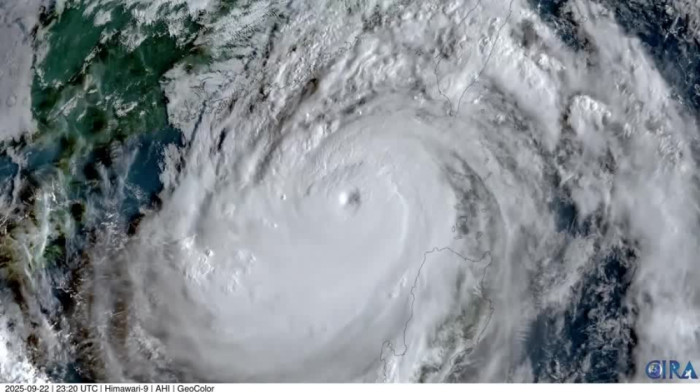
Okinawa lost transport links and suffered widespread power outages on Monday (1 June) as Severe Tropical Storm Jangmi brought destructive winds and heavy rain to Japan's south-western islands.
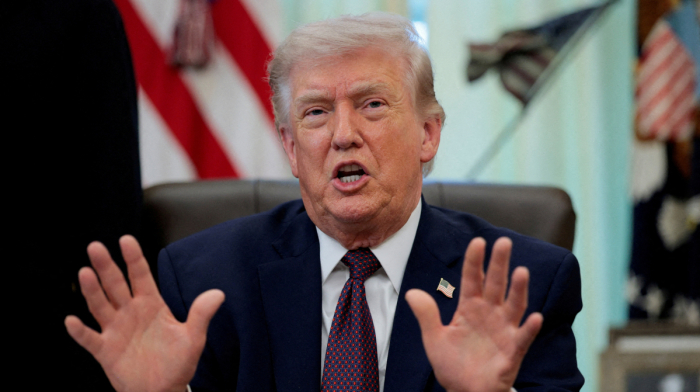
Donald Trump said he is “in no hurry” to reach a deal with Iran, insisting the U.S. is slowly getting what it wants. He warned military action remains an option if talks fail. Meanwhile, U.S. forces said they fired a missile at a vessel trying to breach Washington’s blockade of Iran.
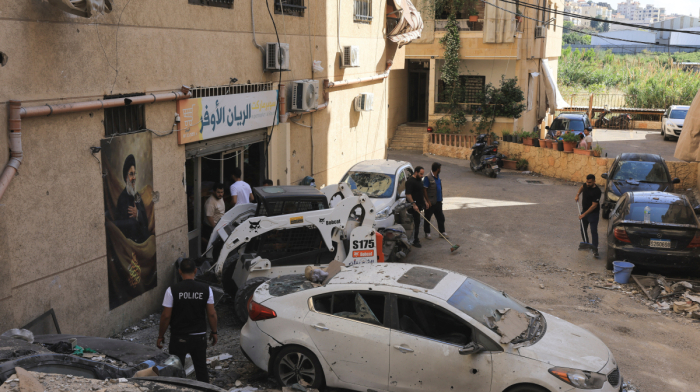
U.S. Secretary of State Marco Rubio has held talks with Lebanese President and Israeli Prime Minister on efforts to ease tensions between Israel and Lebanon. According to a U.S. official, Washington has proposed a plan aimed at achieving a gradual de-escalation of hostilities.
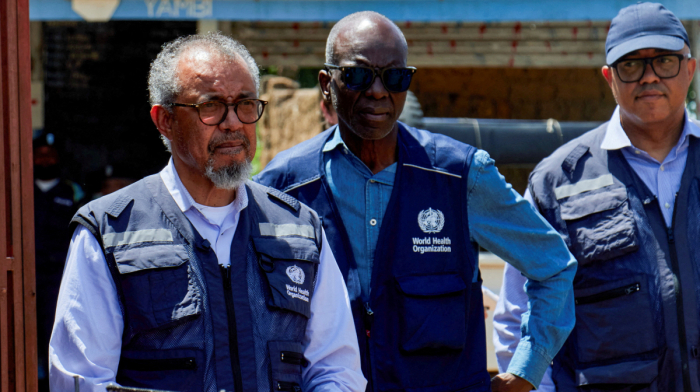
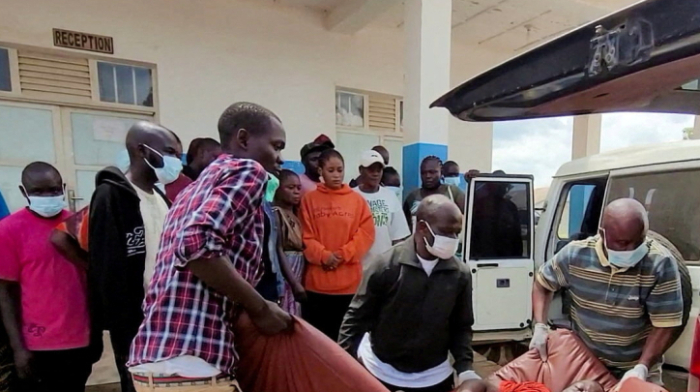
The World Health Organisation’s designation of the Bundibugyo Ebola virus outbreak as a Public Health Emergency of International Concern (PHEIC) is a stark reminder that Ebola remains a persistent global health threat rather than a disease of the past.
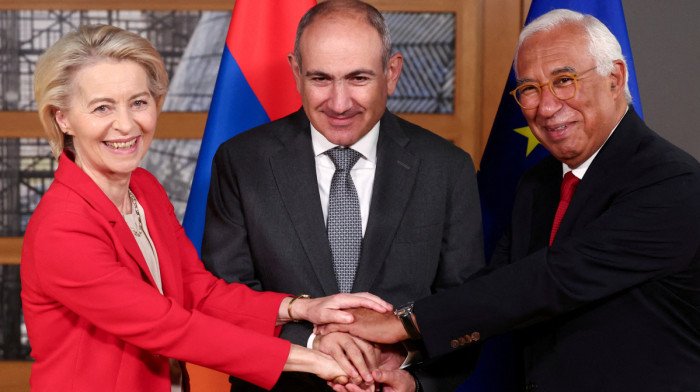
When Armenians vote on 7 June, they will be voting in an election shaped by months of political change and a rapidly deepening relationship with the European Union. The result may not only determine who governs Armenia but also the future direction of the country's geopolitical alignment.
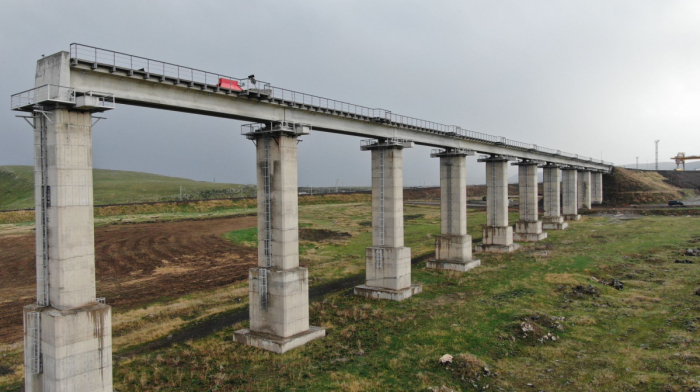
The Baku-Tbilisi-Kars (BTK) railway is resuming operations on 2 June after extensive modernisation works. Officials from Azerbaijan, Georgia and Türkiye are set to gather in Akhalkalaki for a launch event marking the reopening of one of the Middle Corridor's most important transport links.
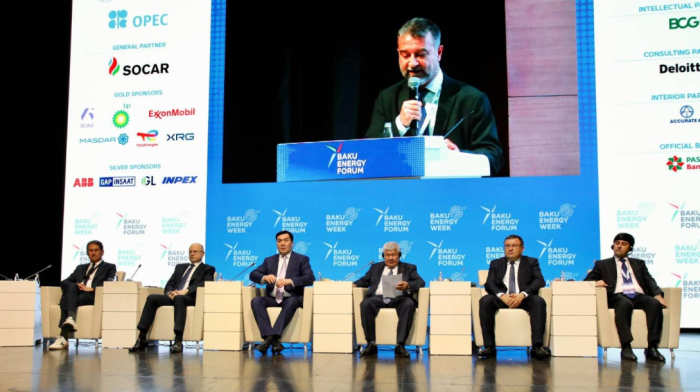
Kazakhstan is open to expanding its oil export routes through Azerbaijan and advancing joint energy infrastructure projects across the Caspian region, Energy Minister Yerlan Akkenzhenov told AnewZ in an exclusive interview in Baku.
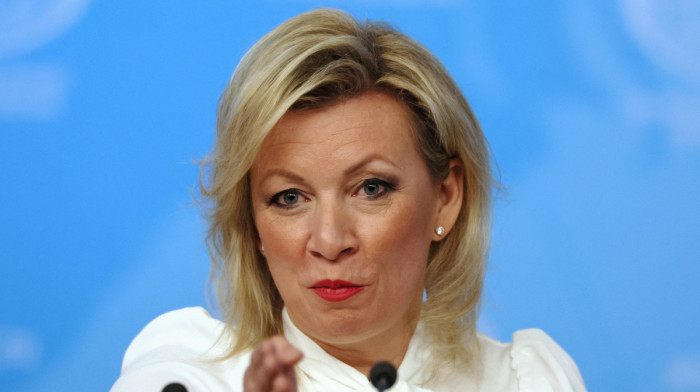
Russia's Foreign Ministry spokeswoman Maria Zakharova praised Georgia for resisting Western pressure (30 May), defending its national interests and pursuing a "multi-vector foreign policy" - language that closely mirrors the rhetoric of the ruling Georgian Dream party.
As Armenia approaches parliamentary elections, Russia appears to be increasing political and economic pressure on Yerevan, signalling that closer integration with the EU could lead to significant changes in labour, transport and energy arrangements between the two countries.
You can download the AnewZ application from Play Store and the App Store.
What is your opinion on this topic?
Leave the first comment