The Iranian Foreign Minister Abbas Araghchi has stated Tehran’s stand on the latest developments in the Israel and the United States war in Iran following U.S. President Donald Trump’s announcement to postpone bombing the country's energy infrastructure.
On the 25th day of the war, official news media reported that Tehran’s top diplomat held phone calls with foreign ministers of Azerbaijan, Egypt, Oman, Pakistan, Russia, South Korea, Türkiye, and Turkmenistan.
According to statements from the Foreign Ministry, Araghchi also discussed the consequences of the continued military aggression from Washington and Tel Aviv.
Speaking with the Azerbaijani Foreign Minister Jeyhun Bayramov and Turkmen Rashid Meredov, he explained the dimensions of the recent attacks on the provinces bordering the Caspian Sea, highlighting the impact of airstrikes on security and on the environment on the world’s largest inland body of water.
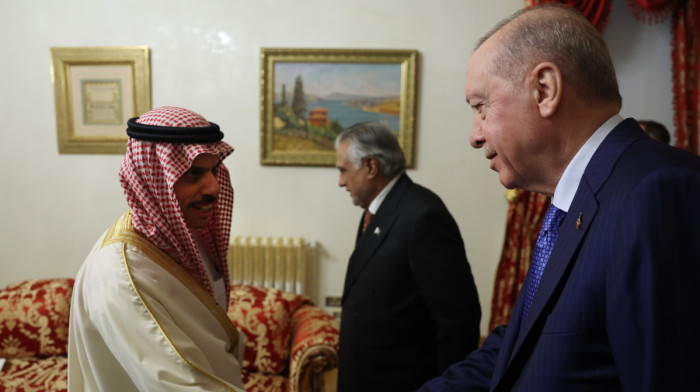
“It is deplorable that the territory of Islamic countries is being misused to attack Iran,” IRNA quoted him saying during talks with Turkish Foreign Minister Hakan Fidan.
Also during the phone call conversation with Russia’s top diplomat Sergei Lavorv, Araghchi “urged the UN Security Council member states to not allow the U.S. to misuse the world body and the council for its ends”.
Speaking with the Egyptian Foreign Minister Badr Abdelatty, Araghchi told a Foreign Ministry news release in Tehran, that “he explained the views of the Islamic Republic of Iran regarding the aggression and the legitimate and decisive defence of our country's armed forces against the aggressors.”
While Tehran maintains control over the Strait of Hormuz, Iran’s foreign minister told his South Korean counterpart Cho Hyon that the strategic waterway is blocked only to vessels from countries involved in the conflict and their allies.
“Other countries’ ships have no problem passing through the Strait of Hormuz in coordination with the Iranian side,” he said about the critical waterway which is used for global energy and other supplies to most Asian countries.
IRNA reported that Araghchi and Omani Foreign Minister Badr al-Busaidi said that the two ministers discussed developments related to the Strait of Hormuz and agreed to continue consultations between the two countries.
The Omani top diplomat had previously hosted two rounds of mediated nuclear negotiations between Tehran and Washington. These remained inconclusive after the U.S. side attacked Iran last June during a 12-day war, and talks in February which, despite reports of a breakthrough, stopped when the U.S. and Israel began targetting Iran.














What is your opinion on this topic?
Leave the first comment