Kazakhstan restores Tengiz oil output and eyes higher BTC exports
Kazakhstan has restored oil production after an accident at the Tengiz oil field briefly disrupted output last week, while also signalling its readine...
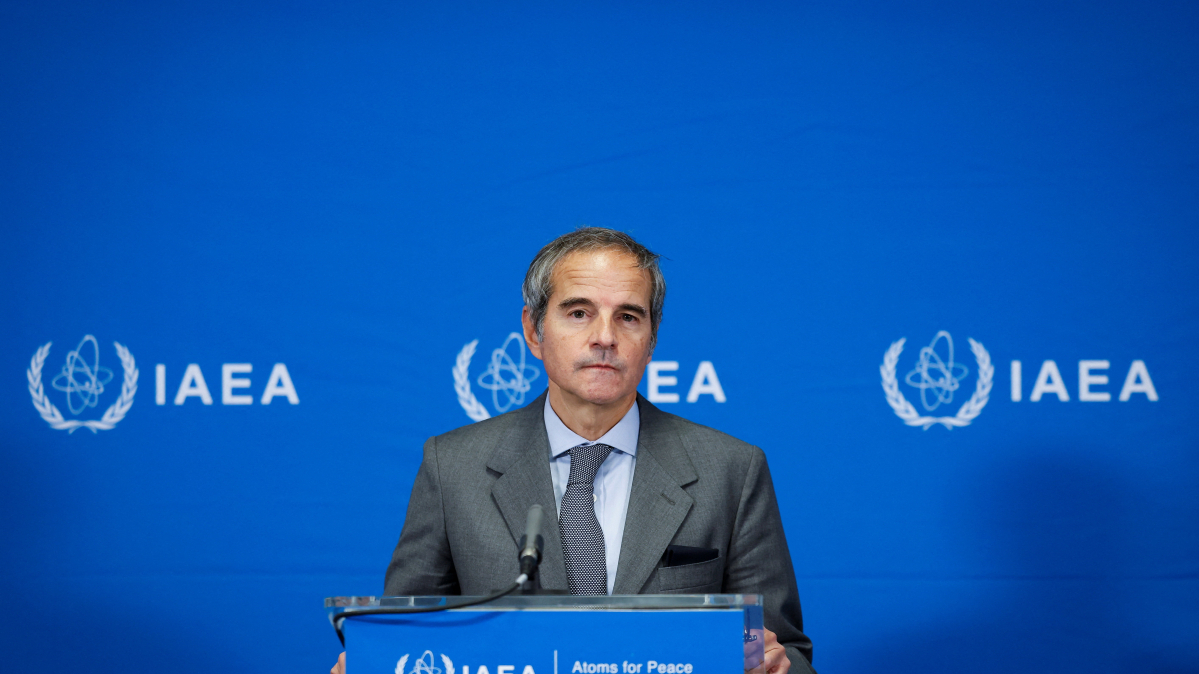
Entrances to Iran's underground and previously bombed uranium-enrichment plant at Natanz have been struck as part of the U.S.-Israeli military attacks on the country, the United Nations nuclear watchdog, the International Atomic Energy Agency (IAEZ) confirmed on Tuesday (3 March).
The underground Fuel Enrichment Plant (FEP) is one of Iran's three uranium-enrichment plants that are known to have been operating when Israel and the United States carried out strikes on Iranian nuclear facilities last June.
"Based on the latest available satellite imagery, IAEA can now confirm some recent damage to entrance buildings of Iran's underground Natanz Fuel Enrichment Plant," the International Atomic Energy Agency said on X.
"No radiological consequence expected and no additional impact detected at FEP itself, which was severely damaged in the June conflict," it added.
The IAEA’s assessment aligns with findings from the U.S.-based think tank, the Institute for Science and International Security, which published a report on Monday. Iran had claimed Natanz was hit on Sunday, but the IAEA noted that any military strikes did not cause major damage.
Earlier, speaking to the IAEA’s 35-nation Board of Governors, Director General Rafael Grossi said, “We have no indication that any of the nuclear installations … have been damaged or hit.
He added that “efforts to contact the Iranian nuclear regulatory authorities … continue, with no response so far.”
Grossi warned that the situation remains “very concerning” and said a potential radiological release could not be ruled out. Such an event, he cautioned, could have serious consequences, including the possible evacuation of people from large urban areas.
He reiterated calls for maximum restraint and urged all parties to return to diplomacy and negotiations. Efforts to re-establish communication channels with Iran’s nuclear regulatory authorities are ongoing but have yet to receive a response.
Meanwhile, Iran’s ambassador to the IAEA said the U.S. and Israel attacked Iranian nuclear facilities yesterday. When asked which sites were hit, he cited Natanz.
"Again they attacked Iran's peaceful, safeguarded nuclear facilities yesterday," Reza Najafi told reporters.
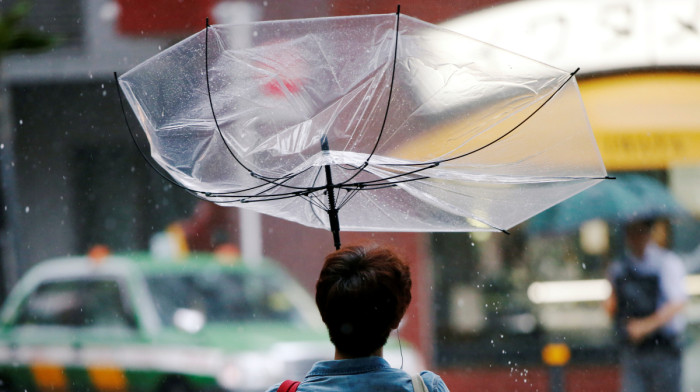
Okinawa lost transport links and suffered widespread power outages on Monday (1 June) as Severe Tropical Storm Jangmi brought destructive winds and heavy rain to Japan's south-western islands.
Competing narratives continue to shape perceptions of the war in Ukraine, with Russian leadership suggesting a possible end phase while Ukrainian officials warn of renewed large-scale attacks and ongoing escalation risks.
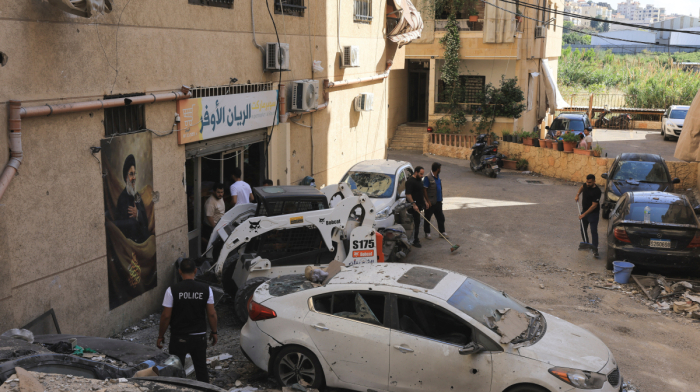
U.S. Secretary of State Marco Rubio has held talks with Lebanese President and Israeli Prime Minister on efforts to ease tensions between Israel and Lebanon. According to a U.S. official, Washington has proposed a plan aimed at achieving a gradual de-escalation of hostilities.
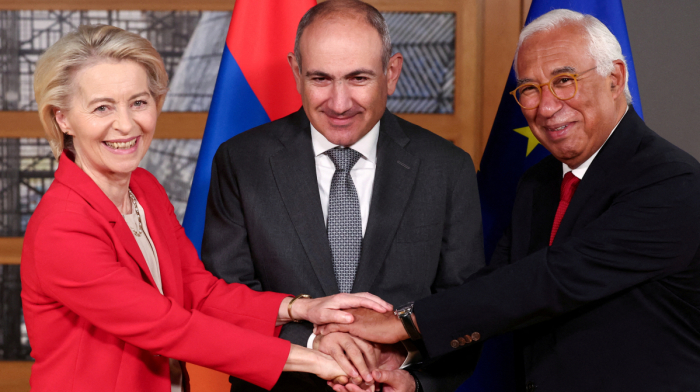
When Armenians vote on 7 June, they will be voting in an election shaped by months of political change and a rapidly deepening relationship with the European Union. The result may not only determine who governs Armenia but also the future direction of the country's geopolitical alignment.
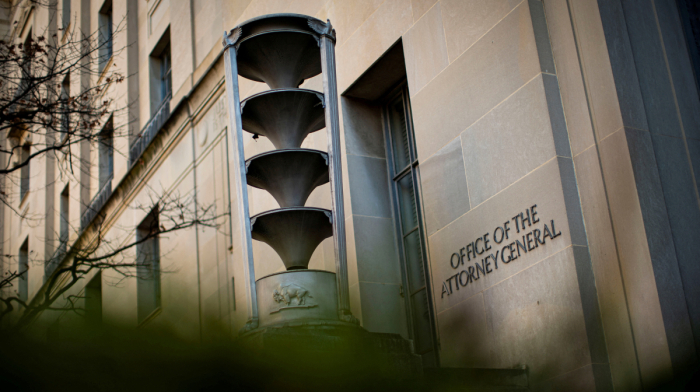
Unsealed records from the U.S. Department of Justice have renewed scrutiny of lawyer Robert Amsterdam after documents revealed communications between his law firm and Jeffrey Epstein's office. The disclosures have drawn attention because of Amsterdam's prominent role in Armenia.
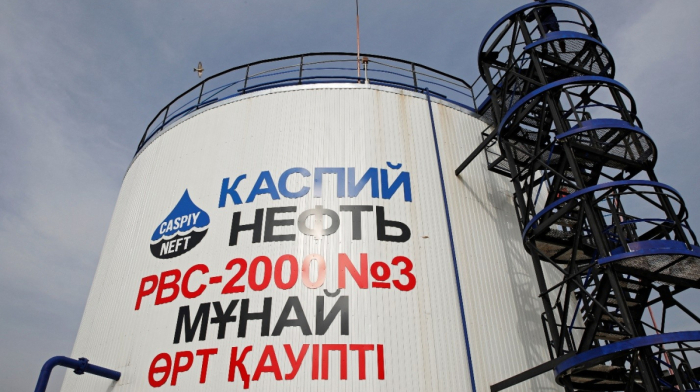
Kazakhstan has restored oil production after an accident at the Tengiz oil field briefly disrupted output last week, while also signalling its readiness to increase crude shipments through the Baku–Tbilisi–Ceyhan (BTC) pipeline.
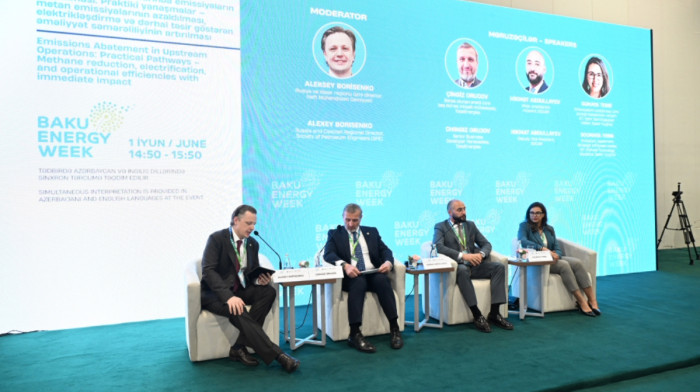
Baku has once again become a focal point for international energy diplomacy, investment and strategic cooperation, as Baku Energy Week brings together policymakers, industry leaders and investors from around the world.
A launch ceremony marking the commissioning of the modernised Baku-Tbilisi-Kars (BTK) railway line was held at Akhalkalaki station in Georgia on 2 June, bringing together senior officials from Azerbaijan, Georgia and Türkiye.
Baku Energy Week has opened in Azerbaijan, bringing together global energy leaders to discuss energy security, green energy and regional cooperation, underscoring the country's growing strategic role in Eurasian connectivity.
When Armenians vote on 7 June, they will be voting in an election shaped by months of political change and a rapidly deepening relationship with the European Union. The result may not only determine who governs Armenia but also the future direction of the country's geopolitical alignment.
You can download the AnewZ application from Play Store and the App Store.
What is your opinion on this topic?
Leave the first comment