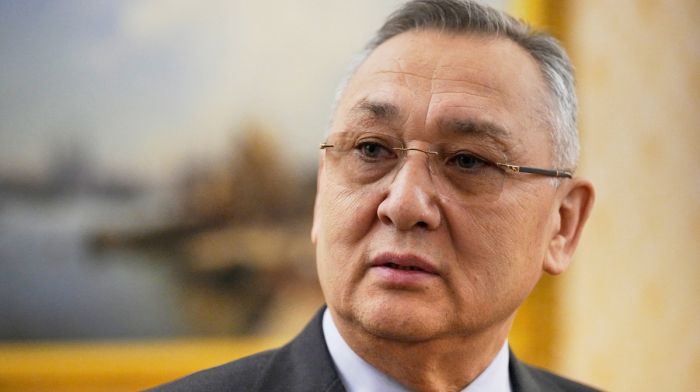
Detained Gaza doctor appears in public for first time in over 500 days
A prominent Palestinian doctor detained by Israel for more than 500 days appeared by video link before Israel's Supreme Court on Wednesday (11 June), ...
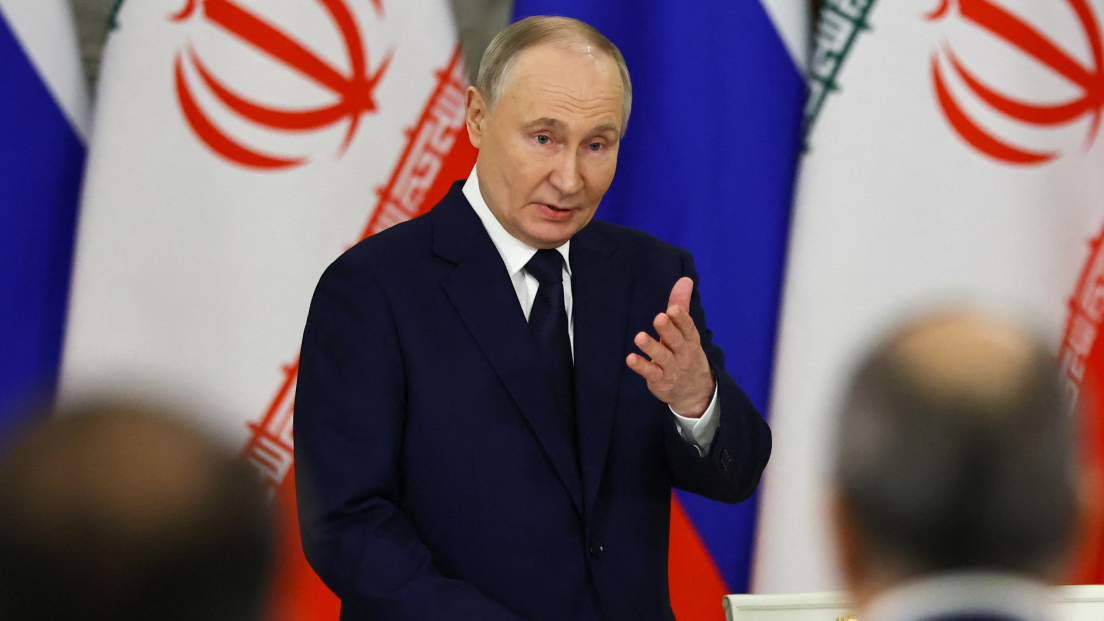
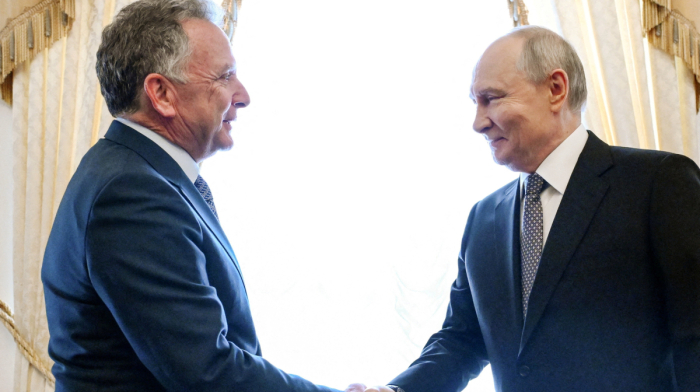
Russian President Vladimir Putin held separate calls with Israeli Prime Minister Benjamin Netanyahu and Iranian President Masoud Pezeshkian on 16 January, offering Russia’s help to mediate tensions and promote dialogue in the Middle East.
In his conversation with Netanyahu, Putin outlined proposals for active political and diplomatic steps to ensure regional stability and security, according to the official website of the Kremlin.
During the call with Pezeshkian, the Iranian president informed Putin about Tehran’s active efforts to normalise the domestic situation. Both sides emphasised their shared position in favour of rapid de-escalation in Iran and the wider region through exclusively political and diplomatic means.
The leaders confirmed a mutual commitment to strengthen the Russian-Iranian strategic partnership and implement joint economic projects across various sectors.
The discussions took place amid nationwide protests in Iran and global concern over the government’s crackdown.
Analysts note that any threat to the survival of Iran’s leadership would be a matter of serious concern for Moscow, especially in light of Russia’s diplomatic and strategic ties with Tehran.
Russia has publicly voiced support for Iran’s stability and emphasised its interest in resolving tensions through diplomacy amid widespread protests in the country.
Ties between Russia and Iran have been evolving in recent years, including the signing a 20‑year strategic partnership agreement in 2025 covering economic, political, and security cooperation.
Asked what support Russia could provide to Iran, Kremlin spokesperson Dmitry Peskov said, “Russia is already providing assistance not only to Iran but also to the entire region, and to the cause of regional stability and peace."
"This is partly thanks to the president’s efforts to help de‑escalate tensions,” he added.
Moscow has also underscored its backing for Iran’s right to peaceful nuclear energy while calling for political solutions to regional challenges.

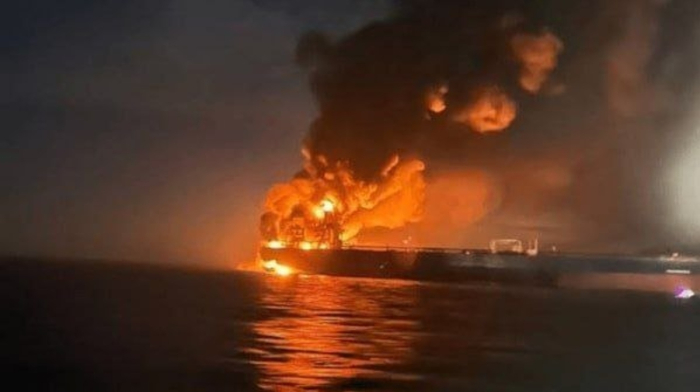
Azerbaijan's Foreign Ministry says 19 citizens have been repatriated following a deadly drone attack on two cargo ships in the Sea of Azov on 5 June.
A Sudanese man has been arrested over a knife attack in Belfast that left a man seriously injured and prompted calls online for a protest after footage of the incident circulated widely on social media.
Iran and Israel said on Monday (8 June) they had halted attacks on each other following an appeal from U.S. President Donald Trump, as Axios reported that Trump had privately told Benjamin Netanyahu “be careful, or you will be on your own very soon”.
Ukraine's military said it struck a Russian "shadow fleet" tanker in the Black Sea as part of ongoing efforts to disrupt Moscow's energy and logistics networks. The move underscores Kyiv's focus on targeting maritime assets it says are used to bypass sanctions on Russian oil exports.
The Pakistani city of Karachi is struggling under severe heat and humidity as the country enters a prolonged heatwave period. The Pakistan Meteorological Department (PMD) has warned of above-normal temperatures across much of the country between 7 and 12 June.
A prominent Palestinian doctor detained by Israel for more than 500 days appeared by video link before Israel's Supreme Court on Wednesday (11 June), marking the first time he has been seen publicly since February, according to rights groups.
All personnel on board a Pakistani military helicopter were killed when the aircraft crashed near Muzaffarabad in Pakistan-administered Kashmir on Wednesday (10 January), according to the country's military.
The United States launched overnight strikes on military targets across Iran, as President Donald Trump warns of further attacks unless a peace deal is reached. Iran responded by targeting U.S. bases in the Gulf and announced the closure of the Strait of Hormuz.
Türkiye and Syria plan to increase annual bilateral trade to $5 billion within the next two years, officials from both countries said on Tuesday, as they seek to deepen economic ties and support Syria's recovery.
Uzbekistan plans to create a National Geological Data Bank and expand the use of artificial intelligence (AI) across the mining sector as part of efforts to attract $30 billion in investment by 2030.
You can download the AnewZ application from Play Store and the App Store.
What is your opinion on this topic?
Leave the first comment