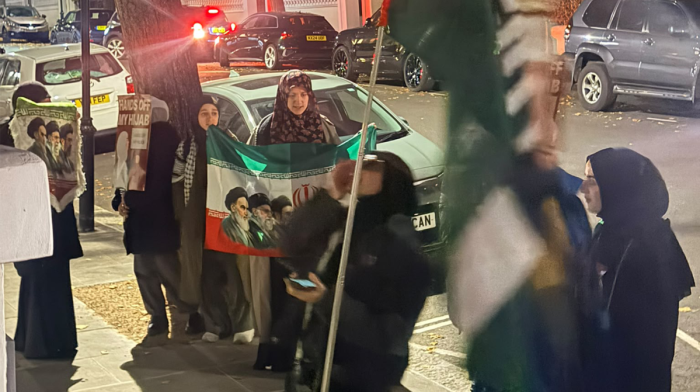
Protest outside Azerbaijani Embassy in London features Iranian flags and hijab placards
Demonstrators carrying Iranian flags and placards supporting the hijab gathered outside the Azerbaijani Embassy...
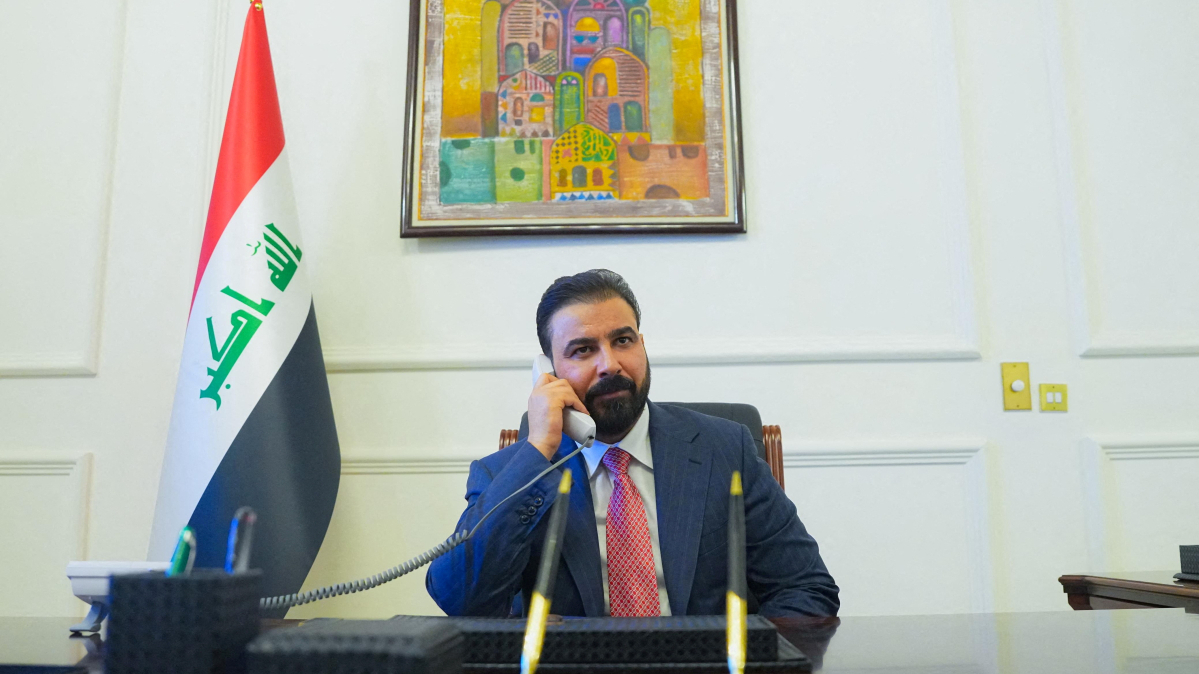
Turkish President Recep Tayyip Erdoğan has urged Iraq’s prime minister-designate to form a government which reflects the country’s religious and ethnic diversity.
In a weekend phone call, Erdoğan congratulated Ali al-Zaidi on his appointment, expressing hope he would swiftly form an “inclusive, balanced, and stable” administration.
Last week, a coalition of Iraqi Shia political blocs nominated al-Zaidi to replace outgoing Prime Minister Mohamed Shia' al-Sudani.
Under Iraq’s constitution, al-Zaidi has 30 days from his appointment to assemble a cabinet and present it to parliament for approval.
During the call, Erdoğan also stressed that Iraq’s sizeable Türkmen community represents a key component of the two countries’ fraternal relations.
Iraqi Türkmen, who are ethnically Turkic and speak a dialect of Turkish, are concentrated largely in the country’s north.
Although no official census exists, Türkmen are generally believed to make up between 7% and 13% of Iraq’s population, making them the country’s third-largest ethnic group.
Al-Zaidi, a relative newcomer to Iraqi politics, is a successful businessman who holds degrees in law, finance and banking.
Speaking shortly after his appointment, he pledged to form a government “that responds to citizens’ demands for security, stability, and comprehensive development.”
Last month, Türkiye welcomed the election of Mehmet Seman Ağaoğlu, a prominent local Türkmen politician, as governor of Iraq’s oil-rich northern Kirkuk province.
In a statement, the Turkish Foreign Ministry described Ağaoğlu’s election - he also heads the Iraqi Türkmen Front - as a “historic development in terms of inclusivity and fair representation”.
It added that his appointment was a “long-overdue acknowledgement of a legitimate right for our Türkmen kinsmen, who are an integral component of Iraq and Kirkuk.”
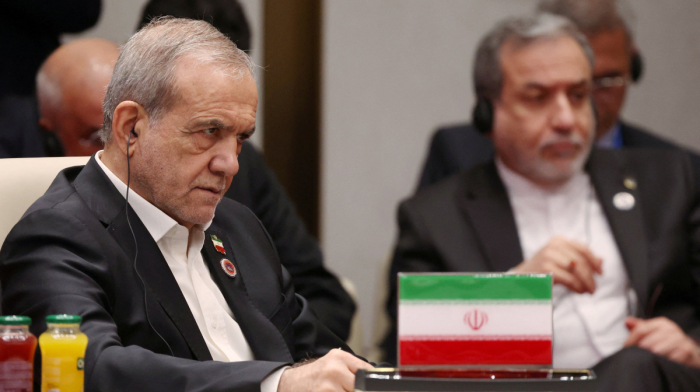
The Middle East conflict remains tense as diplomatic efforts continue alongside renewed Houthi attacks. Iran says it remains open to mediation, while the Saudi-led coalition says it intercepted a ballistic missile fired towards the kingdom.
Rescuers searched the wreckage of two high-speed trains in central Spain on Thursday as the death toll rose to a provisional 74, making it the country's second fatal high-speed rail disaster this year.
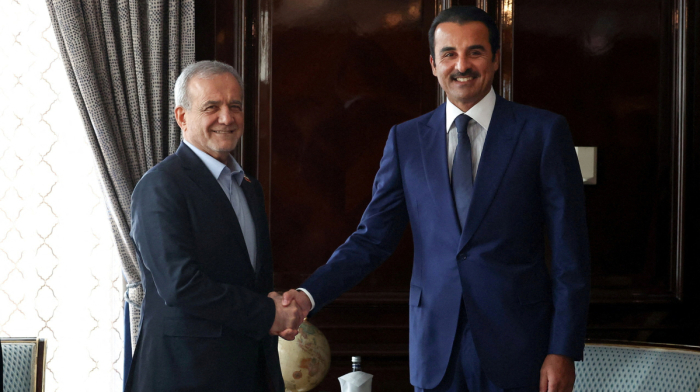
Qatari mediators returned to Tehran on Friday as part of efforts to reach a deal between the U.S. and Iran, according to an official briefed on the talks.
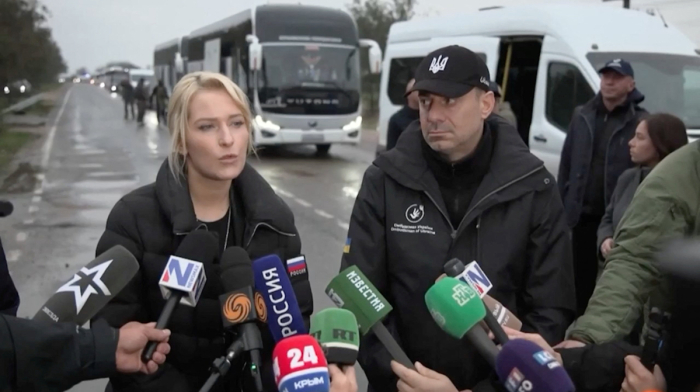
Evacuations and the provision of humanitarian aid in the Russian-occupied southern Ukrainian town of Oleshky have begun, a senior Ukrainian official said on Friday. In a statement on Telegram, David Arakhamia said a six-day ceasefire was holding, and that more details would follow.
UN human rights experts comprising a group including Special Rapporteurs and independent experts who are part of the UN Human Rights Council, have criticised French authorities over their handling of nationwide student protests.
Demonstrators carrying Iranian flags and placards supporting the hijab gathered outside the Azerbaijani Embassy in London.
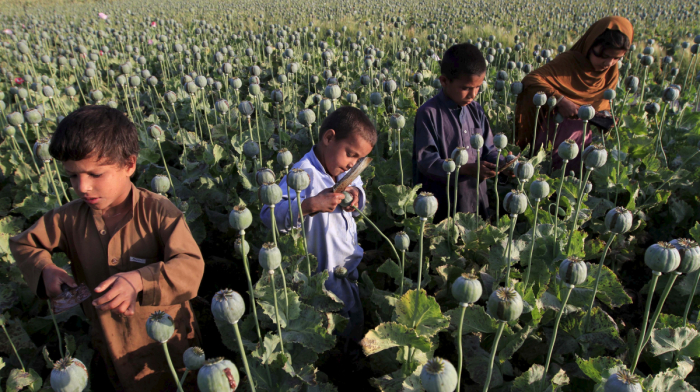
Opium poppy cultivation in Afghanistan surged by 330 per cent in 2026 despite a four-year ban, the United Nations said on Thursday. Afghan authorities disputed the findings, while Japan urged continued support for farmers seeking alternative livelihoods.
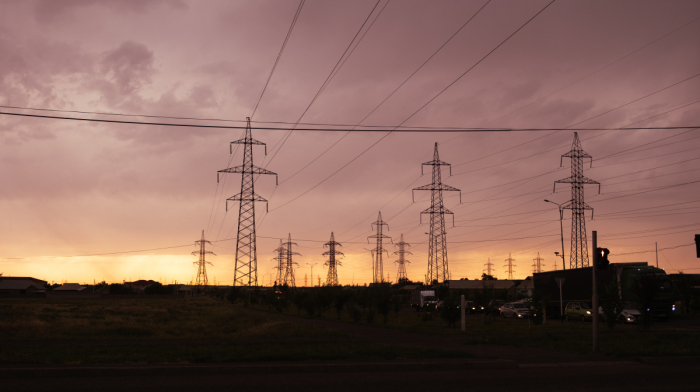
Central Asia could gain up to $640 million a year from closer energy cooperation, but strained electricity grids threaten to limit those gains, with Kazakhstan particularly exposed to regional power shortages and growing pressure on its network.
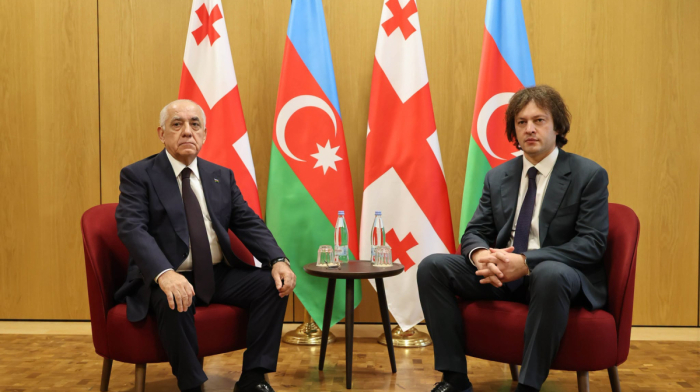
Georgia and Azerbaijan are stepping up efforts to boost trade, strengthen transport links between Asia and Europe and resolve a longstanding border dispute, as both countries seek to deepen their strategic partnership.
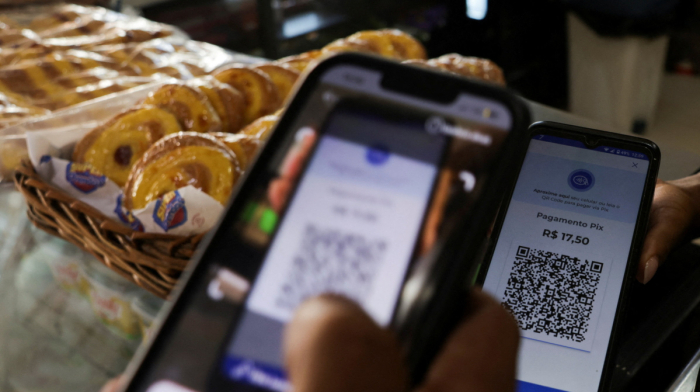
People travelling between Uzbekistan, Kazakhstan, Kyrgyzstan, Tajikistan and Azerbaijan could soon be able to pay for purchases using their usual banking apps. Central banks from the five countries are working on linking their national payment systems.
You can download the AnewZ application from Play Store and the App Store.
What is your opinion on this topic?
Leave the first comment