Uzbekistan plans to establish production facilities in Qatar as part of a strategy to expand exports and strengthen its presence in Gulf markets.
The initiative aims to help Uzbek companies move beyond one-off exports and establish long-term market positions in the Gulf Cooperation Council (GCC), a region with a combined population of around 60 million and high import demand.
Qatar offers attractive conditions for foreign manufacturers, including free economic zones with tax incentives and subsidies covering 20–30% of electricity, water and utility costs.
Officials say locating production in these zones would allow Uzbek companies to access Gulf markets with minimal customs barriers and faster logistics.
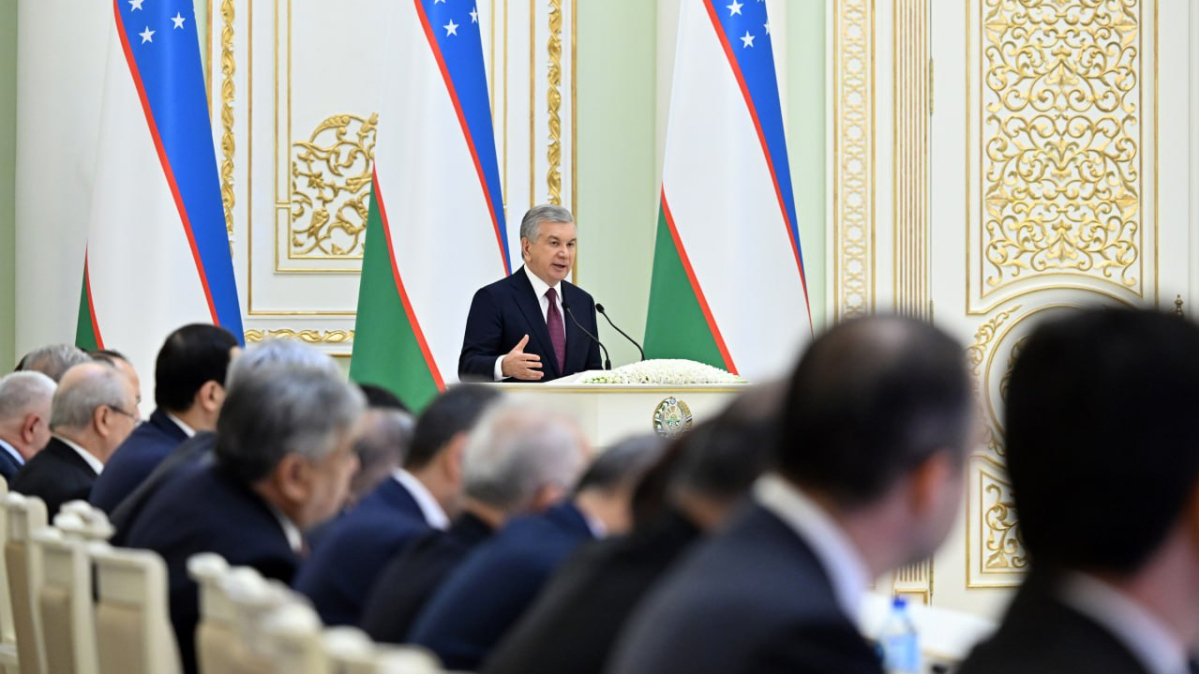
Diplomatic missions have been instructed to work directly with businesses to identify projects suitable for relocation or joint production and to assist with regulatory, legal and logistical procedures.
The production initiative forms part of a wider push to strengthen economic diplomacy. In 2025, Uzbekistan signed investment agreements and trade contracts worth $160 billion during bilateral and multilateral engagements.
Foreign direct investment exceeded $43 billion, reflecting growing international interest in the country’s economy.
Officials say embedding Uzbek enterprises in Gulf supply chains would not only boost exports but also attract new investment and technology, while creating stable demand for domestically produced raw materials and intermediate goods.
Uzbekistan’s trade turnover with Gulf countries exceeded $10 billion in 2025, while exports to the region continued to grow, driven mainly by textiles, construction materials, food products and chemical goods.
The government believes localising production in Qatar could significantly increase these volumes over the medium term.
Authorities stress that the focus is on long-term cooperation rather than short-term trade gains.
By producing goods closer to end markets, Uzbek companies are expected to improve competitiveness, reduce transport costs and meet regional standards more efficiently.
The approach reflects a shift toward deeper economic cooperation, with diplomatic missions and export-promotion mechanisms supporting companies at every stage.
The project is expected to support export growth, attract investment and strengthen Uzbekistan’s integration into regional supply chains.













What is your opinion on this topic?
Leave the first comment