UK MPs reject social media ban for under-16s despite pressure
British MPs have rejected a proposal to introduce an Australia-style ban on social media for under-16s, opting ins...
Uzbekistan is positioning itself to export goods worth up to $650 million to Iraq and Syria in 2026, while strengthening transport corridors through the Caucasus region, including enhanced ties with Azerbaijan and wider transit opportunities.
Business opportunities in Iraq and Syria are expanding, with Uzbekistan’s exported goods, especially electrical equipment and construction materials, expected to reach $500 million in Iraq and $100–150 million in Syria next year. Iraq alone imports around $93 billion worth of goods annually, making it a significant destination for expanded Uzbek shipments.
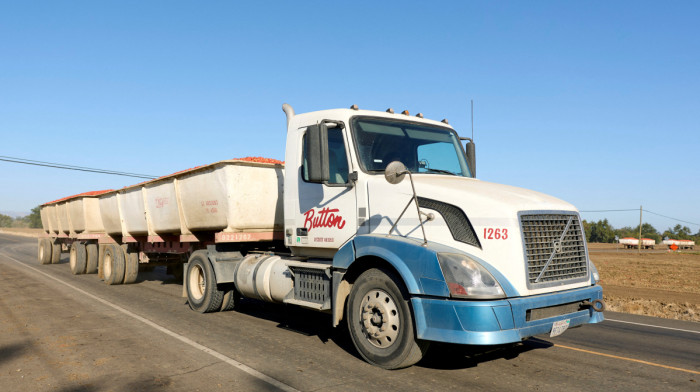
Routes through Erbil in northern Iraq serve as strategic logistics hubs that facilitate distribution not only across Iraq but also into neighbouring Syria and beyond to the Middle East. Truck deliveries to Baghdad take roughly 10 working days and cost about $3,300, while routes to Damascus are approximately 20 days at about $4,500.
Uzbekistan is also developing transport connections that link Central Asia with the South Caucasus and Middle East, including corridors involving Azerbaijan. Trade between Uzbekistan and Azerbaijan has been growing strongly, with mutual turnover exceeding $472 million in January–October 2025, about 2.4 times higher than 2024.
In late December, Uzbek and regional business delegations agreed on cooperation measures, including simplified customs procedures and participation in a trade exhibition in Baghdad in February. A Uzbekistan–Erbil business council was also established to coordinate trade and investment between the two regions.
Visits from Iraqi and Syrian business representatives to Uzbekistan are expected in early 2026, along with a proposed business forum to deepen commercial ties and facilitate B2B meetings.
Officials say that by combining export strategies with stronger transport networks through the Caucasus and improved diplomatic and logistic cooperation, Uzbekistan hopes to unlock new markets and significantly expand its presence across the Middle East and beyond.

Mojtaba Khamenei, son of the late Ayatollah Ali Khamenei, is a hardline cleric with strong backing from the Islamic Revolutionary Guard Corps. His rise signals continuity in Tehran's anti-Western policies.
Global oil prices surpassed $119 a barrel on Monday (9 March, 2026), an almost four year high, as the Middle East conflict rumbled on.
China has urged Afghanistan and Pakistan to resolve their dispute through dialogue after Chinese envoy Yue Xiaoyong met Afghan Foreign Minister Amir Khan Muttaqi, as fighting between the two neighbours entered its eleventh day.
Iran named Mojtaba Khamenei to succeed his father Ali Khamenei as supreme leader on Monday (9 March), signaling that hardliners remain firmly in charge, as the week-old U.S.-Israeli war with Iran pushed oil above $100 a barrel.
Entry and exit across the state border between Azerbaijan and Iran for all types of cargo vehicles, including those in transit, will resume on 9 March, according to a statement by the Cabinet of Ministers of Azerbaijan.
British MPs have rejected a proposal to introduce an Australia-style ban on social media for under-16s, opting instead to give ministers flexible powers to impose restrictions on platforms.
Australia has granted humanitarian visas to five Iranian women footballers who sought asylum, fearing persecution after refusing to sing their national anthem at an Asia Cup match.
Start your day informed with AnewZ Morning Brief. Here are the top news stories for the 10th of March, covering the latest developments you need to know.
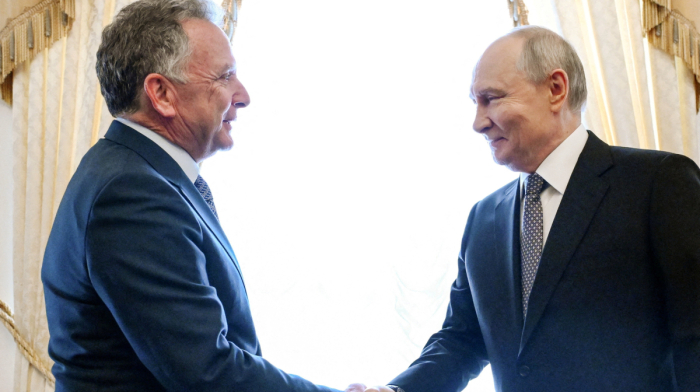
U.S. President Donald Trump called his recent phone conversation with Russian President Vladimir Putin “very good.” The two leaders spoke on Monday about the situation in Iran and other international issues.
Welcome to our live coverage as the conflict involving Iran enters its 11th day. Tensions in the region remain high as the United States and Iran exchange increasingly sharp warnings over the strategic Strait of Hormuz, a critical artery for global oil supplies.
You can download the AnewZ application from Play Store and the App Store.
What is your opinion on this topic?
Leave the first comment